Stellantis opened the doors of its Auburn Hills headquarters in Michigan to highlight the work of the designers who helped shape the visual identity of the SRT brand over the years, turning the occasion into a showcase for the annual Drive for Design competition aimed at young American students interested in automotive design.
Stellantis is using SRT icons to spark the next wave of design talent
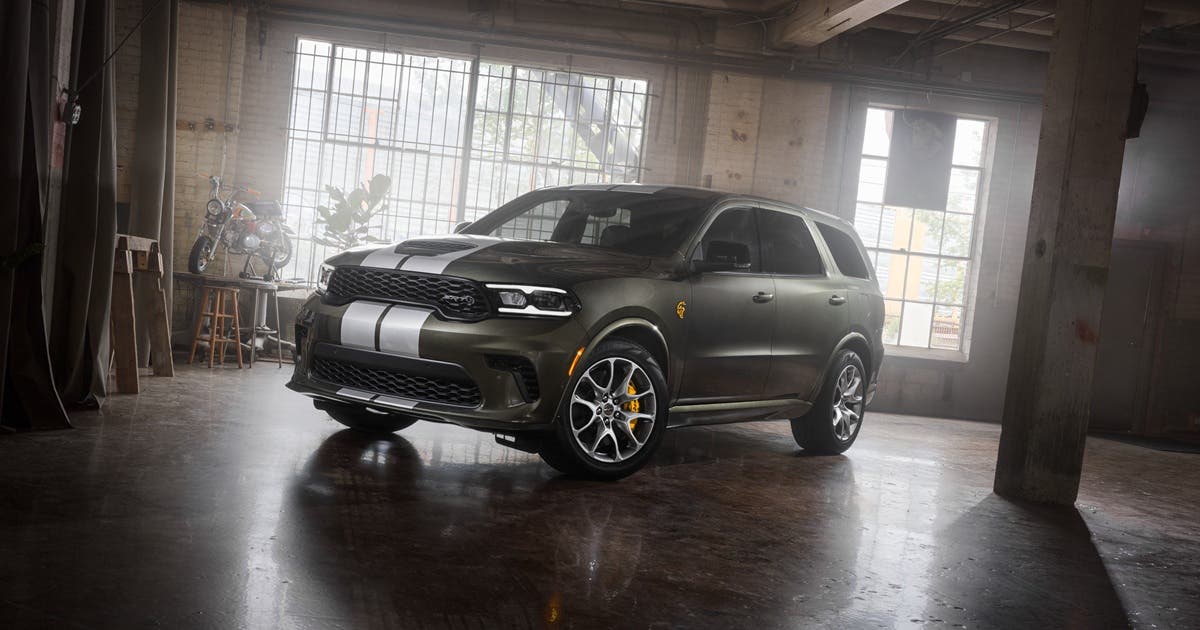
The focus of the initiative goes beyond the models that defined the history of Street & Racing Technology. Stellantis is also putting the spotlight on the people who designed those vehicles and brought them into production. Among the key figures is Mark Trostle, now vice president of design for Ram and Mopar, who once won a design contest himself as a student before building a career that led him to head one of the group’s most important design teams. Alongside him are Ren Stone, who worked on models such as the Charger SRT Hellcat and the fifth-generation Viper, Jeff Gale, who leads advanced interior design, Tome Jovanoski, who helped shape Dodge’s modern image through vehicles such as the Viper, Charger, Challenger, and Durango, and Deyan Ninov, who works in SRT design and also contributed to the development of the first Ram 1500 TRX.
Their comments reveal a design philosophy that ties styling directly to engineering function. A hood intake must improve engine cooling before it can justify an aggressive look. In the same way, a widened fender must answer a real need for grip and stance before it becomes a styling element. Over time, the SRT team built its visual language on that balance between utility and impact, following the rule that every design feature must also justify itself from an engineering standpoint.
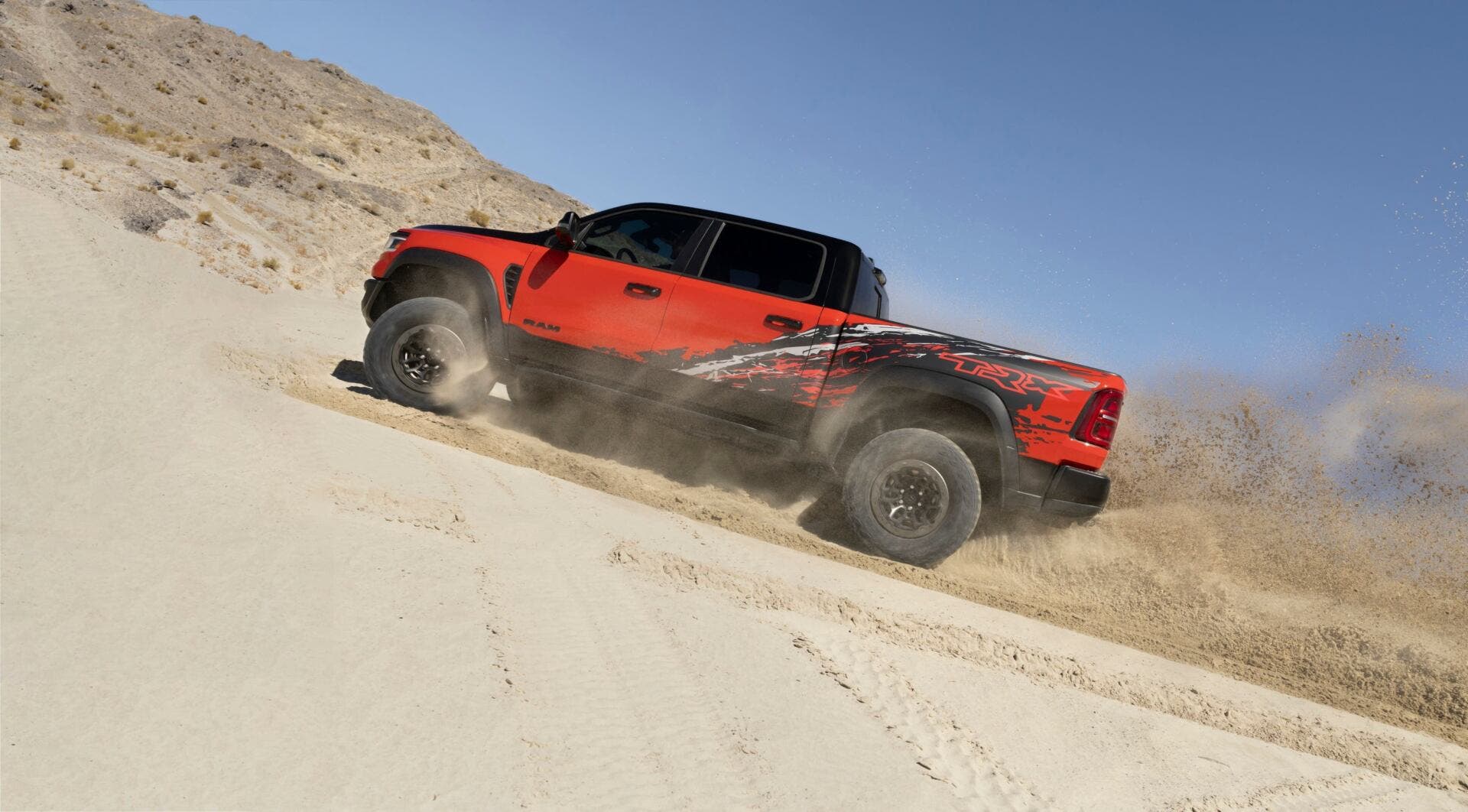
The designers also describe the various SRT models as members of one family with a shared DNA, where proportions, surfaces, and details influence one another from one generation to the next. The nose of the Viper, for example, left visible traces in the design language of the Charger, while the more muscular attitude of the Challenger also shaped the visual approach used for the group’s trucks and SUVs, creating a formal continuity that runs across very different vehicle types.
That same context gives meaning to the Drive for Design competition, which is open to U.S. high school students and, in a junior version, to younger participants as well. Stellantis asks them to submit original sketches of their idea of a future high-performance vehicle and presents the program as a possible entry point into the world of professional automotive design, much like the path Trostle himself once followed.