Stellantis continues to invest heavily in the development of automated driving, as recently demonstrated in Belgium. There, the group showcased the most significant progress of its latest-generation technologies to the public. The occasion was a major event dedicated to the mobility of the future, held in Brussels. During the event, Stellantis offered concrete insight into how its driver-assistance and autonomous-driving systems are evolving.
Stellantis showcases new autonomous driving technologies in Belgium
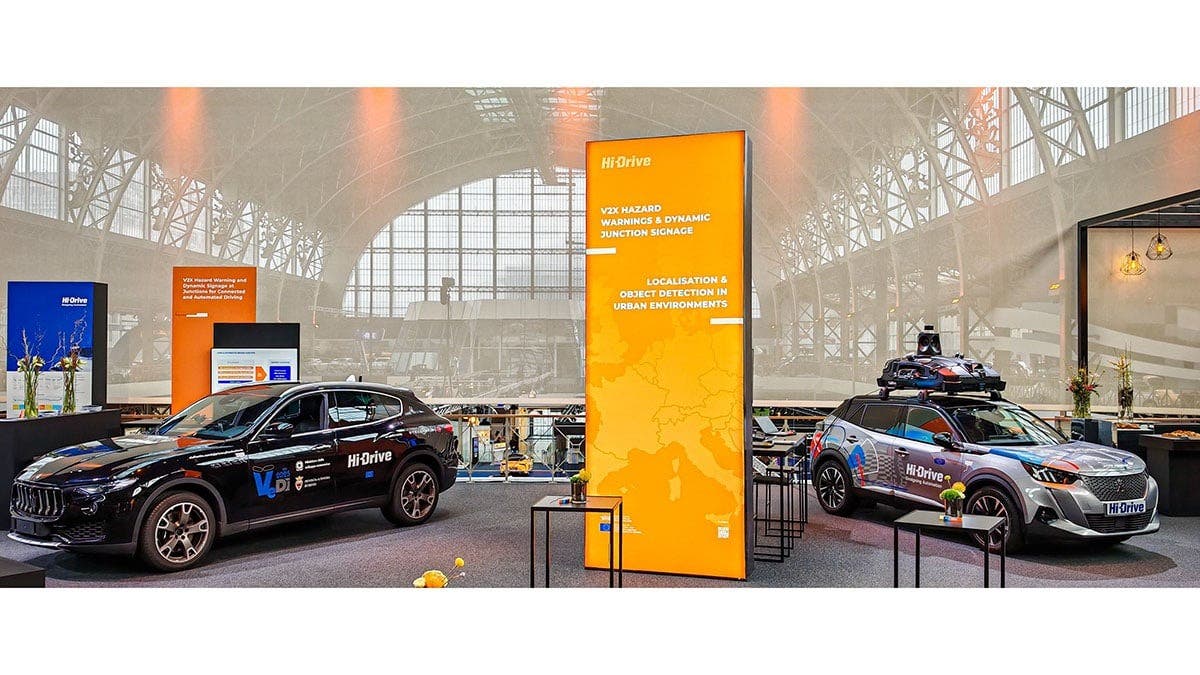
The Hi-Drive project stands out as one of Europe’s most ambitious initiatives in the field of advanced vehicle automation. Its goal is to steadily raise the level of automated driving while ensuring safety and reliability, even in complex environments such as high-traffic urban areas. As part of this program, Stellantis presented two vehicles from its brands, one Peugeot and one Maserati. Both have been transformed into rolling laboratories to test future technologies in real-world conditions.
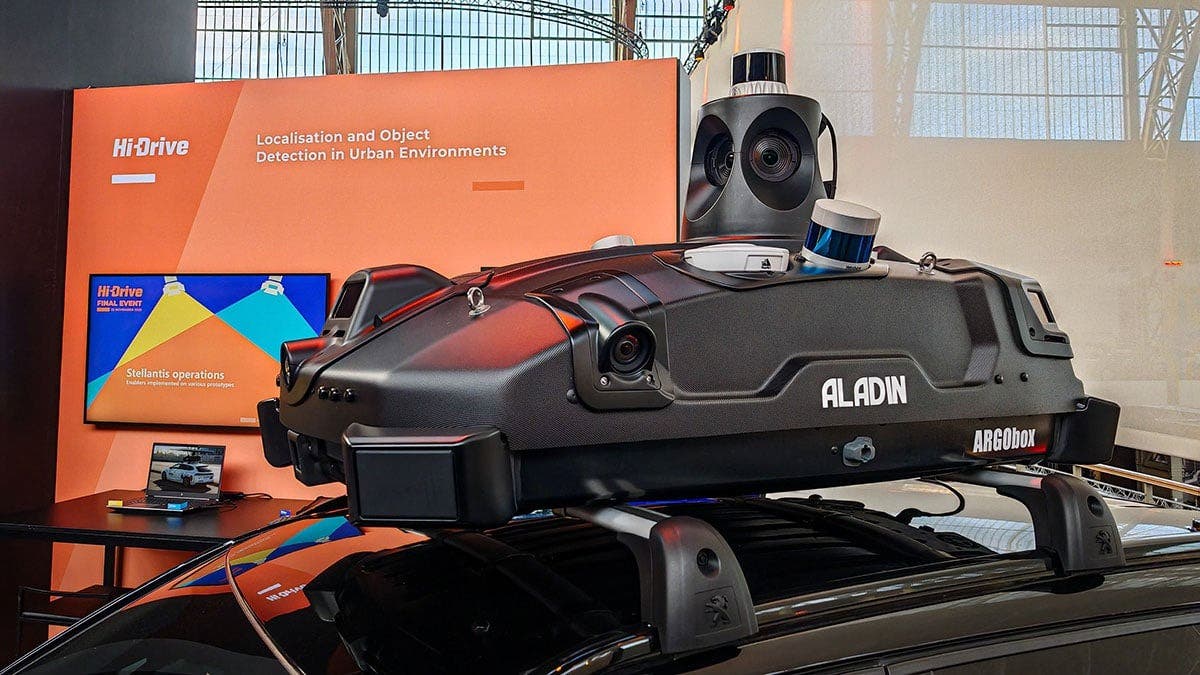
One of the main highlights was a Peugeot e-2008 fitted with an extremely sophisticated sensor system. The vehicle features multiple LiDAR units, cameras, and radar sensors that provide a full 360-degree view of the surrounding environment. In addition, V2X communications, both short-range and cellular-based, allow the car to interact with other vehicles and with road infrastructure. Thanks to this setup, the electric SUV can collect a massive amount of data, which is essential for validating automated driving functions in dense and chaotic urban traffic.
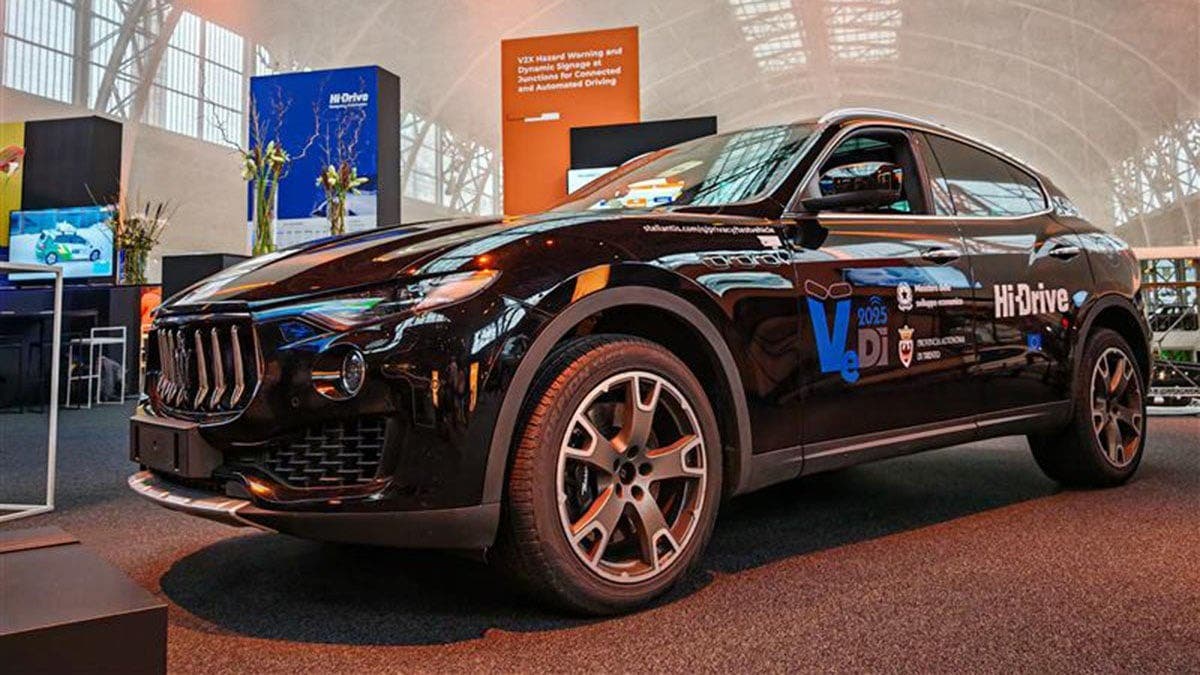
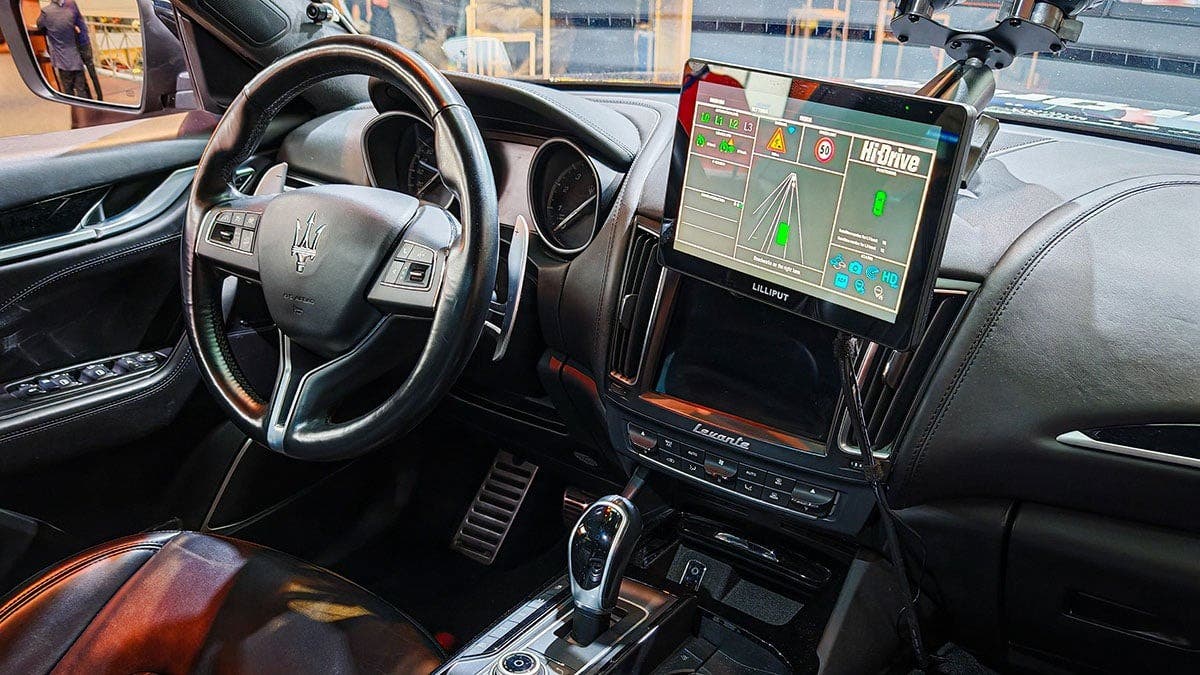
Alongside the Peugeot model, Stellantis also showcased a specially equipped Maserati Levante designed to demonstrate the potential of advanced communication systems and high-definition mapping. This vehicle can receive and transmit real-time information about hazards along the route. It can also dynamically recognize road signs. Technologies of this kind significantly improve safety and the quality of information available to the driver. At the same time, the group is also testing the use of short-range networks and 5G for the continuous exchange of traffic data with other vehicles and digital infrastructure.
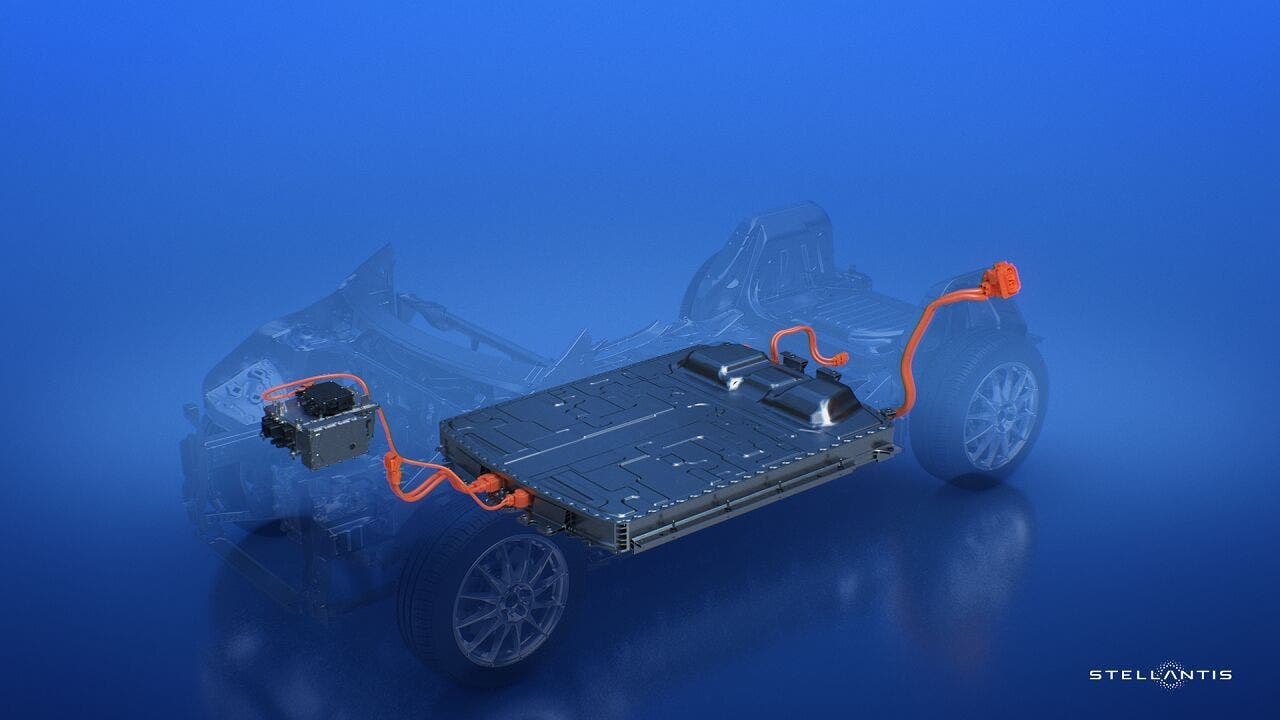
However, Stellantis is looking even further ahead. The company is working on the development of fully autonomous Level 4 vehicles, capable of operating without a driver. These vehicles are primarily aimed at global robotaxi services. For these projects, Stellantis is working with leading partners such as Nvidia, Uber, Foxconn, and Pony.ai. The solutions under development will rely on Stellantis’ AV-ready platforms, which are designed to be modular and adaptable to different uses.
Through these research and testing programs, Stellantis confirms its ambition to be among the key players in the autonomous mobility revolution. The long-term goal is to make roads safer and driver-assistance systems increasingly advanced.