Remember when Carvana was the tech-bubble punchline of the automotive world? The textbook case on how to incinerate investor cash in record time? Well, check your stock portfolios, because the vending-machine giant is currently worth more than any of Detroit’s Big Three. And the ultimate nemesis of the traditional dealership has decided to do the unthinkable: open physical stores.
Over the last twelve months, the online used car disruptor has quietly scooped up seven brick-and-mortar storefronts. The catch? They are all Stellantis franchises. This stealth mission started at a Chrysler Dodge Jeep Ram (CDJR) location in Casa Grande, Arizona, and has stretched all the way to Avon Lake near Cleveland. Each location already boasts its own shiny, Carvana-branded homepage. CNBC reports that details will likely emerge at an upcoming media event, but frankly, Carvana doesn’t need a spokesperson when the sales charts are doing the screaming.
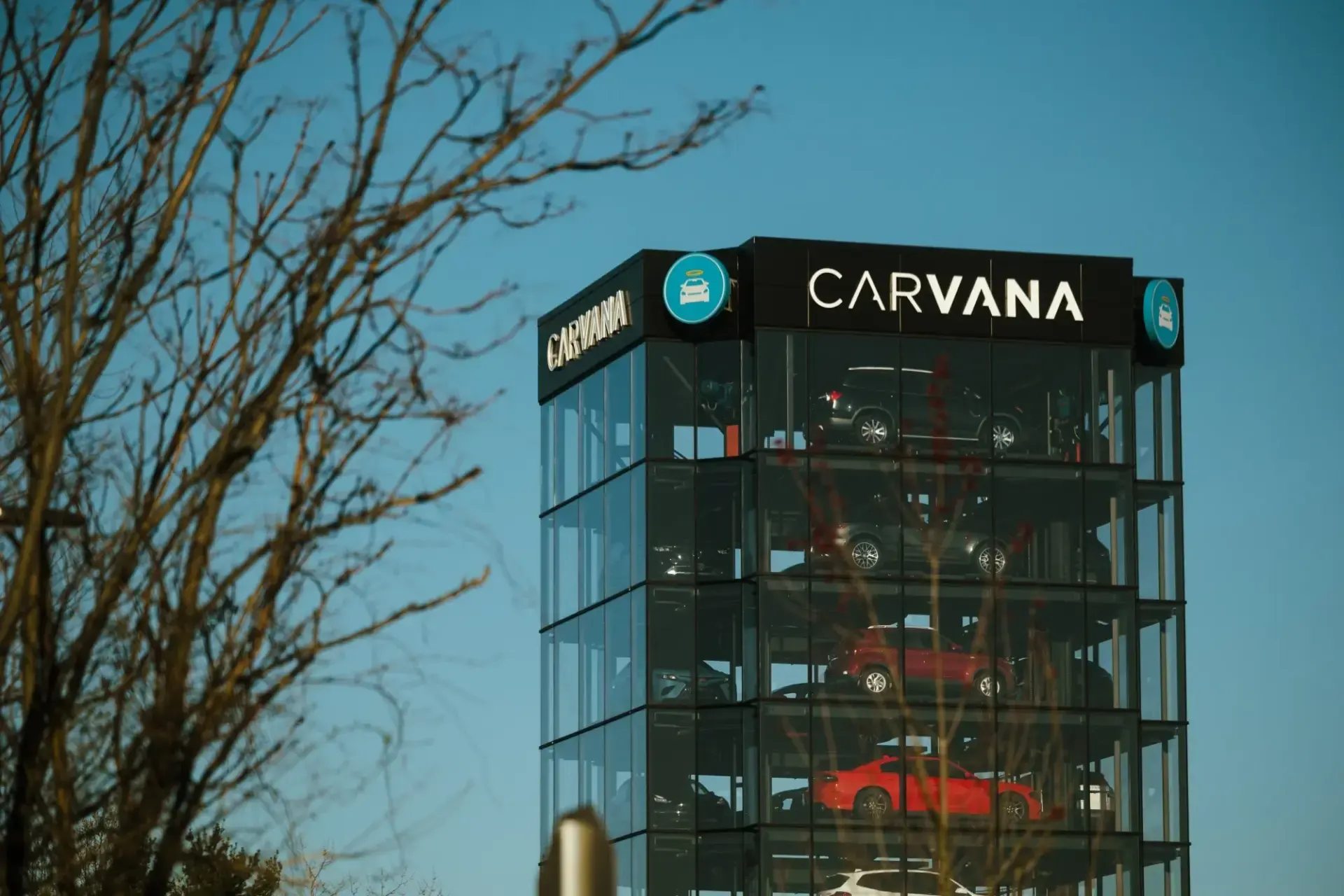
Take that Casa Grande store. Before Carvana took the wheel, they were moving a sleepy 30 to 50 vehicles a month. Last month? They pushed over 700 new Stellantis vehicles out the door, making them the number one Stellantis dealership in the entire country by volume. It’s a complete mutation of the automotive retail species.
The magic sauce remains largely digital: you buy online, get the car delivered, and drive. You avoid the desperate salesman tracking your every move across a sun-baked lot and the eternal, soul-crushing ritual of backroom financing haggling. However, because these are physical locations, buyers still get the security blanket of certified post-sale service and in-person test drives. It is a hybrid ecosystem that works better than pure e-commerce or a dusty old showroom on their own.
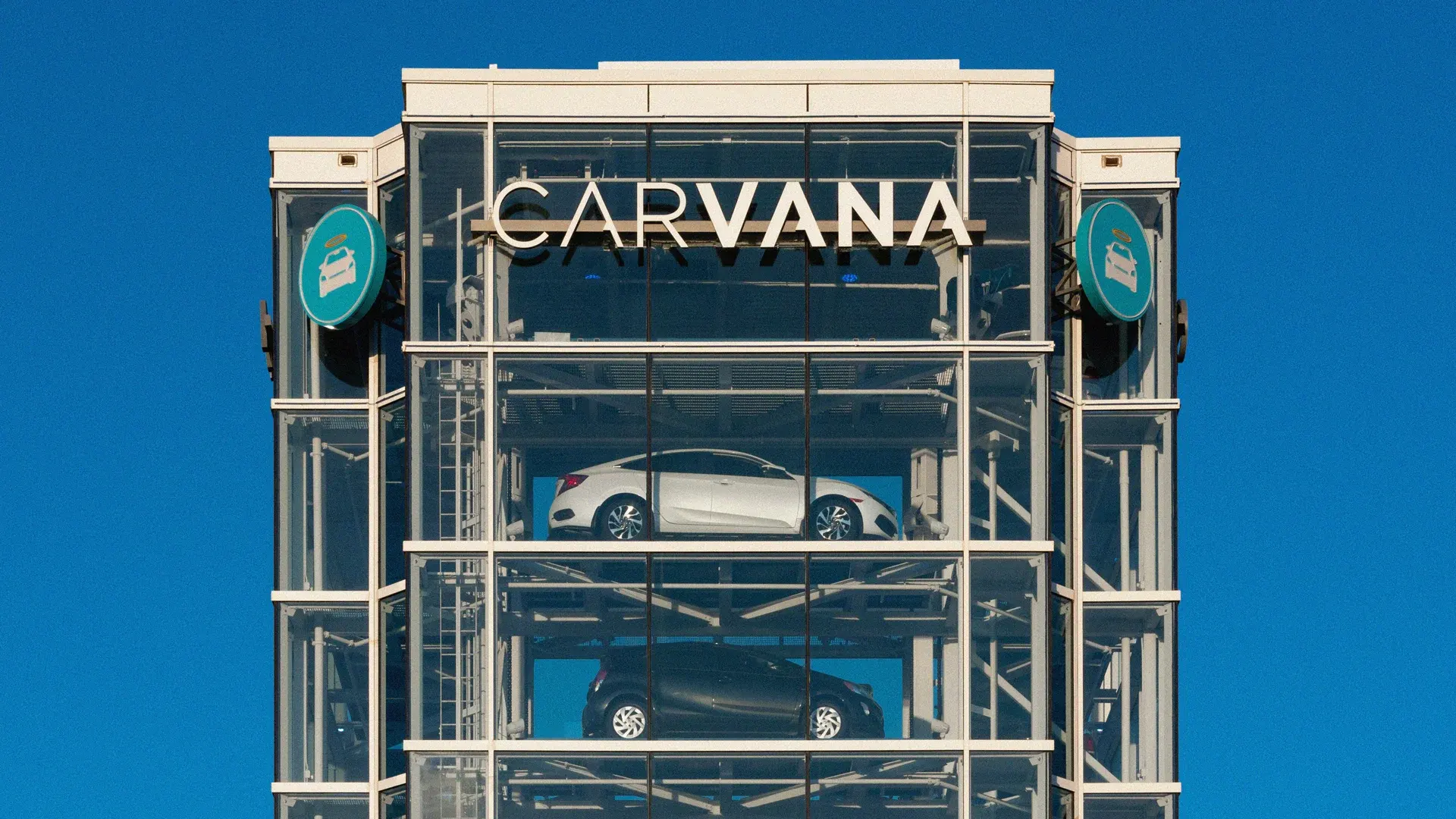
Why Stellantis? A Stephens Inc. analyst notes it comes down to convenience and cheap real estate, these points of sale were available and featured lower acquisition costs. It is likely a strategic beachhead before Carvana swallows other networks whole.
Even Sean Hogan, president of the National Dealer Council, admitted that if Carvana does the job better, traditional dealers must adapt or face irrelevance. It’s a refreshing bit of candor, but for many traditional showrooms, the digital asteroid has already hit.