Stellantis is reportedly considering extending its industrial alliance with China to South America as well, with Dongfeng emerging as a possible partner to accelerate the electric transition in the Brazilian market. The hypothesis emerged from comments made by Herlander Zola, president of the region, during conversations with the press on the sidelines of Anfavea Visions 2026. The manager did not rule out industrial effects from the global cooperation between the group and the Chinese carmaker, including possible local production of models derived from the partnership.
Stellantis and Dongfeng could make Brazil a new hub for Chinese EV technology
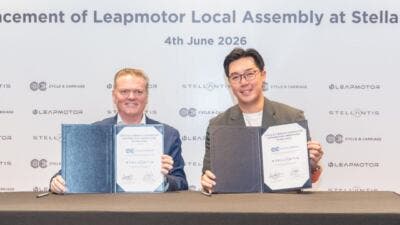
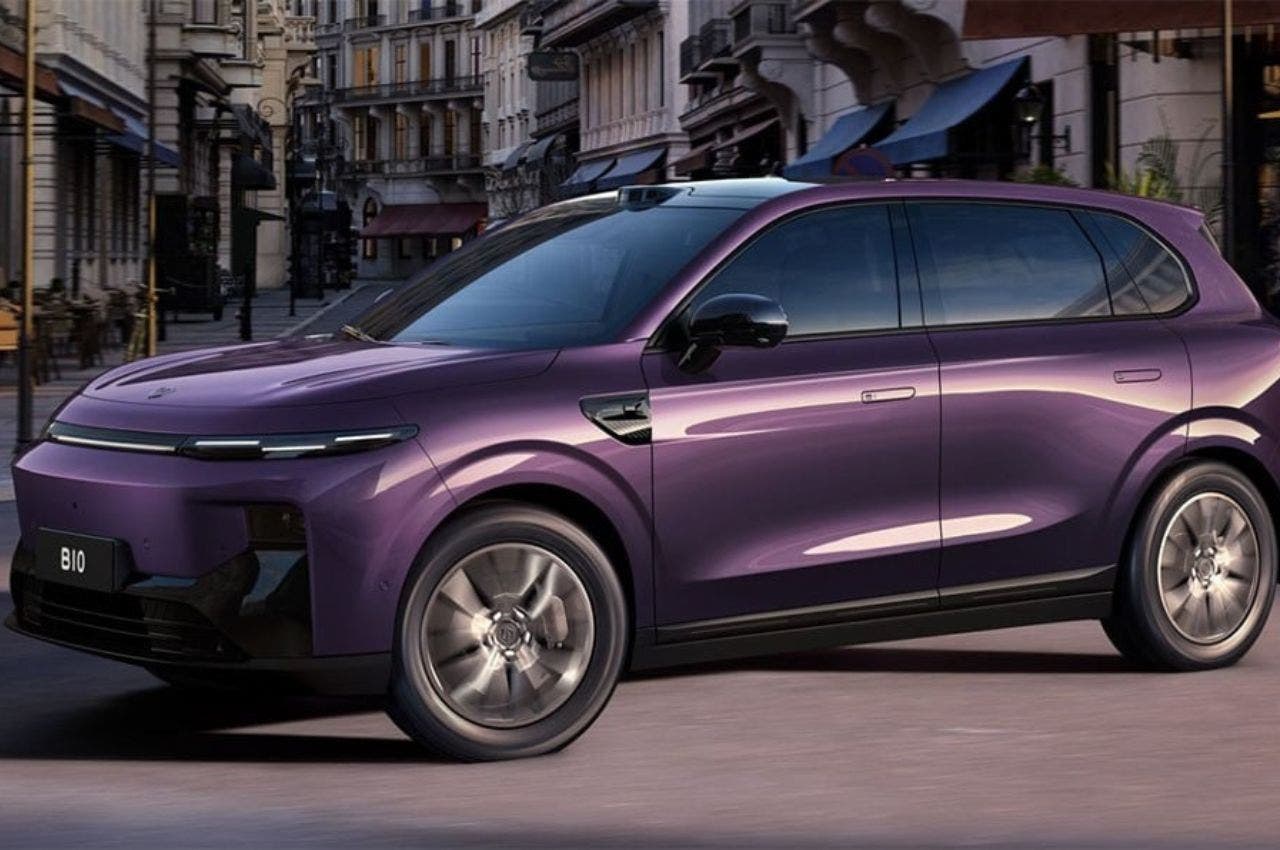
For now, no definitive plans exist and Stellantis has not confirmed plants, brands or timing. However, the rumours outline a path consistent with the strategy already adopted in Europe through Leapmotor. Stellantis has built a model that allows it to quickly access platforms, batteries and software architectures developed in China, where local carmakers have gained a substantial advantage in industrial costs and development speed. Replicating this approach in Brazil would allow the group to bring new electrified models to market without facing multi-year development cycles, while keeping investment under control.
Pressure comes mainly from BYD, GWM and other Chinese brands, which are building a direct presence in the country with compact SUVs, plug-in hybrids and aggressively positioned electric cars. Stellantis maintains regional leadership thanks to Fiat, Jeep, Ram, Peugeot and Citroën, but the transition towards electrification, although slower than in Europe and China, has now begun in South America as well.
The strategic question concerns how a possible collaboration would translate commercially. Dongfeng could enter Brazil with an independent brand and a dedicated network, or it could provide platforms and technologies for new Peugeot, Citroën, Fiat or Jeep models. The second option would appear more efficient from an industrial point of view, because it would use established sales networks and names already rooted in the South American market, avoiding the launch costs of a new brand.
The future positioning of Peugeot and Citroën also remains open. The May presentation reportedly did not include specific product plans for the two French brands in the region, raising doubts about their medium-term role. A Chinese-derived platform could offer a relaunch opportunity, allowing Stellantis to renew the range with electrified models at lower costs and with shorter development times. Without official confirmation, however, this remains only a forward-looking hypothesis.
Building the models directly in Brazil would also allow Stellantis to reduce logistics costs, adapt the vehicles to local market needs and make better use of the industrial network the group has already built in the country. This could give vehicles developed with Dongfeng technology stronger price competitiveness than Chinese brands relying on direct imports. During its 2026 Investor Day, Stellantis reiterated the central role of the region and its intention to defend leadership through flexible platforms and strategies tailored to each market.