In the United States, the debate around Chinese cars is changing shape. For years, Washington focused on vehicles arriving directly from China, using tariffs and restrictions to limit the entry of Chinese brands into the American market. National security, data collection and connected software remain part of the discussion, but the issue has now moved onto a more complex terrain.
Stellantis and China raise new questions in Washington over future car technology
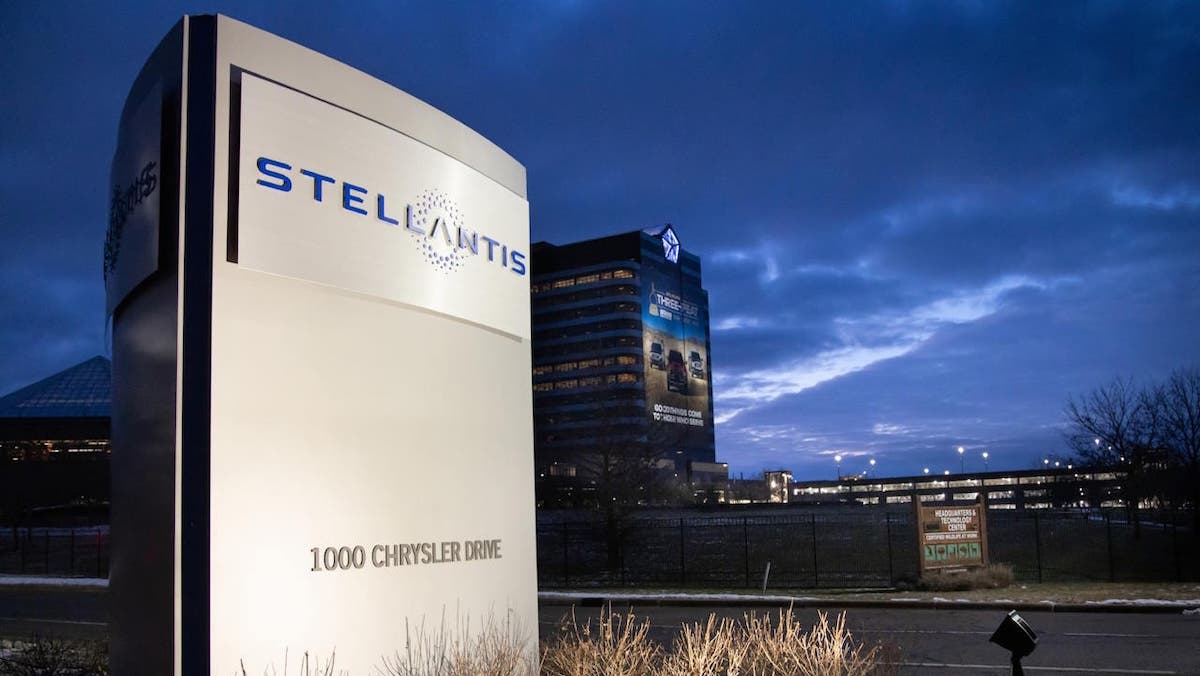
The new question concerns major Western groups that work with Chinese companies on batteries, software, platforms and components. Stellantis also fits into this scenario. Under Antonio Filosa’s FaSTLAne 2030 plan, the group has placed international partnerships among the key levers of its relaunch. This openness towards external partners, especially Chinese ones, now raises political and union questions in the US market.
The key issue no longer concerns only where a car comes from, but where its most sensitive components originate. Batteries, semiconductors, control units, onboard software, connectivity systems and driver assistance technologies now determine much of a vehicle’s industrial value. A North American plant can assemble a model under a historically American brand while that same vehicle uses technologies created with foreign partners.
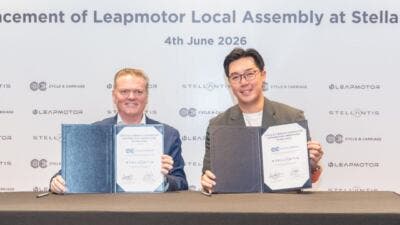
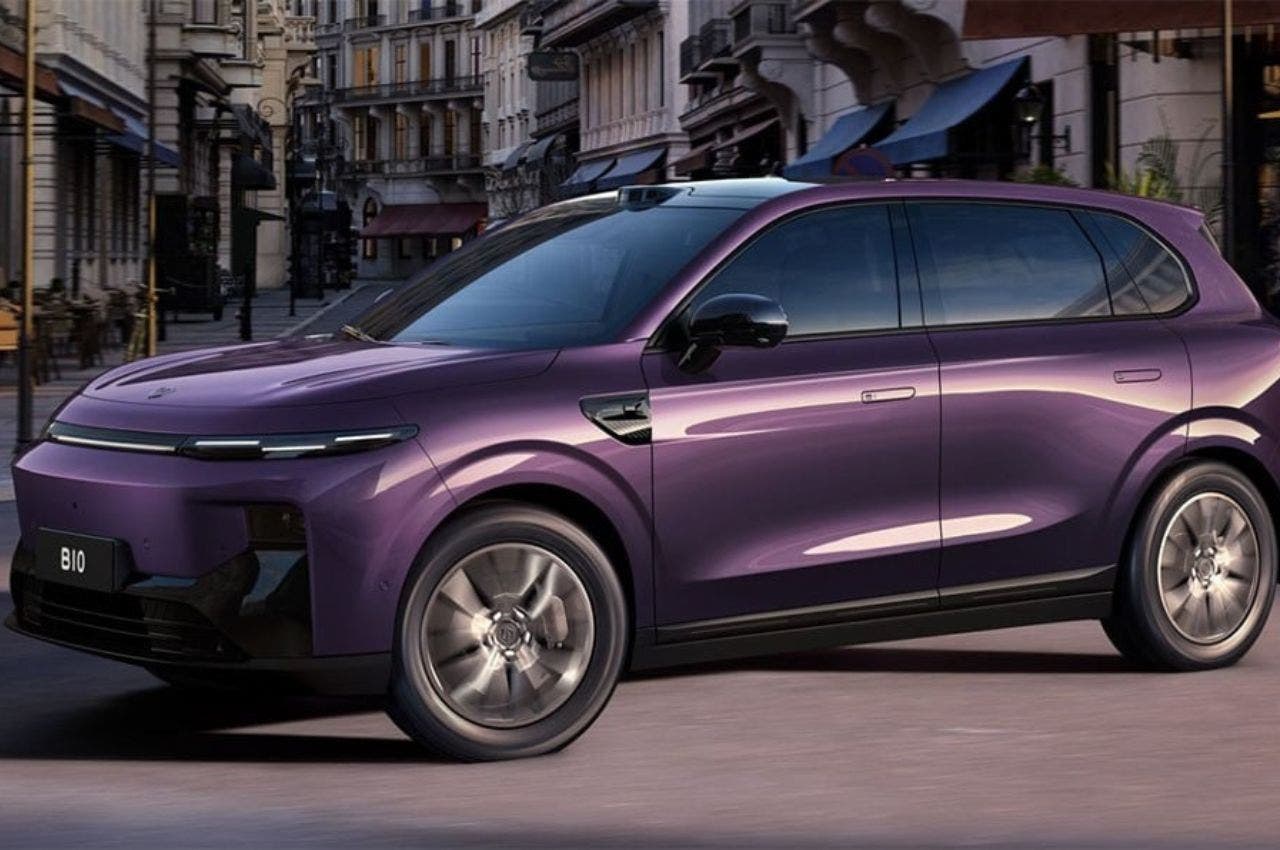
Leapmotor represents the most visible case. Stellantis has invested in the Chinese carmaker and controls the international joint venture that brings its models outside China. This collaboration gives the group access to competitive electric platforms and helps it shorten development times in a segment where Chinese brands have built a significant advantage. Part of the American political world now asks an inevitable question: how “American” will a future Jeep, Ram or Dodge remain if Chinese suppliers provide a growing share of its onboard technology?

In this context, tariffs show their limits. Washington can block a finished vehicle arriving from China with a relatively direct measure. Assessing whether software, a battery, a LiDAR unit or an operating system can enter a vehicle made in the United States without creating national security risks requires a far more complex process. The reason lies in supply chains that cross several countries and involve technologies with potential strategic value.
Stellantis will need to evaluate case by case how far it wants to go in this direction. Brands such as Jeep, Ram, Dodge and Chrysler remain deeply tied to American industrial identity, and any agreement with a Chinese partner can now attract congressional audits, regulatory checks and tensions with the UAW union.