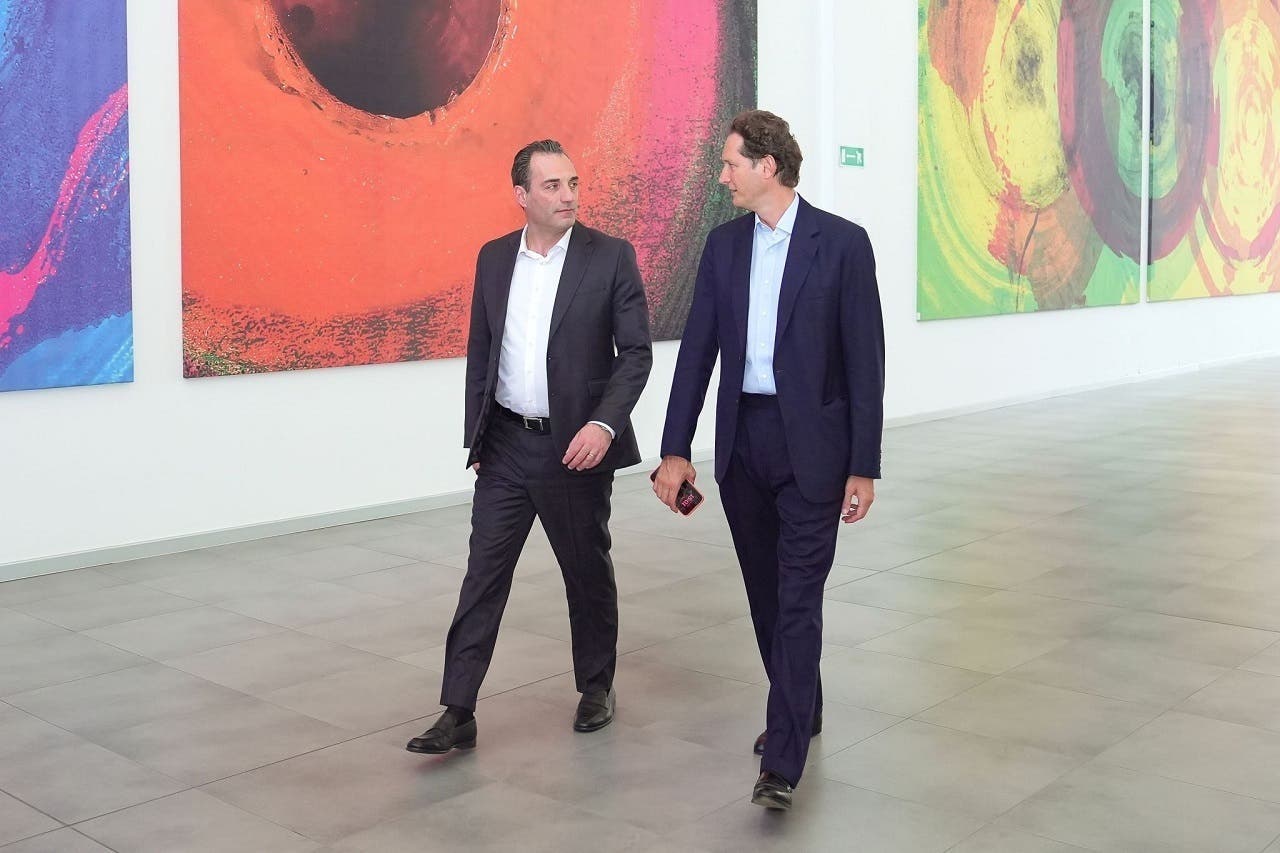
The news that Stellantis may be considering a possible downsizing of its brand portfolio has inevitably sparked debate. Fourteen brands represent a heavy load, and keeping all of them profitable while avoiding overlaps and wasted resources is a challenge the group has faced since its creation. This is not a new issue, but a structural one that has followed Stellantis since 2021, the year FCA and PSA merged.
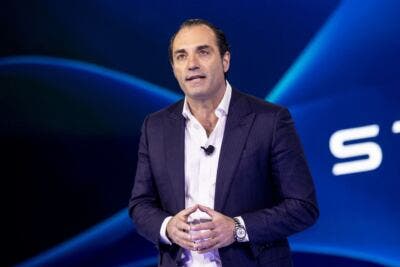
Even at that time, many analysts questioned the sustainability of such a broad group. When presenting the first industrial plan, Carlos Tavares made it clear that each brand would have a limited window to prove its economic and strategic strength. Once that period ended, Stellantis would make decisions without taboos. Now, with Antonio Filosa leading the group’s operations, that moment appears to be getting closer.
Stellantis may reshape its brand portfolio as 2026 approaches
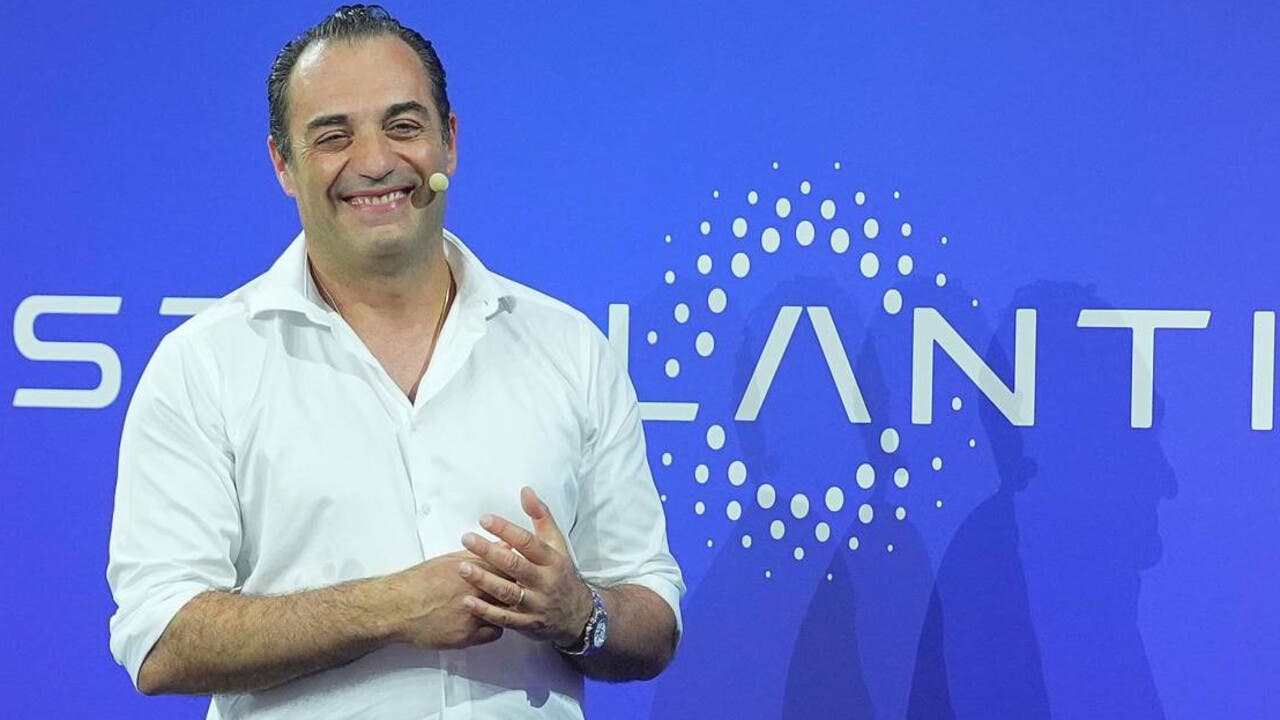
According to a recent Reuters report, 2026 could become the key year when Stellantis makes even drastic choices. It comes as no surprise that the names of the most commercially fragile brands have already begun to circulate. Lancia, DS Automobiles, Abarth, Chrysler, and Maserati often appear among the most exposed marques, due to sales volumes below expectations and positioning that struggles to find a clear identity in the global market.
For now, however, Filosa’s true intentions remain unknown. A clean cut is not the only possible outcome. The group could just as well choose a more gradual path, marked by reduced investment, slower development of new models, and minimum-maintenance strategies. From this perspective, 2026 will prove crucial, as it will coincide with the allocation of resources for the next generation of products. Brands that fail to secure adequate funding risk entering a phase of gradual decline.
The history of Lancia under Sergio Marchionne often serves as a reference point. For years, the brand survived with a single model sold only in Italy, without any real relaunch. A similar fate could await other marques if Stellantis decides to guide them slowly toward the exit rather than opting for immediate closures.

Alongside the more predictable names, Opel has also entered the conversation in recent months. The German brand is not suffering from weak sales, but it could face a strategic repositioning. The most widely discussed scenario involves greater use of platforms and solutions developed in cooperation with Leapmotor, effectively turning Opel into a European testbed for more affordable technologies.
The situation looks more delicate for DS Automobiles, which has struggled to fully capitalize on its premium positioning, and for Maserati, which continues to face very low volumes and an unclear strategic direction. The future of the Trident remains one of the most complex dossiers on Filosa’s desk.
Ultimately, 2026 will mark a turning point. The decisions made will shape not only the fate of several historic brands, but also Stellantis’ ability to remain competitive in an increasingly crowded market, under pressure from Chinese rivals and ever-stricter European regulations. It will represent the first real test for Antonio Filosa, who will have to make difficult choices that are bound to spark debate and discontent.