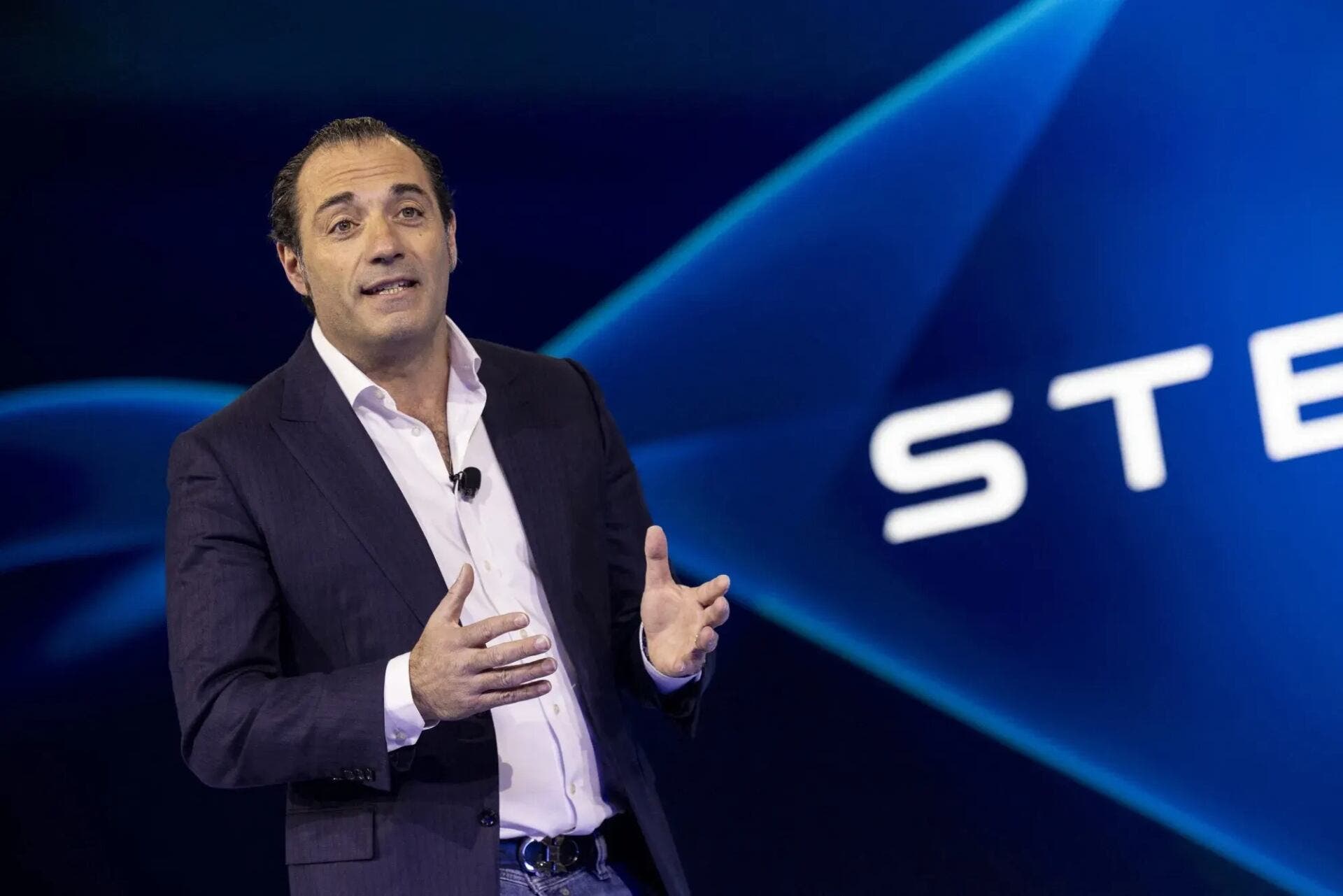
Antonio Filosa has delivered a sharp shift in Stellantis’ strategy, stepping in after a difficult period marked by a steep drop in sales, even in historically solid markets like the United States. Unlike his predecessor, Carlos Tavares, Filosa has abandoned the approach centered on high margins and aggressive cost-cutting. Instead, he aims to win customers back through more accessible pricing and models that can truly compete with rivals.
According to an in-depth Reuters analysis, Stellantis had reached a critical point. Tavares’ relentless push for profit had driven prices up and slashed expenses, a strategy that eventually alienated a large portion of the brand’s customer base. In the U.S., a market where the group had enjoyed strong performance for decades, sales collapsed in 2024, leaving dealers full of unsold inventory. For Stellantis, this was an almost unprecedented situation.
How Antonio Filosa plans to revive Stellantis with affordable prices and competitive models
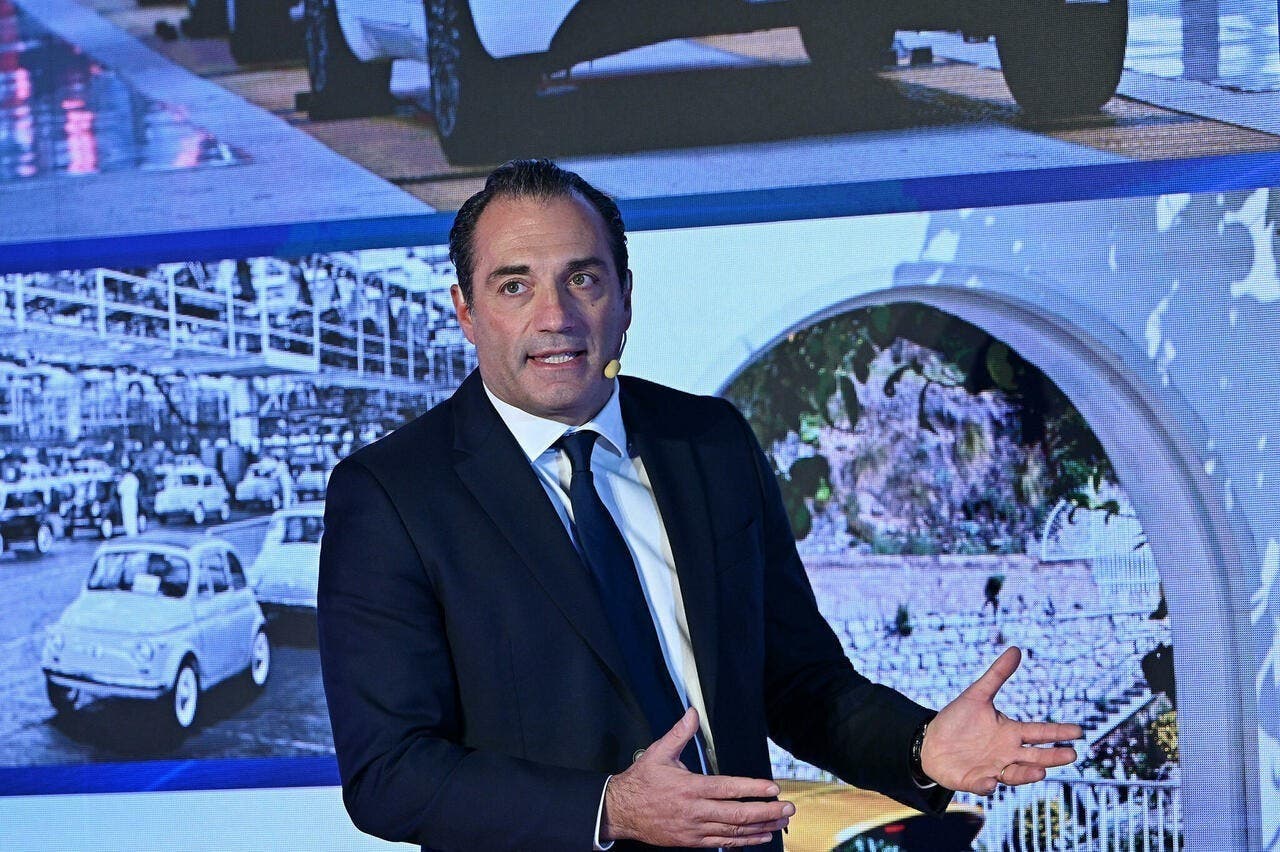
Filosa’s arrival marked an immediate change of course. The priority shifted to rebuilding volume, even at the cost of lower short-term margins. The group reactivated fleet sales for companies, rental firms and public administrations, channels with lower profitability but essential for reducing stock and increasing visibility on the road. At the same time, investment now focuses on the most relevant North American models. Jeep and Ram are once again central, along with the long-awaited return of the Cherokee nameplate and the popular Hemi V8 engine, clear signals of a renewed focus on U.S. market “must-haves.”
The electric strategy has also been recalibrated. The targets set by Tavares, 100% EV sales in Europe and 50% in the U.S. by 2030, proved unrealistic under current market conditions. Filosa has adopted a more gradual approach, keeping electrification as a long-term goal without compromising industrial stability. In parallel, Stellantis has begun reviewing its brand portfolio to avoid internal overlap, especially in Europe, where excessive competition between sister brands could become counterproductive.

According to Reuters, this new direction appears to have the full support of Stellantis’ main shareholders. Exor, the Peugeot family and the French state all back the decision to accept lower margins in the short term, provided the business returns to real growth. Early signs already point in that direction: U.S. sales rose again in the third quarter of 2025 after a long decline.
Major challenges remain, from the rise of Chinese automakers to an electric transition still searching for balance. Yet Filosa faces this landscape with pragmatism and a sense of optimism. His belief is clear: only by reconnecting with the market and listening to customers can Stellantis find its way back to sustainable growth.