Stellantis has once again halted production lines at El Palomar. The Argentine plant, where the Peugeot 208, 2008, Partner and Citroën Berlingo are built, suspended operations in two phases during February, from the 18th to the 20th and again from the 23rd to the 27th, with production set to resume on March 2.
The company described the move as a seasonal adjustment of production rhythms, explaining that the pause also allowed for maintenance work and internal updates ahead of the restart. Behind the official explanation, however, lies a deeper issue linked to an Argentine market that continues to struggle.
Stellantis halts El Palomar production again as Argentina auto market weakens
The numbers show an increasingly complex situation. In 2025, Argentina’s automotive sector missed the target of 650,000 units, closing at 612,000 vehicles including heavy-duty models. January did not improve, with 65,080 registrations versus the expected 70,000. February turned out even worse. Industry estimates pointed to a year-on-year sales decline between 20 and 25 percent, with projections around 35,000 transactions compared to 44,000 in the same period of the previous year.
Complicating matters for Stellantis, Brazil, an essential market for several models assembled in Argentina, also slowed down. In 2025, exports of the Peugeot 208 fell by 38 percent, while the 2008 dropped by 44 percent. Such a sharp decline made a reduction in production volumes unavoidable in order to prevent unsold inventory from piling up.
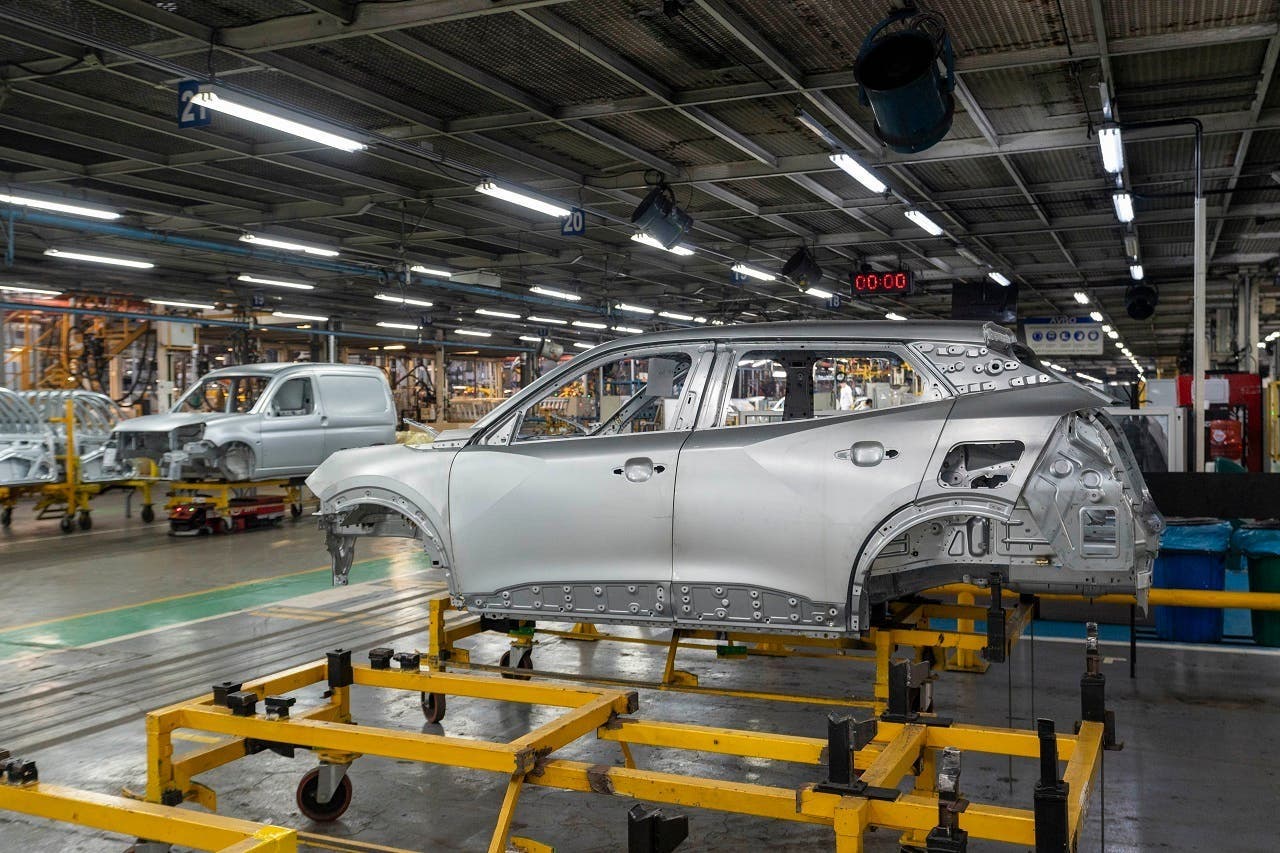
This is not the first time El Palomar has stopped for extended periods. In December, the plant remained closed for the entire month, whereas under normal conditions suspensions usually last about two weeks, as happens at Stellantis’ other facility in Ferreyra, Córdoba. The fact that the Buenos Aires shutdown continues to lengthen says a great deal about the scale of the problem.
Stellantis emphasized that the decision does not involve changes to its organizational structure or future plans, reaffirming its intention to keep operations stable in the country. Even so, with a domestic market struggling to recover, declining exports and the need to control inventory, Argentina’s automotive industry now faces the challenge of revising its outlook for the rest of the year.