Stellantis is entering a new strategic phase aimed at correcting several decisions made in recent years and restoring a stronger balance between commercial competitiveness and industrial profitability. The first effects of this shift will appear mainly in pricing, which will become more flexible, although the repositioning actually involves the group’s entire approach to the global automotive market.
Stellantis begins strategic shift with flexible pricing and broader powertrain choice
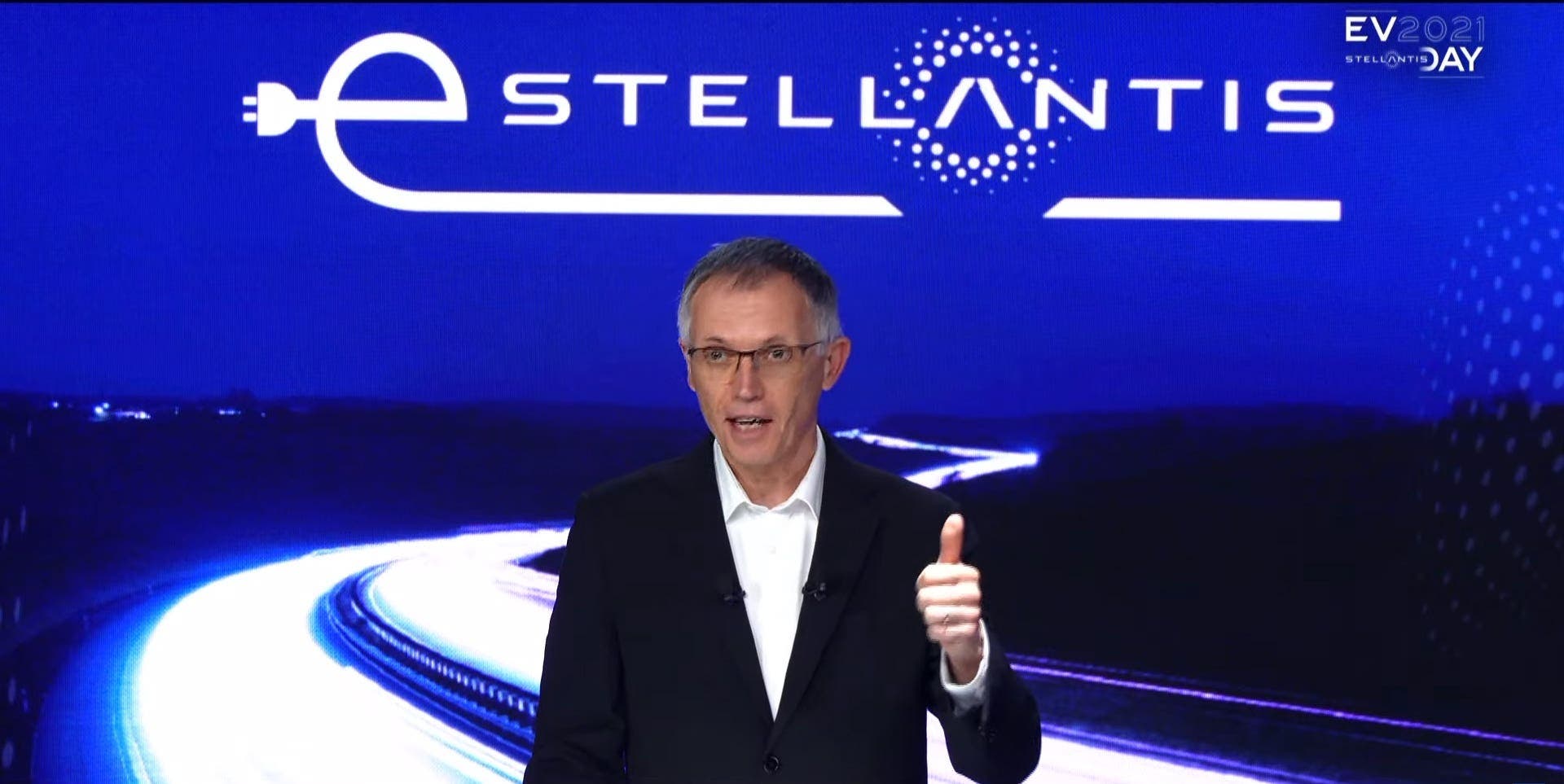
Under Carlos Tavares’ leadership, the strategy focused on protecting margins through lower volumes, reduced discounts and steadily rising price lists. That policy initially delivered strong financial results. Over time, however, it reduced the competitiveness of several brands, directly affecting sales performance and dealer confidence. Lower registrations also weakened related activities such as aftersales services and maintenance operations, key elements for the sustainability of the broader automotive ecosystem.
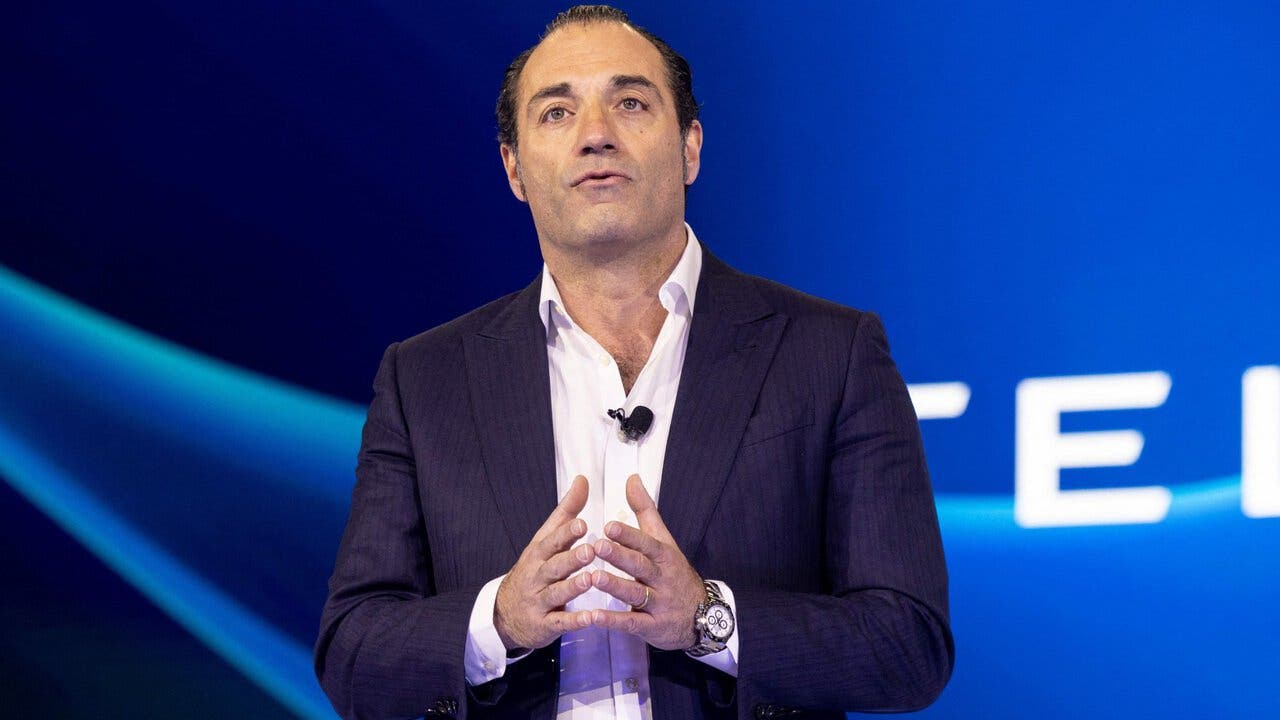
With Antonio Filosa now leading the group, Stellantis appears to be moving toward a more pragmatic and less rigid strategy. The goal extends beyond improving internal efficiency. Management also aims to regain market presence through more coherent products and commercial policies better adapted to different regions.
One of the most visible changes concerns the technical offering. While investment in electrification continues, the group plans to strengthen the role of hybrid solutions and extend the lifecycle of combustion engines where demand remains strong. This approach seeks to avoid overly rapid transitions while giving customers greater freedom of choice and reducing the complexity that has characterized parts of the lineup in recent years.
At the same time, Stellantis intends to address quality and reliability, two factors that have influenced brand perception across several markets. Faster intervention times, improved handling of technical campaigns and clearer communication with customers now rank among strategic priorities, especially in high-volume segments.
On the commercial side, the company is also returning to a more dynamic approach. Targeted promotions, more competitive financing solutions and greater operational autonomy for dealers should help recover volumes without weakening cost discipline. The objective is to move away from a purely financial logic and return to growth supported by real market demand.
Given the scale of the group, results will not emerge immediately. Nevertheless, the direction of the new strategy has become clear: stronger market focus, closer relationships with partners and customers, and a more balanced product portfolio. The challenge for Stellantis will be turning this restructuring into a stable return to growth in the coming years.