Stellantis quickly fell toward the bottom of Italy’s FTSE Mib despite reporting higher revenue and a return to profit in the second quarter of 2026. Investors appeared to focus less on the year-over-year recovery and more on margins that remain far below the automaker’s stronger historical levels.
Stellantis Q2 revenue rises 13%, but shares fall on margin concerns

The stock opened nearly 6% lower and dropped as much as 8% during early trading, reaching an intraday low of €4.82. By 12:20 p.m. in Milan, shares traded at approximately €5.05, down 4.6% from the previous session’s reference price of €5.289. More than 33 million shares had changed hands, reflecting the intensity of the market reaction.
The scale of the selloff suggests that investors did not consider the financial improvement strong enough to confirm a lasting turnaround. The partial rebound from the morning low, however, showed that some buyers stepped in after the initial decline.
Stellantis generated €43.48 billion in second-quarter revenue, up 13% from the same period in 2025. North America led the recovery with a 32% revenue increase, supported by stronger sales of models including the Ram 1500 and Jeep Grand Wagoneer. European revenue remained flat.

Net profit reached €293 million, reversing a €1.87 billion loss one year earlier. Adjusted operating income rose from €213 million to €773 million, but it fell short of the €914 million analysts expected. The adjusted operating margin improved to 1.8%, still a relatively weak result for a global automaker of Stellantis’ size.
Stellantis also generated €1 billion in industrial free cash flow during the quarter, marking a €1 billion improvement from the previous year. The positive figure supports the view that operations have started to stabilize, but it does not yet signal a full return to the profitability and cash generation achieved during the company’s strongest years.
Europe remains one of the group’s biggest challenges. Negative pricing, higher research and development expenses, administrative costs, currency movements and tariffs weighed on profitability, while the Enlarged Europe division recorded a negative 0.6% adjusted operating margin.
Stellantis maintained its full-year guidance, which calls for mid-single-digit revenue growth and a low-single-digit adjusted operating margin. The company expects a more visible improvement during the fourth quarter after the traditional summer production slowdown, although tariffs, demand uncertainty and rising costs remain significant risks.
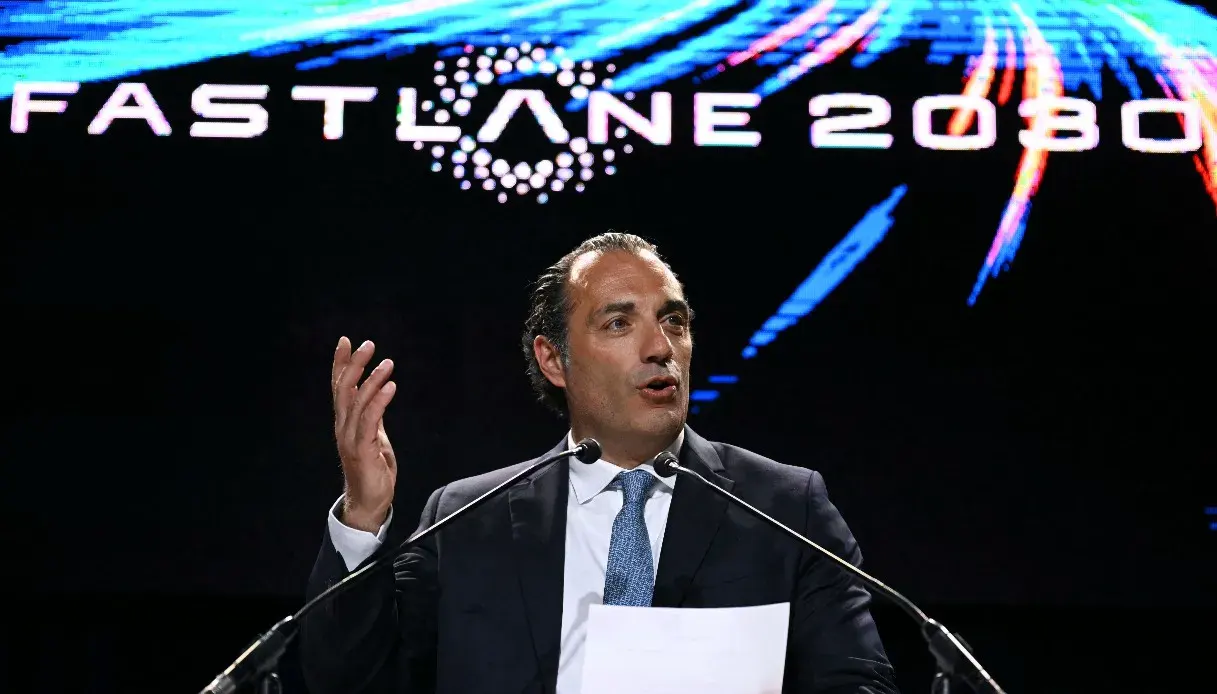
The market response shows that revenue growth alone will not satisfy investors. Stellantis must now demonstrate that its FaSTLAne 2030 strategy can deliver wider margins, stronger European performance and a more sustainable recovery in earnings.