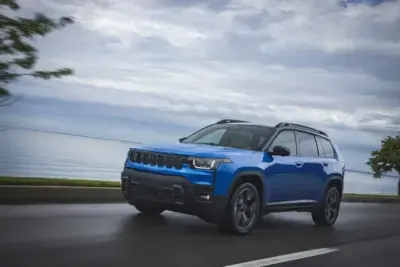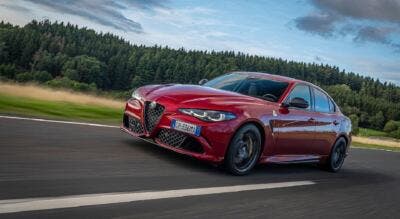
Ralph Gilles, Stellantis’ head of design, has openly suggested that the market may be growing tired of SUVs and that sedans and compact hatchbacks could regain some appeal. His comments matter because he helps shape the design direction of a group that, in recent years, has built much of its lineup around crossovers and SUVs of every size.
Stellantis sees new interest in sedans as SUV fatigue grows
Gilles believes the SUV boom may have reached its high point, and he sees more customers starting to look again at traditional body styles that feel less uniform. He also described a shift among younger designers inside the company, where interest is growing in compact, practical cars with strong character, partly inspired by iconic models such as the GTI hot hatches of the 1980s.
One figure often mentioned in this discussion supports that view. In one survey, 51% of teenagers said they picture themselves driving a sedan, a higher share than those who chose an SUV or a pickup. That result may reflect a generational reaction from people who grew up surrounded by tall, SUV-shaped vehicles.
SUVs took over the market for clear reasons, including a higher driving position, versatility and a tougher image. However, their presence across nearly every price point may now be creating a saturation effect, especially among younger buyers. Many of them seem to want cars that stand out more, feel easier to use in cities and perhaps offer a more engaging drive. The market has followed this kind of cycle before. Station wagons, minivans and even SUVs themselves have all moved through periods of rising and falling popularity, shaped by both practical needs and changing tastes.

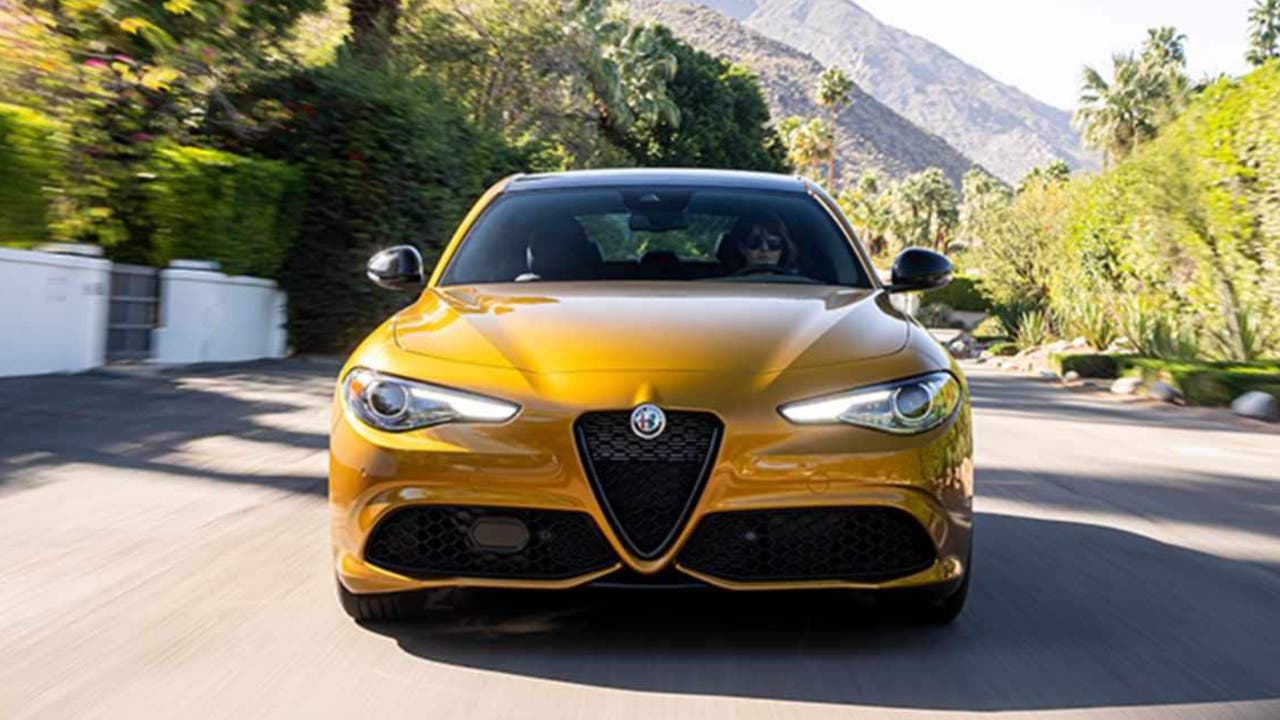
Gilles hinted that this shift in sentiment could push Stellantis to rethink choices that once seemed obvious. That would be especially interesting because the group currently has only a limited presence in the sedan market in the United States, mainly through the Dodge Charger and the Alfa Romeo Giulia. Pricing remains the biggest question. Most sedans still on sale sit in the premium or luxury segments, leaving a gap in the more affordable part of the market, which is exactly where a comeback would likely make the most sense.
For now, these remain signals and possibilities rather than concrete plans. Even so, the fact that Stellantis has started talking openly again about alternatives to SUVs stands out after years in which high-riding body styles seemed like the only path forward for major automakers.