

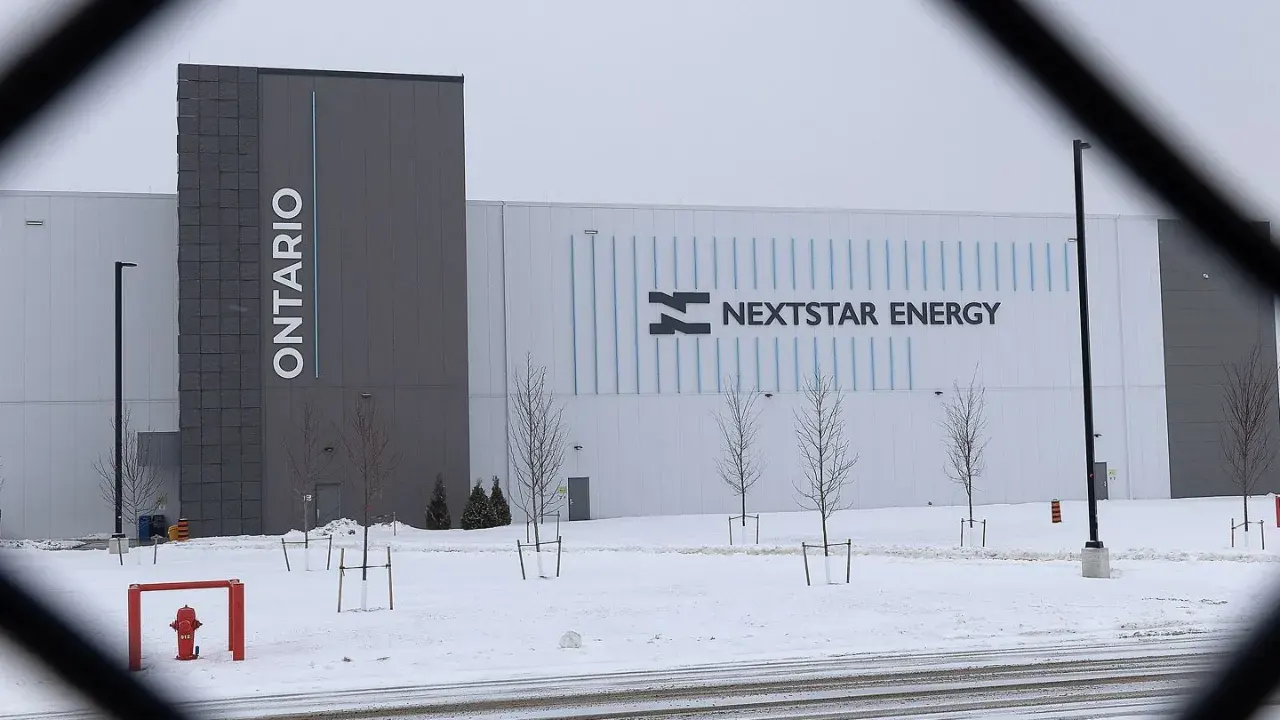
Stellantis has just executed what might be the most spectacular financial faceplant in automotive history, offloading its 49 percent stake in Canada’s only operational EV gigafactory for the princely sum of one hundred dollars. Yes, that’s $100. Not $100 million. Not even $100,000. Just enough to cover a decent dinner for two.
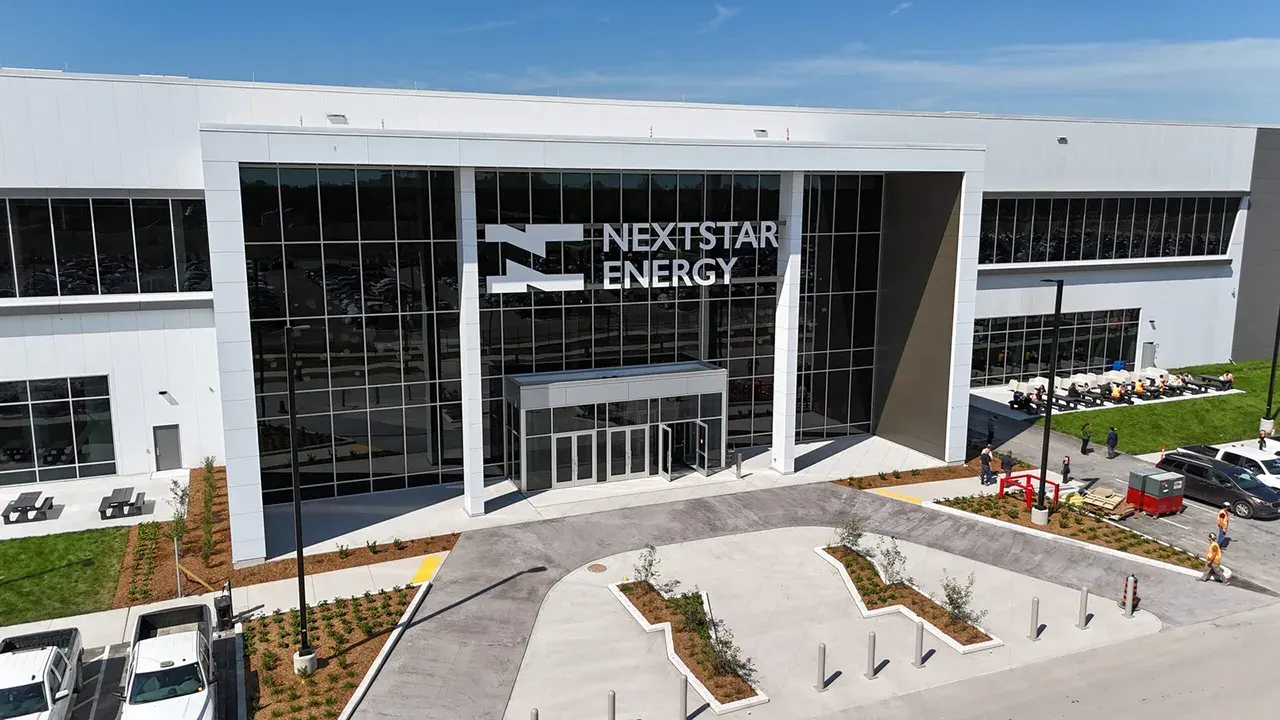
The Windsor-based NextStar Energy facility, into which Stellantis had poured $980 million, now belongs entirely to LG Energy Solution Ltd., which already held the remaining 51 percent. The math here is brutal: nearly a billion-dollar investment vanished faster than enthusiasm for mandatory EV mandates at a truck rally.
This fire sale comes as Stellantis swallows roughly $26 billion in charges to completely rewrite its electric vehicle strategy, one of the largest write-downs among global automakers. CEO Antonio Filosa diplomatically described the situation as reflecting “the cost of overestimating the pace of the energy transition”, which is corporate-speak for “we bet the farm on something nobody wanted to buy”.
Ottawa and Ontario collectively committed about $1 billion for construction, split evenly, plus production subsidies that could reach tens of billions over time. The federal government alone pledged up to $10 billion in production subsidies, with Ontario adding another $5 billion. Taxpayers, the greatest democracy in the world tells us, just love funding billion-dollar experiments in industrial policy.
Stellantis insists it remains a “committed customer” and will continue sourcing batteries from NextStar, receiving “undisclosed favorable benefits” in exchange for that symbolic hundred bucks.
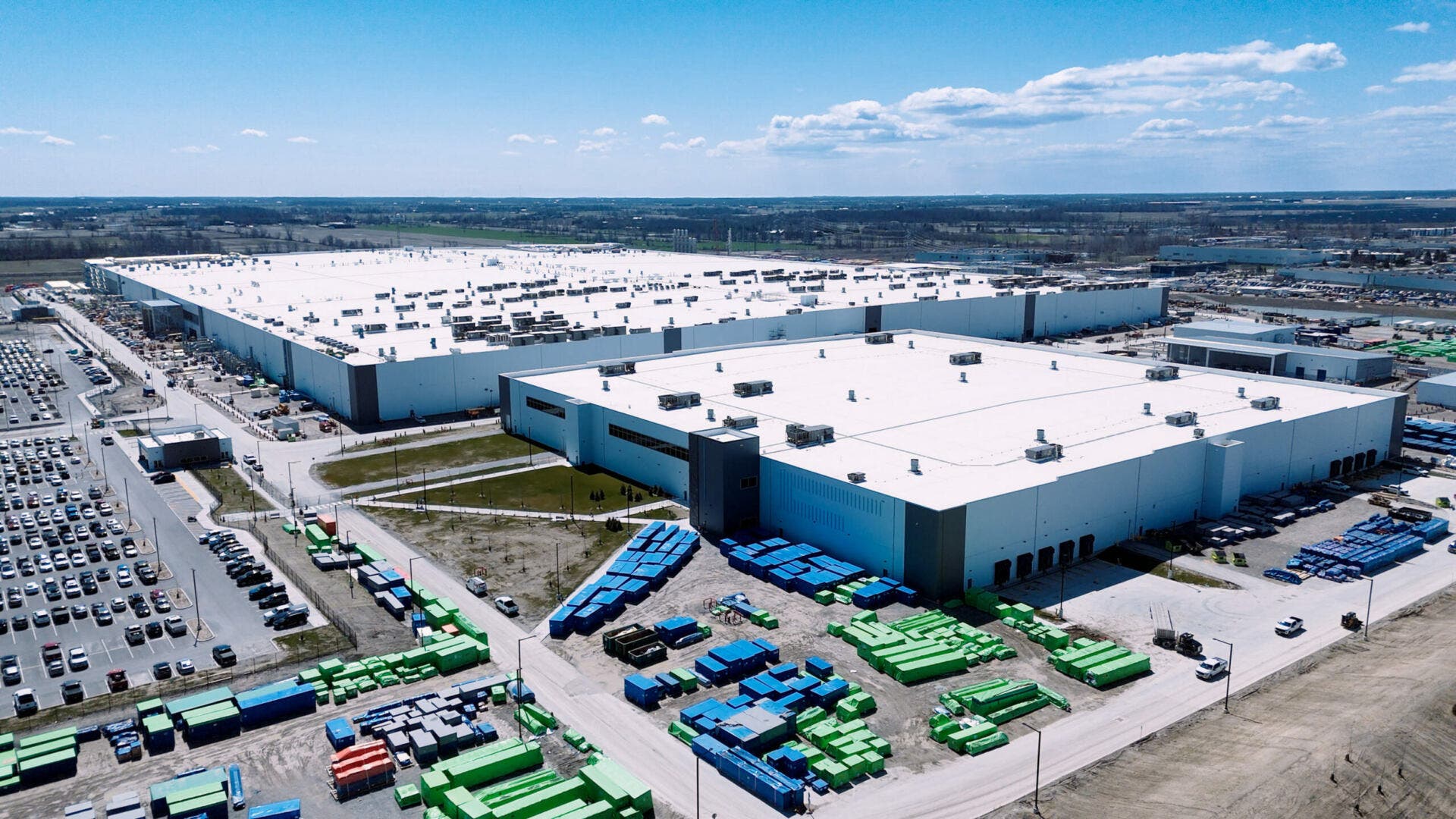
Meanwhile, LG Energy sees opportunity where Stellantis saw catastrophe. The South Korean company plans to open the 4.23-million-square-foot facility to a broader range of automakers and expand beyond automotive applications entirely. The plant has already pivoted once, shifting focus from EV batteries to grid-scale industrial storage as North American electric vehicle sales disappointed expectations.
The facility currently employs about 1,300 workers, targeting 2,500 at full capacity. Whether that capacity ever materializes now depends on LG’s ability to navigate what Stellantis clearly could not. The gap between political mandates and actual consumer demand.