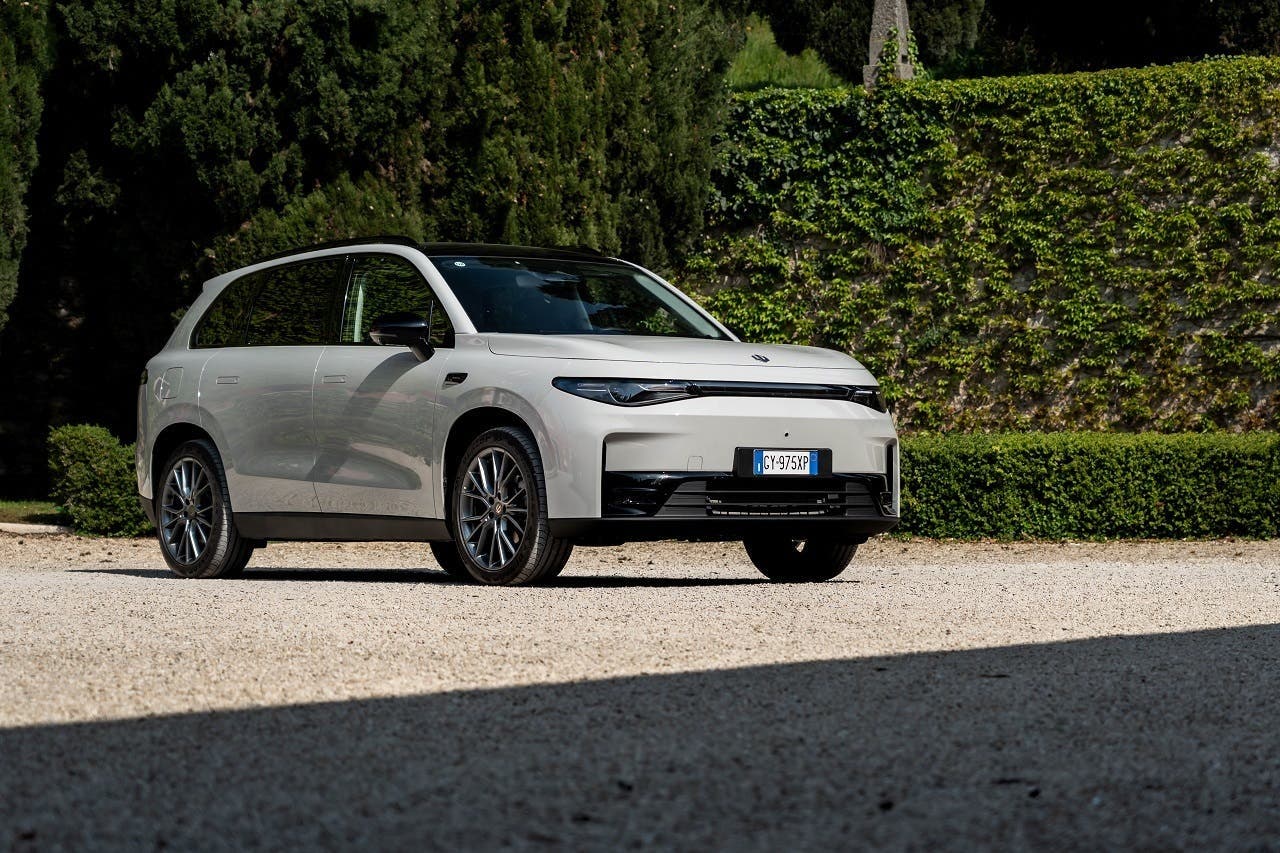
Stellantis has launched a deep strategic review to realign its industrial and commercial model with real market dynamics and customer expectations. This phase marks a crucial step in the group’s repositioning and sets the foundation for the new strategic plan that will be presented later this year. Among the top priorities stands a rigorous cost analysis aimed at improving overall efficiency and supporting stronger, more profitable growth.
Stellantis launches strategic reset focused on growth and customer demand, dividends suspended

In recent years, Stellantis has built a significant position in electric mobility and intends to keep investing in this technology. At the same time, the group recognizes the need to match the pace of the energy transition with real demand. The strategy therefore remains multi-energy, with a lineup that includes electric vehicles, hybrids, and advanced combustion engines, allowing the company to meet diverse mobility needs across global markets.
CEO Antonio Filosa explained that the strategic “reset” comes from the desire to put the customer back at the center of decision-making, while also acknowledging the effects of previously overestimating the speed of electric vehicle adoption. The measures aim to correct operational inefficiencies and strengthen the foundation for more stable growth, supported by the positive market response to product initiatives launched in 2025, which helped increase orders and restore revenue growth.
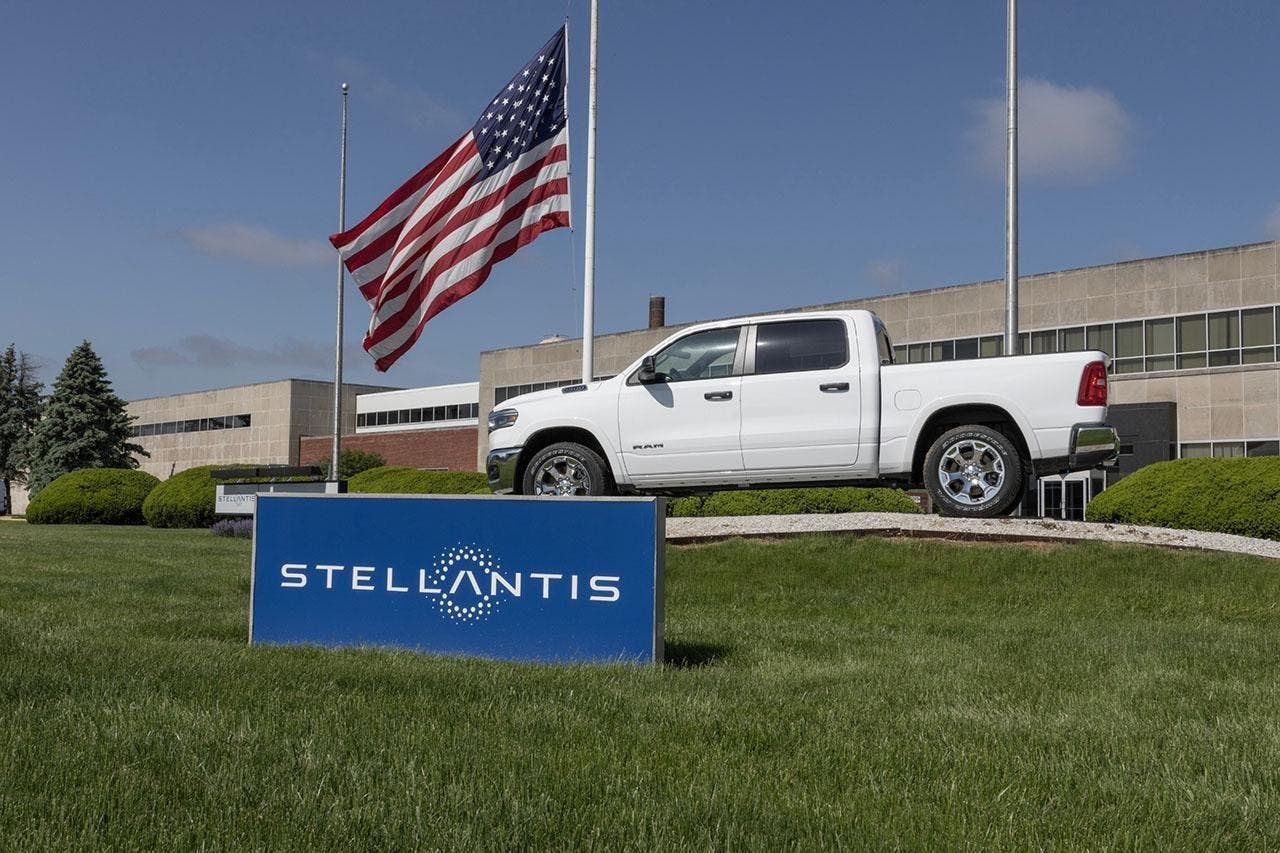
During 2025, the group implemented concrete actions. Among the most significant stands the largest investment ever made in the United States, totaling $13 billion over four years, aimed at strengthening industrial presence, increasing production capacity, and supporting employment. At the same time, Stellantis expanded its model and powertrain range to better match demand, while it revised or canceled programs considered insufficiently profitable, especially in the United States, in line with regulatory changes and real market conditions.
The reorganization also touched industrial processes and quality, with the hiring of more than 2,000 engineers and greater decision-making autonomy granted to regional teams. This approach enables faster and more targeted decisions, while tighter management of the supply chain and capital supports the goal of profitable medium-term growth.
Early results show encouraging signs. In the second half of 2025, global volumes reached around 2.8 million units, up 11% year over year. North America contributed significantly thanks to better inventory management and higher sales, while Europe, South America, the Middle East, Africa, and Asia-Pacific also recorded progress. Tangible improvements also emerged on the quality front, with a strong reduction in issues reported during the first months of vehicle use.

However, the “reset” process has generated very substantial extraordinary costs. In the second half of 2025, Stellantis recorded extraordinary charges of about €22.2 billion (around $24 billion), excluded from AOI, with cash outflows estimated at about €6.5 billion (roughly $7 billion) spread over the next four years. The largest portion relates to aligning product plans with real market demand and revising outlooks for battery electric vehicles, including project cancellations and platform write-downs. Additional impacts stem from resizing the electrified vehicle supply chain and revising warranty provisions, influenced by rising costs and quality challenges.
Despite a complex environment, Stellantis expects progressive improvement in revenue, margins, and cash generation in 2026, aiming to consolidate more balanced growth aligned with real market demand.