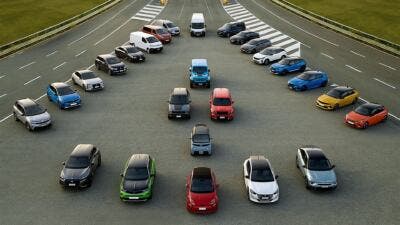
Stellantis stopped pretending. After incinerating €22.2 billion chasing an electric future that consumers consistently refused to purchase, the automotive giant quietly began reintroducing diesel versions of at least seven passenger cars and vans across Europe. The strategic pivot, uncovered through a Reuters investigation of dealership websites and company statements, confirms what many suspected: forced electrification was an expensive hallucination.
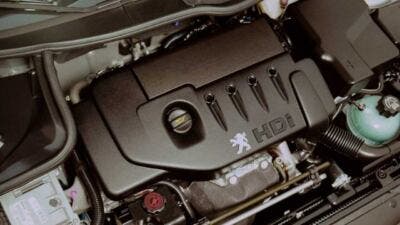
Since late 2025, Stellantis has restored diesel powertrains to European markets for vehicles ranging from commercial vans to the Peugeot 308, the premium DS No. 4, and the Opel Astra. Models like the seven-seat Peugeot Rifter, Citroën Berlingo, and Opel Combo van have rediscovered diesel under their hoods. Even the Alfa Romeo Tonale will continue offering diesel variants. The group finally understood that people need vehicles they can afford and that address real-world requirements.
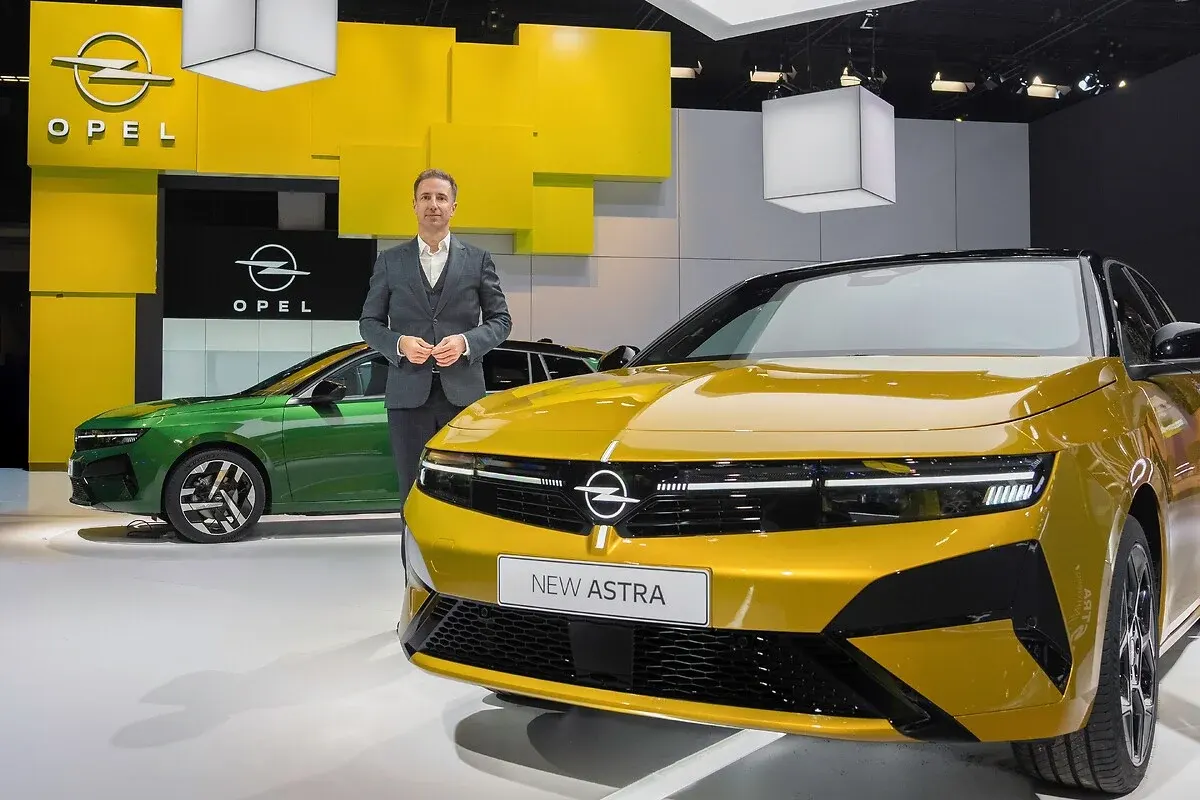
The official justification carries almost comedic irony: “We have decided to maintain diesel engines in our product portfolio and, in some cases, increase the offering of powertrains. We want to generate growth, so we are focusing on customer demand”.
Electric vehicle sales in Europe spectacularly missed projections while the European Union watered down emission targets, granting combustion engines more breathing room. In 2025, diesel cars represented just 7.7% of new European registrations compared to 19.5% for EVs, but with a substantial difference: diesel costs significantly less and doesn’t depend on nonexistent or inadequate charging infrastructure.
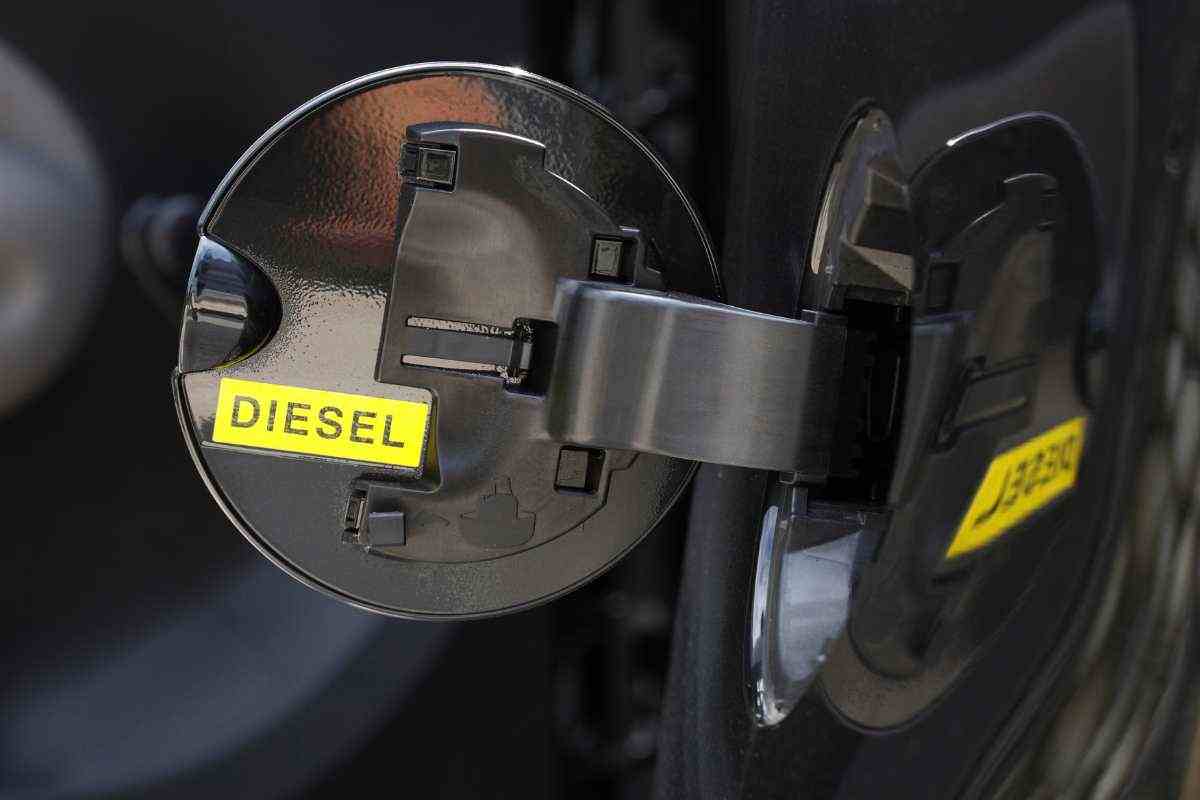
Critically, Chinese manufacturers dominating the electric segment don’t compete in diesel at all. If you’re a European brand seeking differentiation, diesel represents a competitive advantage against Asian newcomers.
Stellantis’s debacle demonstrates how shortsighted betting everything on technology the market wasn’t ready to embrace actually was. Meanwhile in the United States, the group has already resurrected the Jeep Cherokee and the mighty Hemi V8. Better late than never, though €22.2 billion is one hell of a tuition fee for learning that customers, not regulators, ultimately decide what sells.