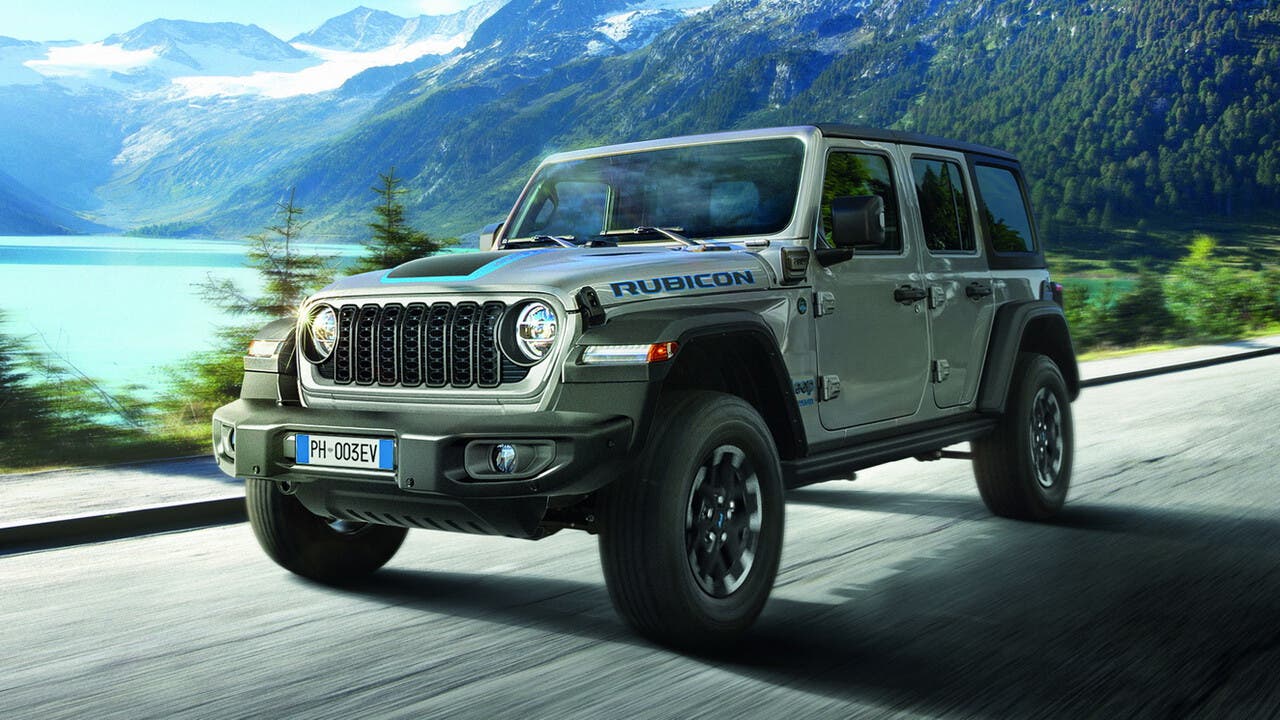
Jeep’s once-celebrated plug-in hybrid models, the Wrangler 4xe and Grand Cherokee 4xe, have been battered by a series of cascading safety recalls that have pushed the loyalty of their owners to a breaking point.
In the span of just a few months, drivers have been hit with a software update that caused sudden power loss on the highway, a severe battery fire risk that demanded parking far from buildings, and an utterly bizarre recall involving casting sand contamination inside the engine, potentially leading to catastrophic failure.
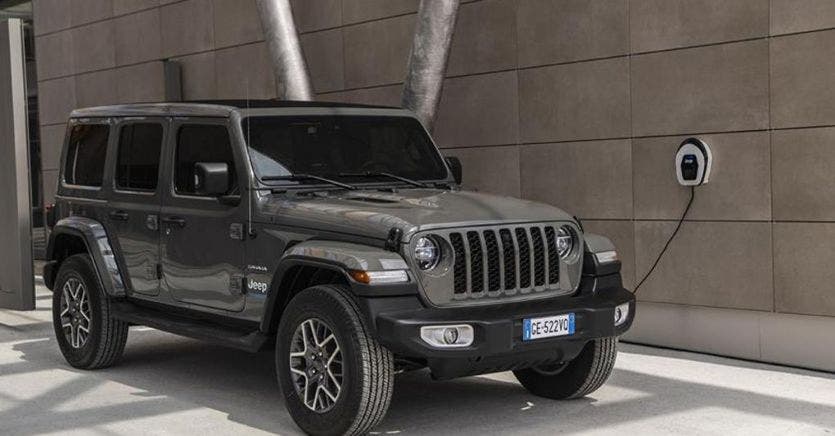
For long-time 4xe enthusiasts, the battery warnings are particularly galling. This is the third time in two years that Stellantis, Jeep’s parent company, has issued a directive to stop charging and park outside. Chris Hall, a veteran Wrangler 4xe owner, admitted his patience is gone: “Many of us have developed trust issues right now, and a lot of people are getting out of these vehicles”. The sand contamination issue, affecting over 112,000 vehicles and potentially causing engine failure or fire, only compounds the feeling that the 4xe is a vehicle in crisis.
In a weak attempt at conciliation, Stellantis is offering affected customers $100 gift card and help with loaner vehicles through local dealers, ostensibly to cover the additional gas costs incurred by owners who can’t safely recharge their PHEVs. This move, aimed at assisting over 300,000 owners, does little to soothe the fears of many drivers who usually park the $50,000 Jeep in garage, but now leave it outside in the snow, spending more on gas, and rethinking giving the vehicle to his daughter due to the ongoing safety concerns.
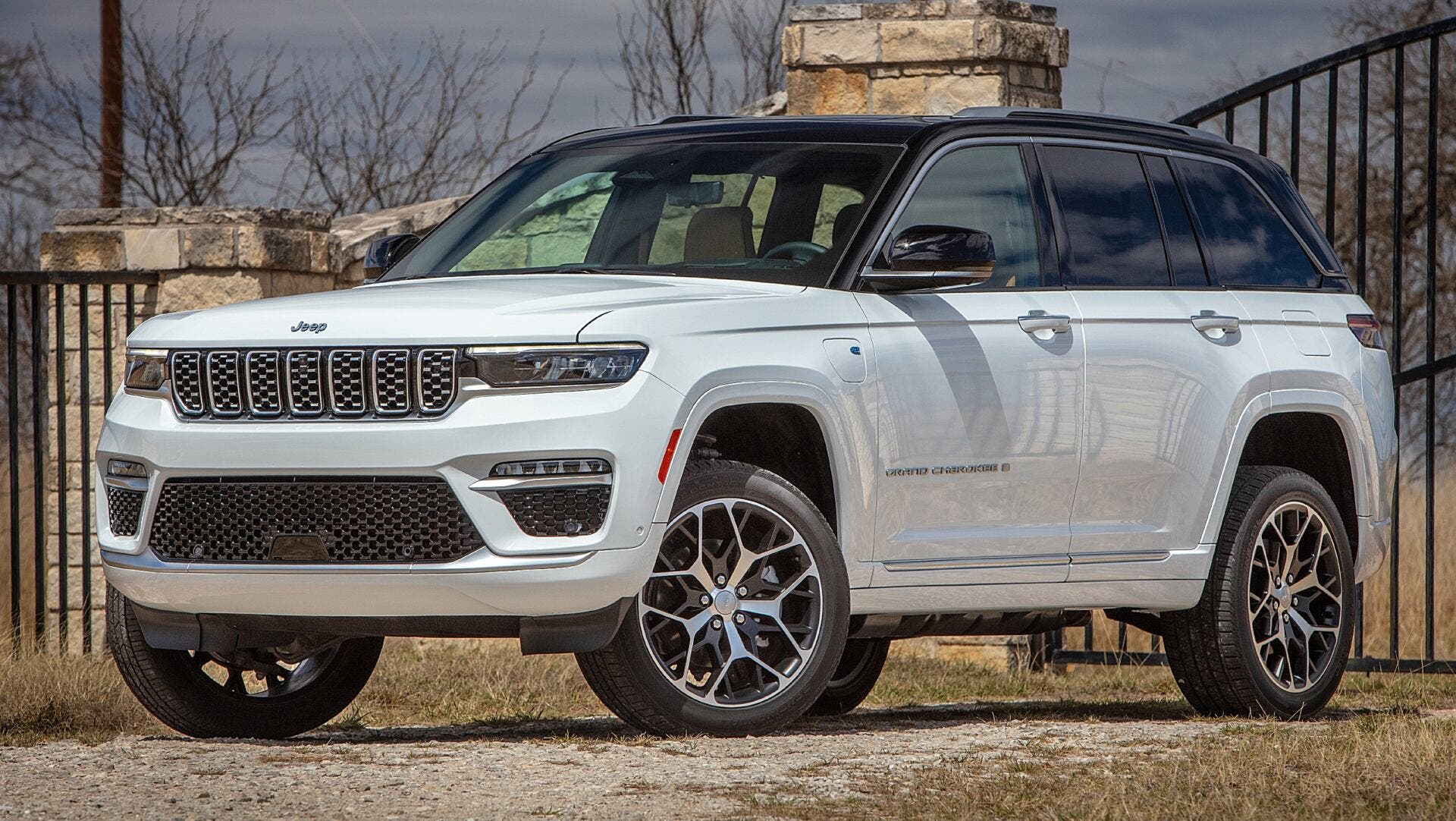
This quality crisis comes at the worst possible time for Stellantis. The company, which sold over 83,000 4xe units last year, is already navigating broader reputational issues. CEO Antonio Filosa has signaled a strategic shift toward traditional, non-rechargeable hybrid technology, predicting stronger growth there. The easing of emissions standards under the Trump administration reduces the regulatory pressure for Stellantis to push PHEVs, a point evidenced by the recent cancellation of the Jeep Gladiator plug-in hybrid plans. But now, the combination of fire risks, sudden power loss, and literal sand in the engine is testing even the most loyal owners.