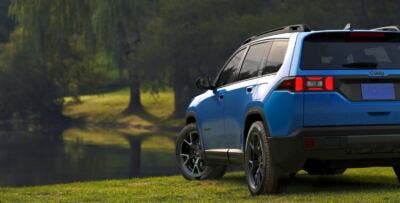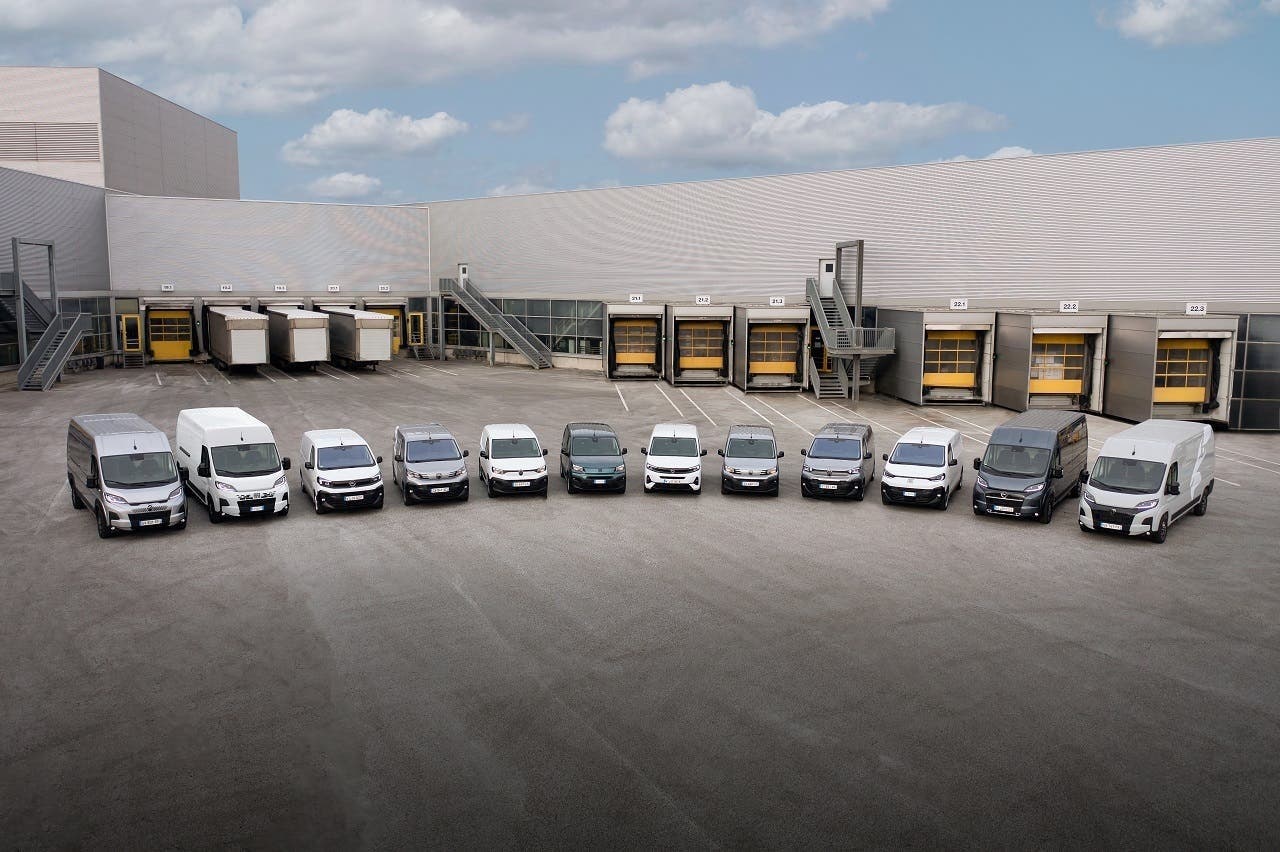
Stellantis is working on a new full-hybrid system developed in-house and aimed mainly at B- and C-segment models, the categories that generate the most significant volumes in Europe. Emanuele Cappellano, the group’s head of Europe, confirmed the project and anticipated the arrival of a technology different from the 1.6 HEV powertrain already introduced in the United States on the new Jeep Cherokee. Stellantis designed this new system around the specific needs of the European market.
Stellantis develops a European full hybrid to challenge Toyota and Volkswagen
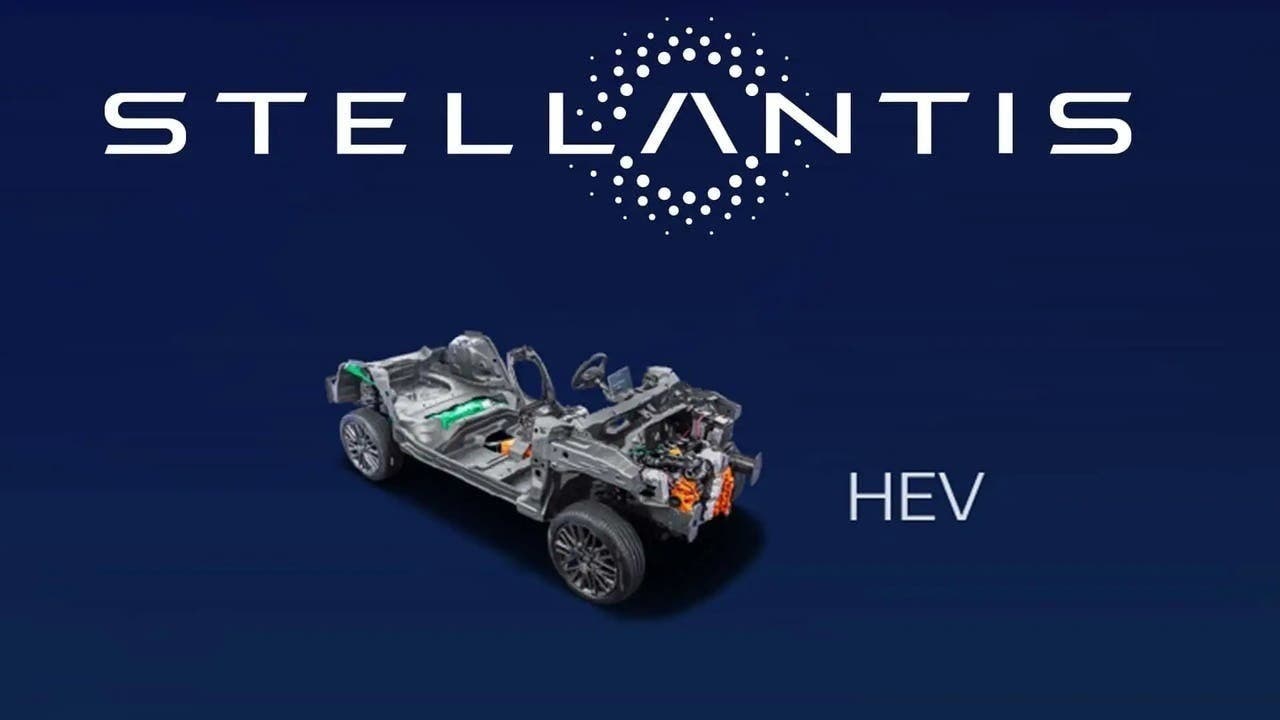
Cappellano clarified that Stellantis will develop the system without external partners, a choice that shows the group’s intention to close the gap with Toyota. The Japanese brand has dominated this technology for more than 20 years thanks to expertise that rivals cannot easily replicate in a short time.
No official details have emerged yet on displacement, power or architecture. Considering the target models, the system could use a small-displacement engine, probably around 1.2 or 1.5 litres, paired with a more advanced electric component than Stellantis’ current mild-hybrid units. In any case, the project aims to cut fuel consumption and emissions without requiring external charging, while preserving the range and ease of use of traditional powertrains.
The full-hybrid segment is enjoying a strong comeback. Toyota has built a clear advantage with models such as the Yaris, Yaris Cross and Aygo X, appreciated for their low fuel consumption in urban driving and their simple user experience. Volkswagen has also announced its own full-hybrid system for the T-Roc and Golf, a sign that the market is becoming more crowded just as European emissions rules increase pressure on carmakers.
For Stellantis, staying on the sidelines of this trend would bring too many risks. Many drivers now want an intermediate solution between traditional petrol engines and fully electric cars, capable of reducing CO2 without radically changing daily habits. Full hybrid technology meets that need by offering low consumption in city traffic and independence from charging stations.

The main question now concerns how Stellantis will map the new powertrain across its range. The group has a broad offer in the compact segments, and early reports suggest that the new full hybrid could reach models such as the Jeep Avenger, Alfa Romeo Junior, Alfa Romeo Tonale and Jeep Compass, as well as other vehicles built on the STLA Small and STLA Medium platforms. Stellantis still needs to clarify whether the technology will also extend to higher-segment models, including future Lancia and Jeep products.
The decision comes after years of investment mainly focused on mild hybrid and fully electric vehicles, a strategy that left Stellantis exposed in the intermediate area where Toyota built its leadership. An efficient and cost-competitive in-house full hybrid could strengthen the group’s brands in the price range where European demand remains most sensitive to the balance between fuel consumption and performance.