When Stellantis was created in 2021 from the merger between PSA and Fiat Chrysler, it looked like one of the strongest industrial projects in the automotive sector, with high profits, rapid synergies and a very broad global presence. Four years later, the picture has changed dramatically.
Its European market share reportedly fell from 22% to 16%, while in the United States the group dropped from 11.6% to 8.2%. These figures add to the collapse of the share price, issues linked to PureTech engines, Takata airbag recalls and a broader slowdown in demand.
In this context, Antonio Filosa, who has led the group since June 2025, will appear before investors on May 21 in Auburn Hills, near Detroit, to present the new industrial roadmap.
Stellantis looks to Chinese partnerships for its industrial reset
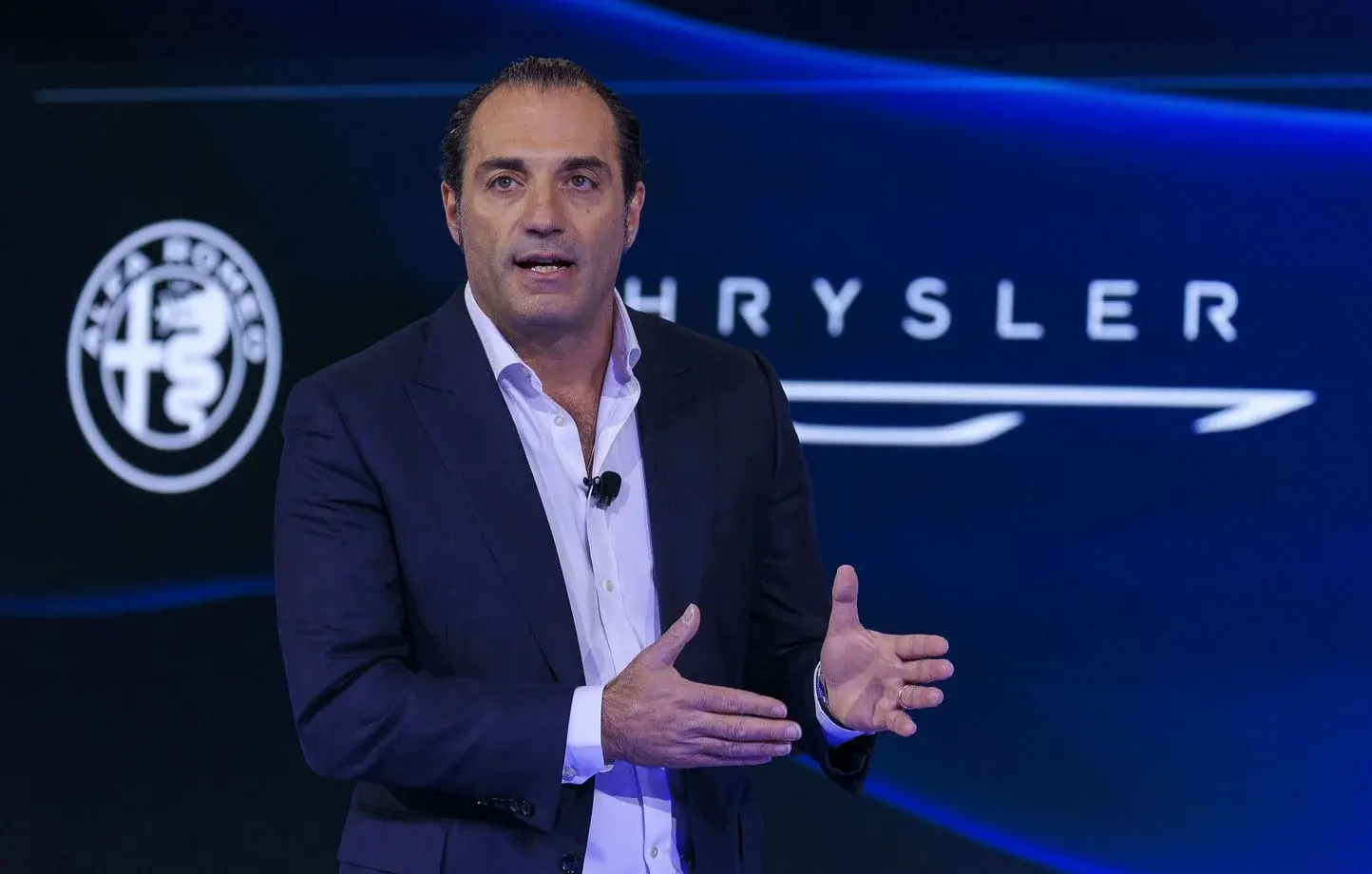
Filosa’s management has already introduced some corrections compared with the previous phase, reducing EV production in the United States, bringing combustion engines back into focus and launching a nearly €25 billion balance-sheet cleanup that heavily affected 2025 results.
However, the plan expected at Capital Markets Day should mark a more structural shift, with Chinese partnerships as the main strategic lever to regain competitiveness on costs, technology and development times.
The agreement with Leapmotor already includes production of models at the Spanish plants in Madrid and Zaragoza, with the possibility of using the Chinese automaker’s technology for future Opel vehicles as well. Stellantis is also reportedly considering transferring the Madrid plant to the joint venture, which the group controls with a 51% stake.
On the Dongfeng front, its historic partner in China, the two companies will invest together in the Wuhan plant to build Peugeot and Jeep models for international markets. According to some reports, forms of sharing or transfer involving other European sites cannot be ruled out, including La Janais near Rennes and some plants in Italy and Germany, although Stellantis has not confirmed these scenarios.

At the same time, the group could concentrate resources on the brands considered most important for volume and margins: Jeep, Ram, Peugeot and Fiat. Brands such as Opel, Citroën and Chrysler could receive a more limited role based on region or segment. For now, no definitive closures are being discussed.
Several analysts consider the direction reasonable, but they still see points that need clarification. The North American relaunch could also involve the return of high-margin models with V8 engines, although that choice will depend on demand, regulations and local taxation.
In Europe, the challenge appears even more complex, with regulatory pressure, high production costs and excess industrial capacity. Chinese alliances may become an important lever, but on their own they are unlikely to solve weaknesses the group has carried for several quarters.