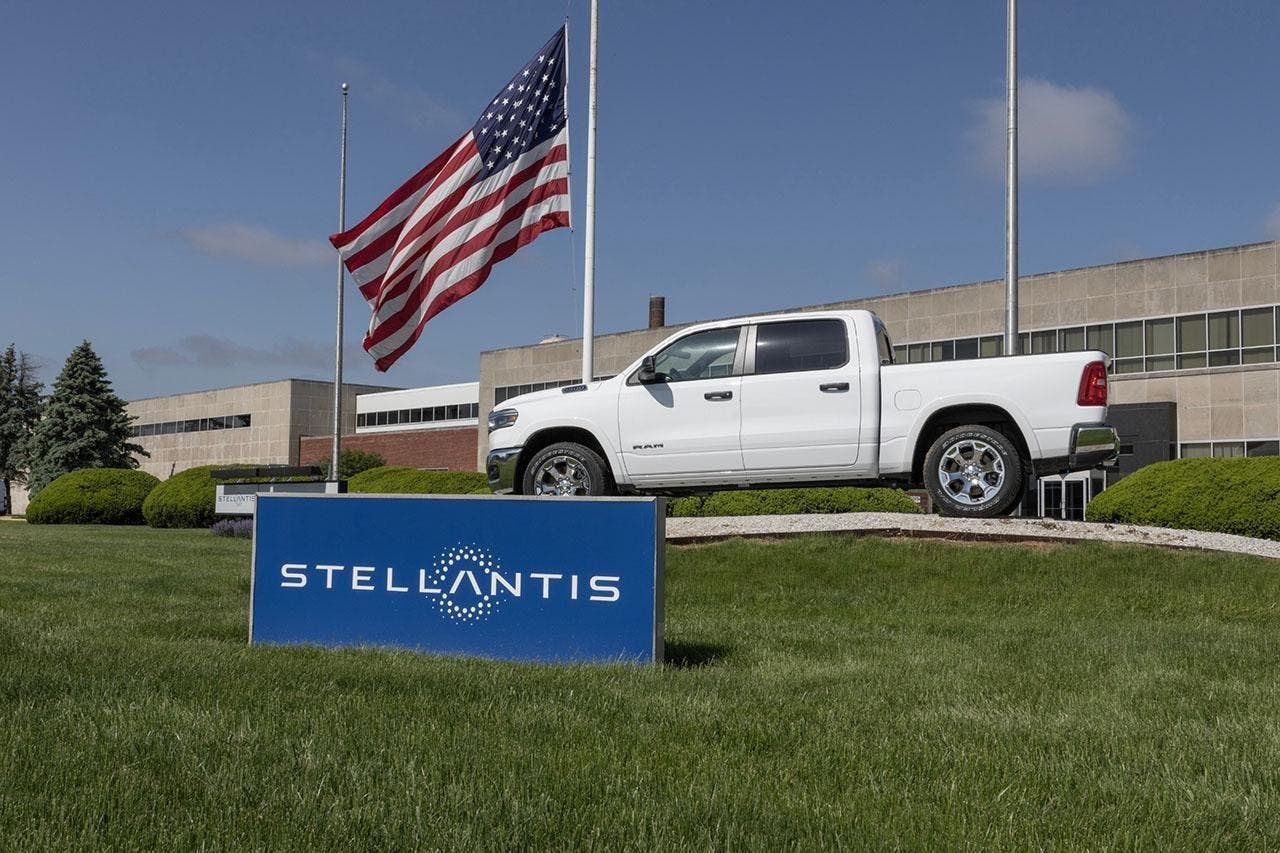
In recent weeks, Stellantis has returned to the center of debate with a strategy that moves on two levels that only appear contradictory. On one hand, the group has decided to bring seven diesel models back into the lineup across Opel, Peugeot, Citroën and Alfa Romeo. On the other, it is accelerating its industrial expansion in the United States, now seen as a more stable and predictable market.
Stellantis revives diesel lineup and shifts industrial focus to the US
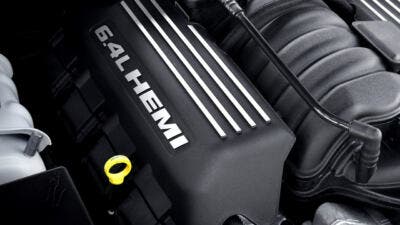
The return of diesel in Europe shows how Stellantis has shifted its strategy. Diesel still represents about 15% of the European vehicle fleet and remains crucial in the light commercial vehicle segment, where Stellantis holds close to a 29% share, supported by models such as the Fiat Ducato. With revised environmental targets moving from full to 90% decarbonization, the group is using available regulatory space while maintaining a technical solution that continues to deliver volume and margins.
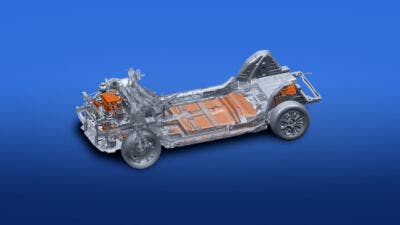
Electric vehicles remain a core part of the strategy, though with a more cautious approach. CEO Antonio Filosa, in a joint letter with Volkswagen’s Oliver Blume, stressed that the transition depends on incentives, protection of the domestic market and consistent industrial investment. Without clear political direction, the shift to full electric proceeds carefully.
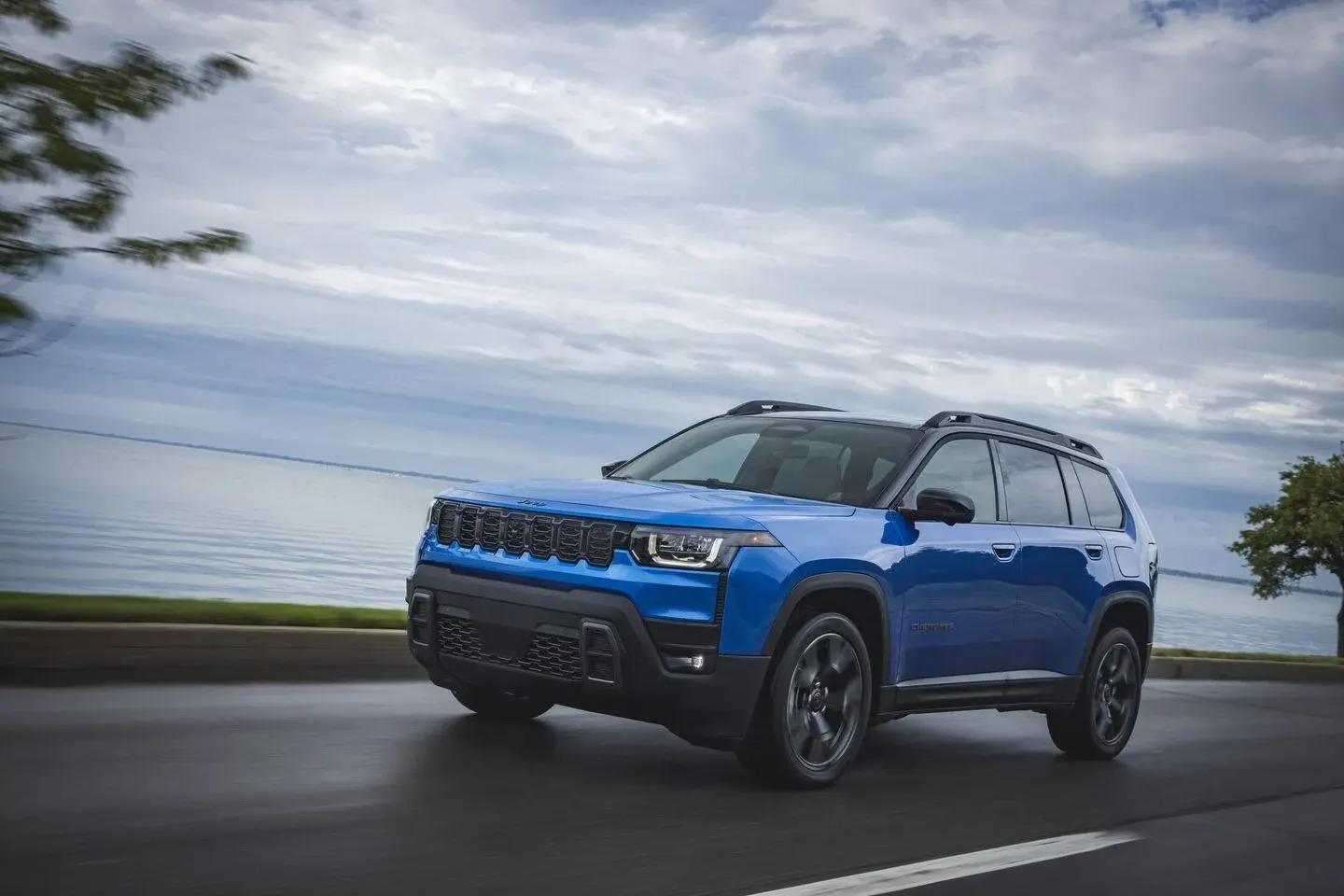
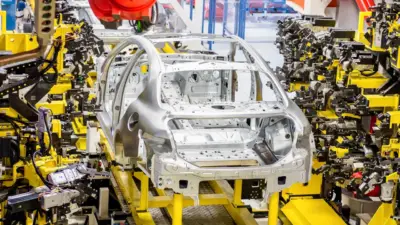
Meanwhile, the center of gravity continues to move toward the United States. Stellantis has committed $13 billion to strengthen its presence across the Atlantic. Plans include reopening the Belvidere plant in Illinois for production of the Jeep Cherokee and Jeep Compass, while facilities in Michigan, Ohio and Indiana will support new expansion programs. The plan also includes $22 billion in extraordinary charges aimed at restructuring and adapting production lines to new market trends.
For now, the data seem to support this direction. In the fourth quarter of 2025, global shipments reached 1.5 million units, with strong growth in North America and market share rising toward 8%. In a complex global landscape, Stellantis is choosing flexibility and pragmatism. Today, between Brussels and Washington, the American axis appears the most solid.