

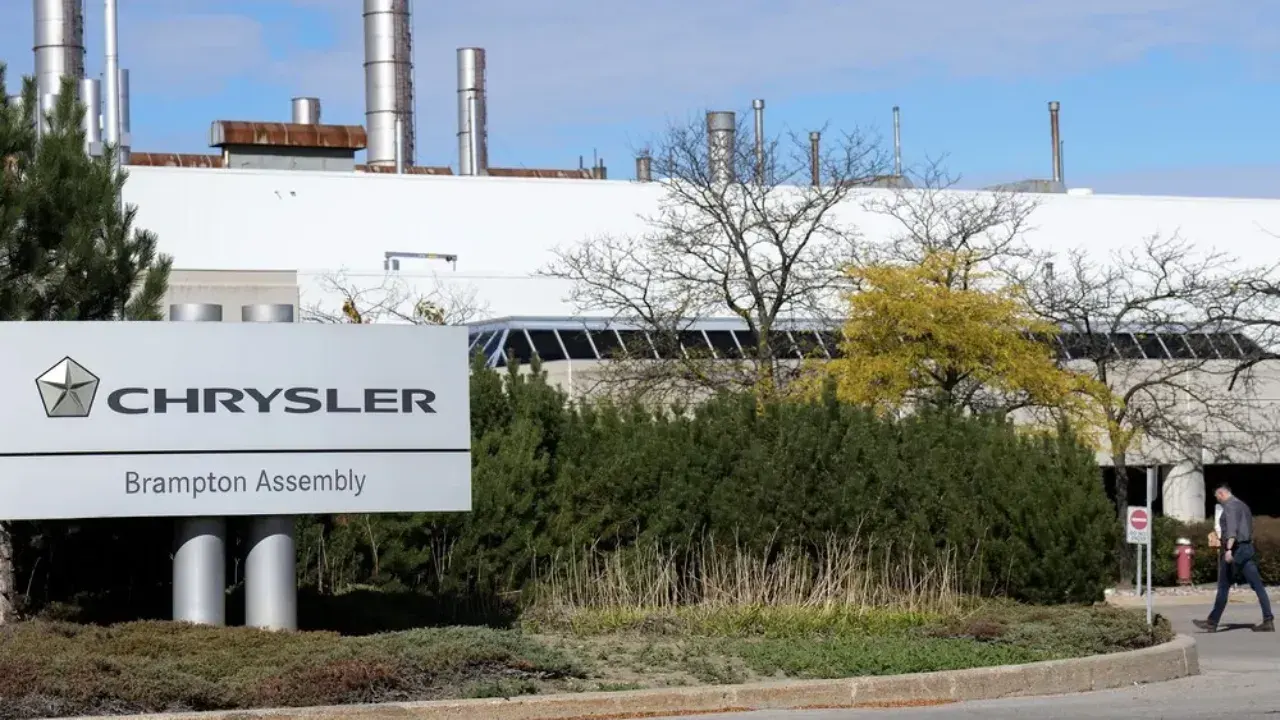
Trade tensions between Canada and the United States have put pressure on North American auto plants, and the Brampton facility in Ontario now stands at the center of a complex situation involving Stellantis, the Canadian federal government and the Unifor union. The site remains idle after the group decided to move production of the future Jeep Compass SUV to Belvidere, Illinois, as part of a $13 billion investment strategy aimed at strengthening operations in the United States and avoiding tariffs.
Stellantis and Canada in talks over Brampton plant future amid trade tensions
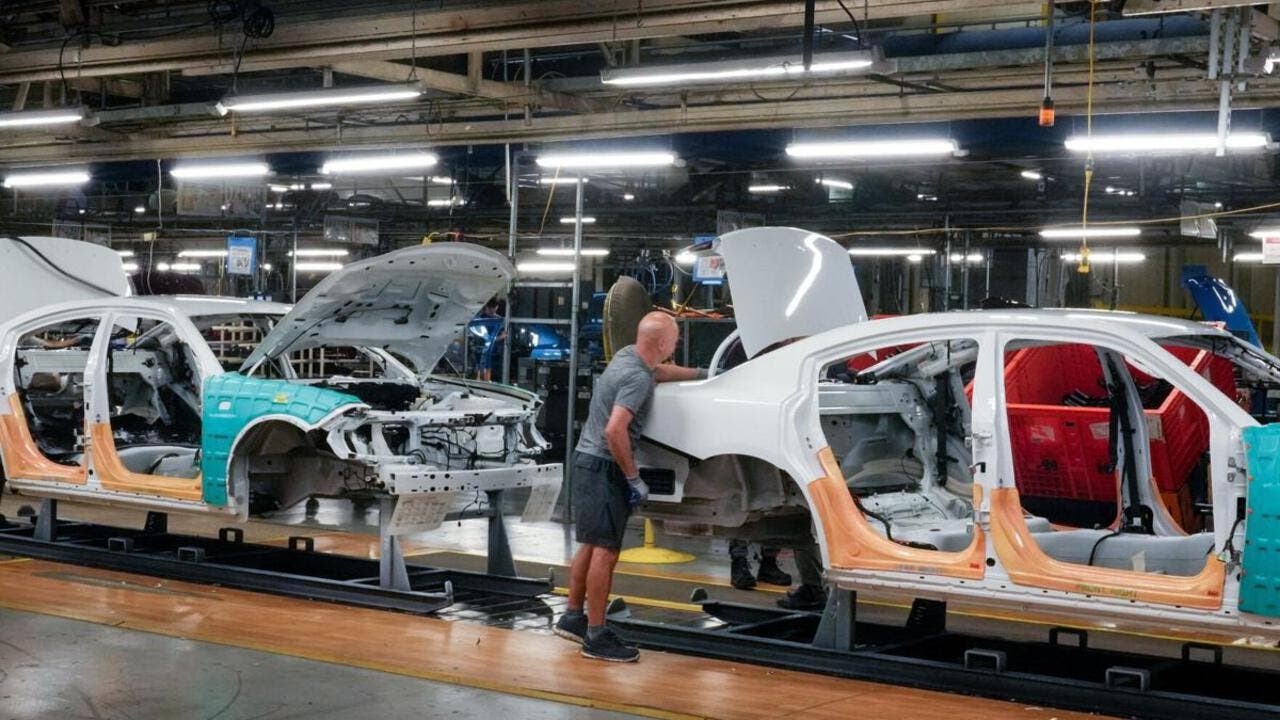
The decision affected 3,000 Canadian workers and triggered a response from Ottawa. The government led by Prime Minister Mark Carney reacted by limiting the number of US-built vehicles Stellantis can import without facing countermeasures. Retaliatory tariffs followed duties introduced by the Trump administration last year, although Canada created exemptions for companies that maintain production and investment within the country.
Industry Minister Mélanie Joly considered legal action against Stellantis over the production shift and pledged to recover any public funds granted to the company. Last week, Carney presented the government’s new automotive strategy, designed to protect and attract investment from automakers.
Trevor Longley, President and CEO of Stellantis Canada, addressed the situation during an interview with Bloomberg TV at the Canadian International AutoShow in Toronto. He confirmed that negotiations with the federal government and Unifor remain ongoing. “We continue to work proactively with our government, as well as with the union representing Brampton workers,” he said. “That means we will find solutions to the tariff situations that have been imposed.”
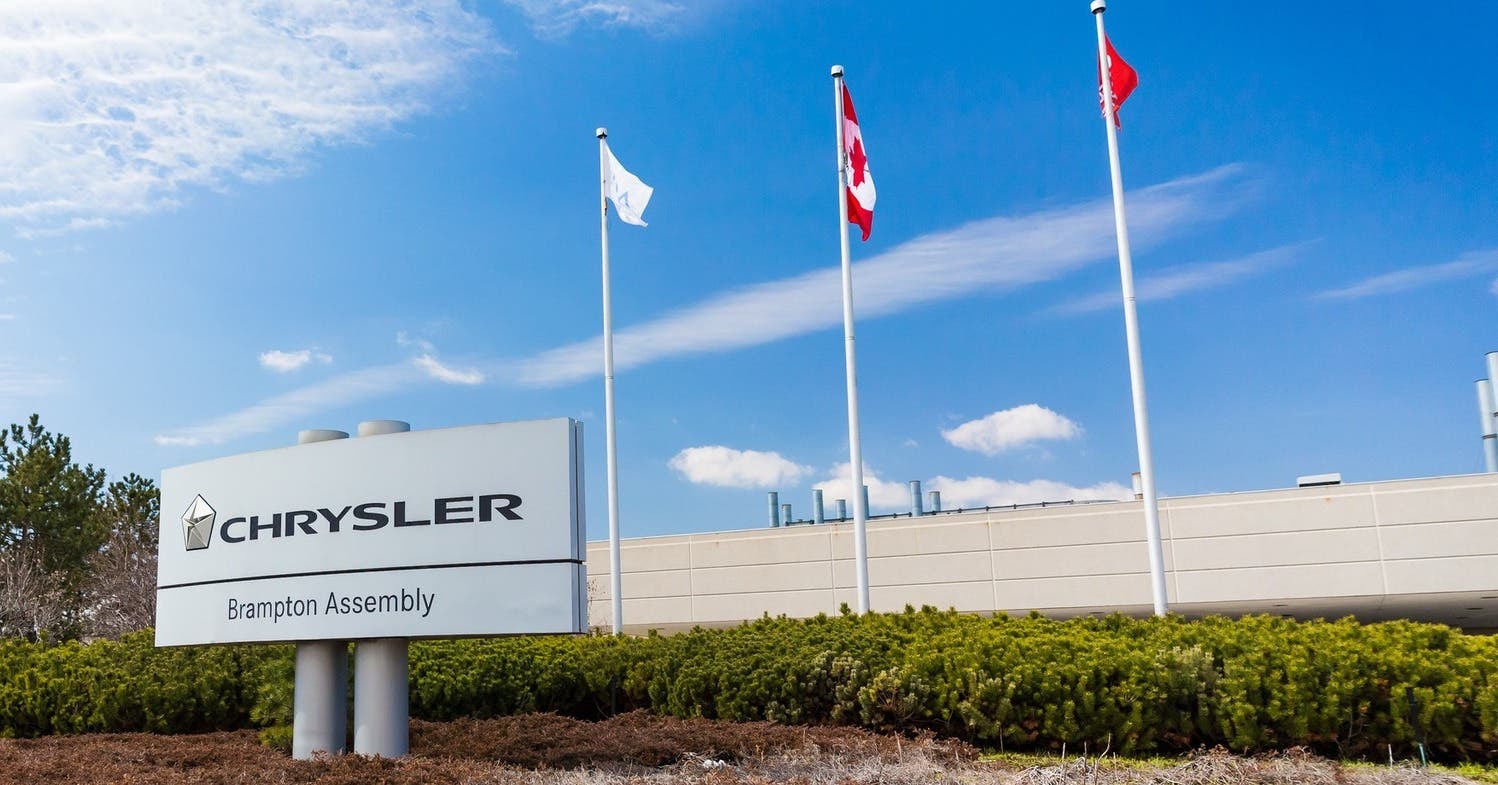
Stellantis continues to evaluate which future models could be assigned to the Brampton plant. The stated goal involves finding a sustainable solution for the facility. Longley reaffirmed the company’s long-standing commitment to Canada, noting that Stellantis has built vehicles in the country for a century and intends to maintain that presence in the decades ahead.
Regarding Canada’s new automotive strategy, Longley said more details remain necessary for a full assessment, but added that “anything that protects the Canadian industry and Canadian automotive production represents a positive move.”
He also pointed to a broader structural issue beyond recent tensions. “For many years, importing cars into Canada proved more cost-effective than building them locally, and we have invested heavily in this country. We want to ensure we can continue to do so in the future,” he concluded. Meanwhile, to demonstrate its commitment to Canada, Stellantis has just announced the return of a third production shift at the Windsor plant.