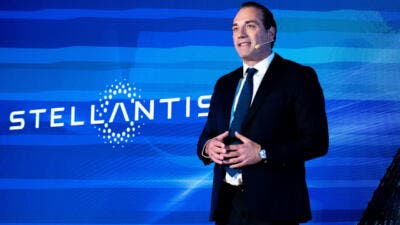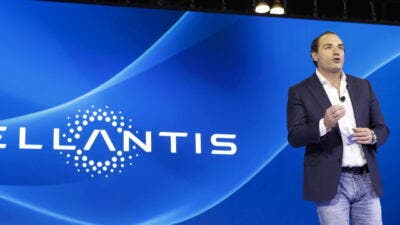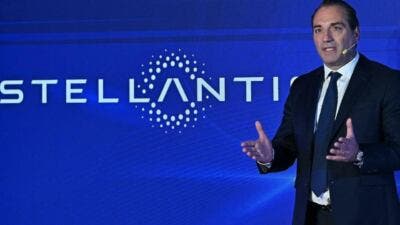
The European “elite” swore on a stack of EV batteries that internal combustion engines would be entirely extinct by 2030. Well, fast forward and that grand promise has quietly evaporated into thin air. Enter Stellantis and its European chief, Emanuele Cappellano, who recently sat down with the French press to pitch a magical corporate savior: “flexibility”. Flexibility is the polite euphemism for “we have absolutely no idea what regulators will do next, so we are keeping our options open”.
Cappellano frankly admitted that while North America currently serves as the group’s reliable cash cow, Europe is not being entirely abandoned to its own fragile, anxious devices. To prove Stellantis still cares about the Old Continent, Cappellano whipped out some heavy numbers: over 10 billion euros injected into France alone over the past five years.
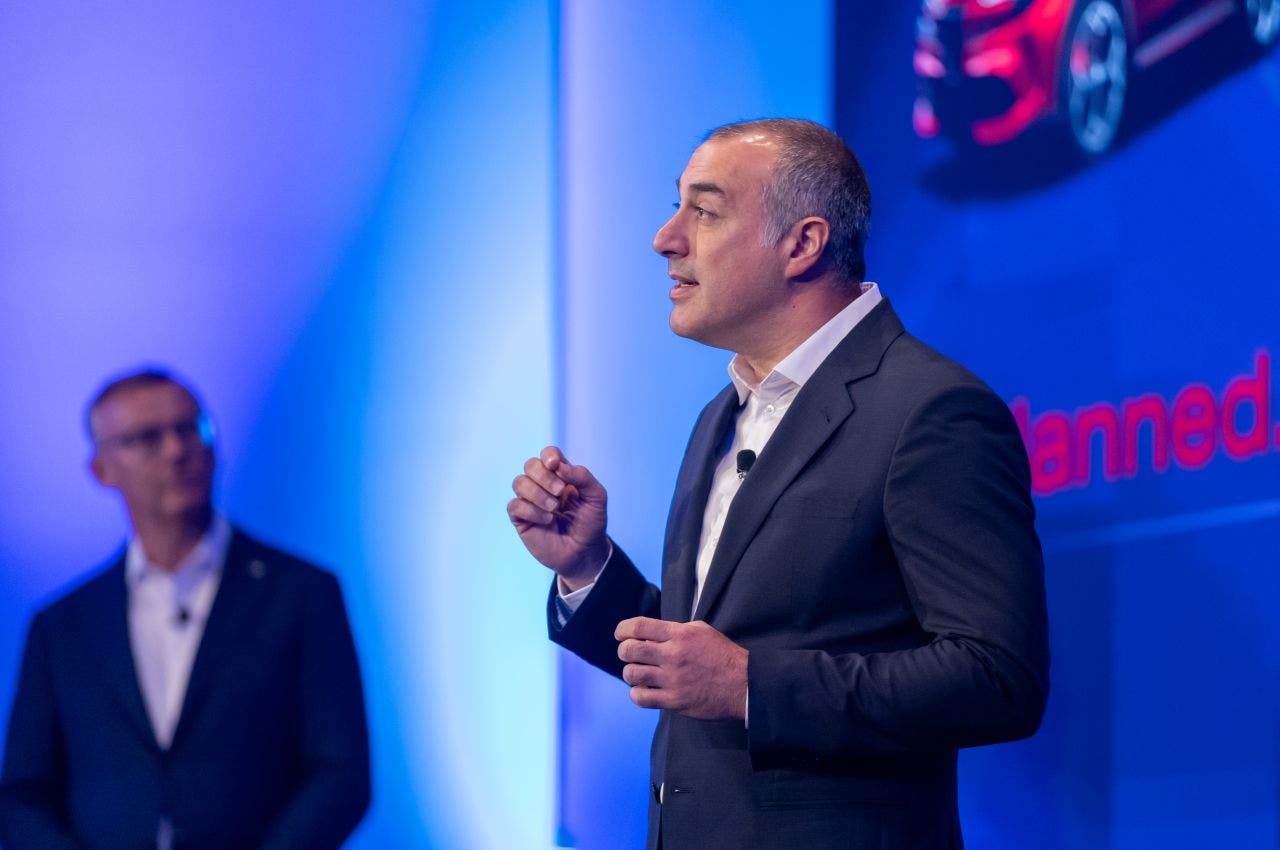
The automotive giant still commands a sprawling empire of 22 European factories, with 12 neatly packed into French territory. Management claims they want to avoid brutal, overnight closures, but there is a massive, 800,000-vehicle elephant in the room. That is the current annual overcapacity haunting their assembly lines.
The antidote to this industrial headache is supposed to be the new STLA One platform. This modular, electric-first architecture is destined to underpin a massive wave of future B, C, and D-segment models, targeting one million units by 2030. However, do not expect a forced march into pure electrification. Cappellano openly confessed that he doesn’t believe the market will be 100% electric by the end of the decade. Instead, Stellantis is hedging its bets by spreading investments across pure EVs, hybrids, plug-ins, and traditional gas-guzzlers, depending entirely on which way the political winds blow in Brussels.
To survive this transition without going broke, Stellantis is playing a double game with Beijing. After marrying Leapmotor, the group is now flirting with Dongfeng for controlled joint ventures. The strategy is simple: tap into cheap Chinese tech and slash production costs, all while fiercely declaring that anyone who wants to sell cars in Europe must build them in Europe.
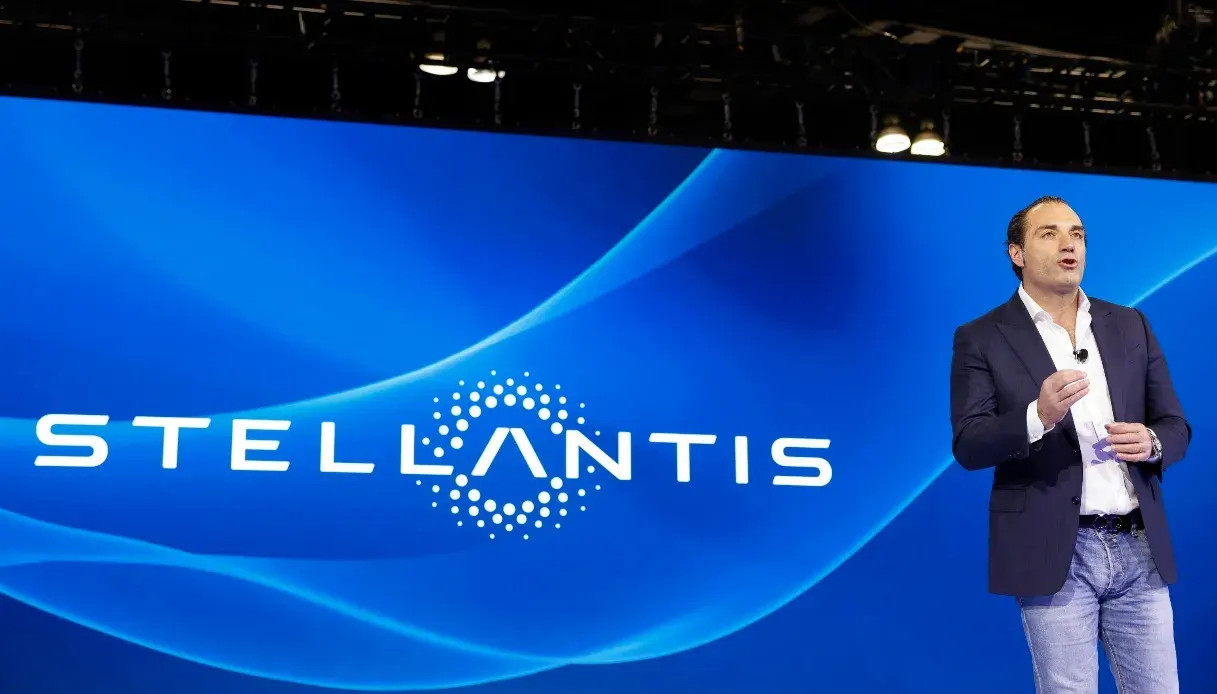
Meanwhile, the internal brand portfolio is getting a cynical makeover. Fiat will stick to chic little runabouts, Peugeot will play the generic European vanguard, and Citroën will handle the budget-friendly family buyers. Even the struggling DS brand gets a stay of execution, surviving a corporate merger with Citroën because closing it would mean admitting defeat. And for the ultimate nostalgic distraction? The iconic Citroën 2CV is being resurrected as a cheap, minimalist EV.