


Europe has finally blinked in its staring contest with the internal combustion engine. Brussels is moving away from a total ban on traditional motors by 2035, opting instead for a 90% reduction in CO2 emissions compared to 2021 levels. It’s a classic European maneuver. A compromise that manages to annoy environmentalists while leaving automakers like Stellantis scratching their heads in confusion.
This shift introduces the concept of technological neutrality, a fancy way of saying “we don’t care how you do it, just stop polluting so much”. This opens the door for advanced hybrids, hydrogen, and e-fuels, moving away from the “EV or bust” mentality. However, Stellantis is already sounding the alarm, particularly regarding light commercial vehicles. It turns out that for the small and medium enterprises that form the backbone of the European economy, a van that takes four hours to charge and costs as much as a small house isn’t exactly a “competitive advantage”.
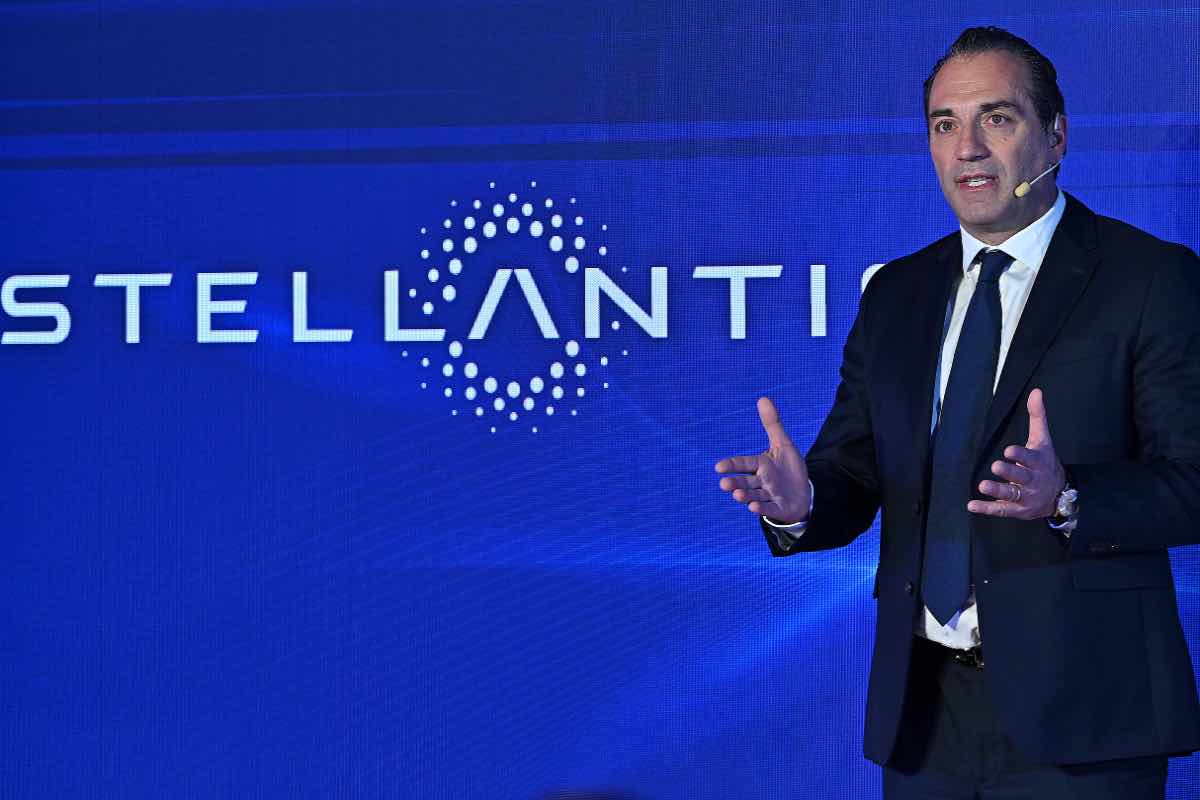
The reality is that for logistics and work fleets, high purchase costs and limited range remain massive hurdles. Without a serious plan for charging infrastructure and structural incentives, the transition for light commercial vehicles risks stalling entirely. Stellantis argues that while the openness to alternative fuels is a nice gesture, the structural issues remain unresolved.
Of course, not everyone is celebrating this newfound “pragmatism”. Environmental groups are crying foul, while manufacturers are begging for more time and money. Yet, there is a silver lining for those who see the glass as half full. The new strategy promotes more affordable electric city cars and aims to strengthen the European battery supply chain, which might actually help urban adoption.
Ultimately, the decarbonization game will be won or lost on the balance between environmental goals and industrial survival. Europe needs to stop dreaming in spreadsheets and start focusing on the real-world needs of businesses. Whether through e-fuel standardization or hydrogen refueling stations, the goal is to turn this transition into an engine for growth rather than a lead weight on the continent’s economy.