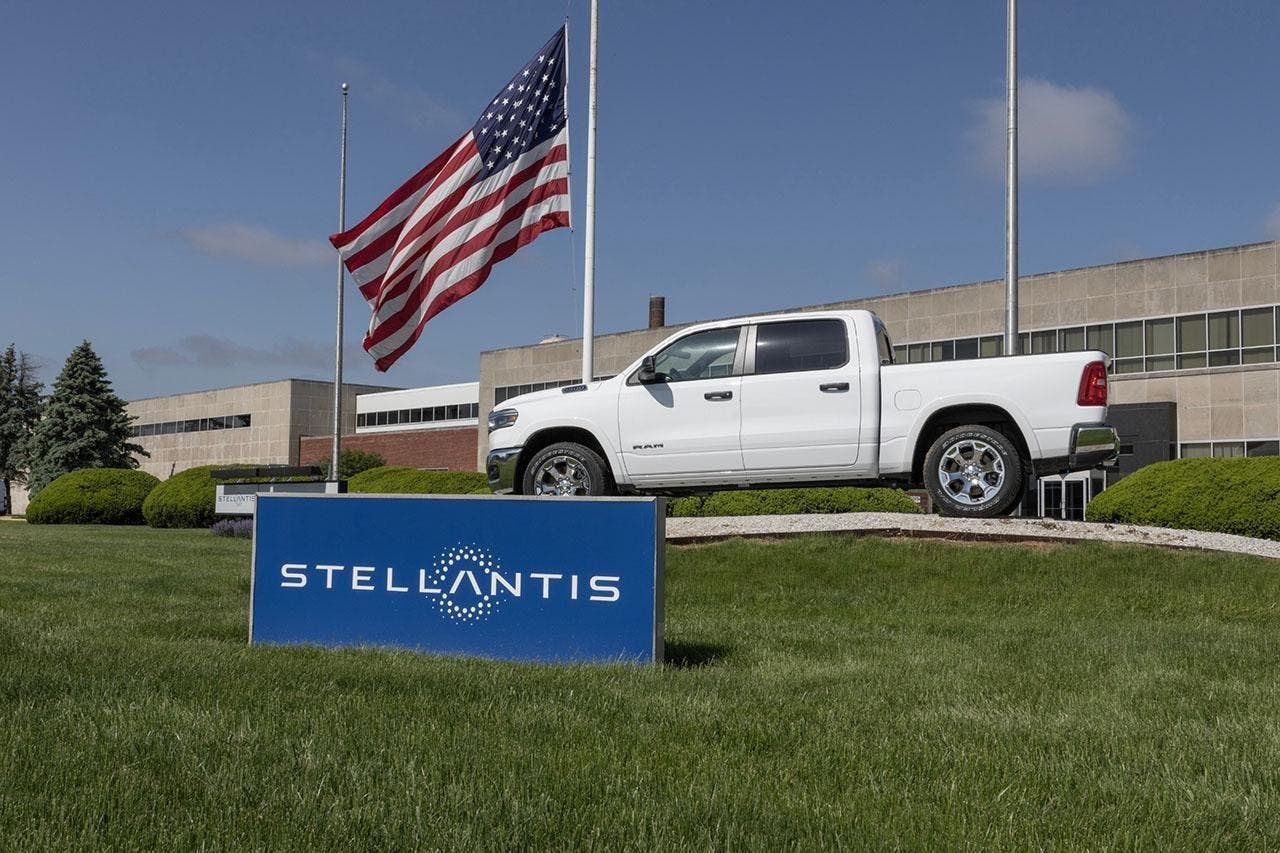
Stellantis dropped a $26.2 billion bomb on Friday, most of it in writedowns and cash payments for canceled EV products and downsized supply chains. The stock promptly nosedived 30 percent. Call it a “reset” if you like. The rest of us might call it what happens when you bet the farm on a revolution nobody showed up for.
James Fredal, general manager at Findlay Chrysler Dodge Jeep RAM in Toledo, wasn’t exactly devastated by the news. “We’re not an EV dealership”, he said, with the satisfaction of someone who saw the iceberg before the Titanic did. His lot now moves twelve used cars for every new vehicle.
Stellantis isn’t alone in this costly about-face. Ford and GM have executed similar retreats in recent weeks, all of them responding to the harsh reality that Biden-era environmental regulations and California’s combustion engine ban fantasies didn’t translate into actual customer demand. Then Trump rolled in, revoked emission standards, killed EV subsidies, and suddenly the whole house of cards looked a lot less sturdy.
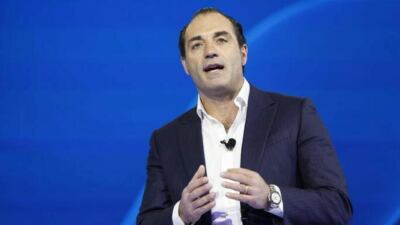
CEO Antonio Filosa framed the debacle delicately: the $26.2 billion reflects “largely the cost of overestimating the pace of the energy transition”. Translation? We thought people wanted this. They didn’t.
The company now insists the shift to EVs “must be driven by demand rather than imposition”, championing what it calls “freedom of choice”. A noble principle, apparently discovered only after lighting billions on fire.
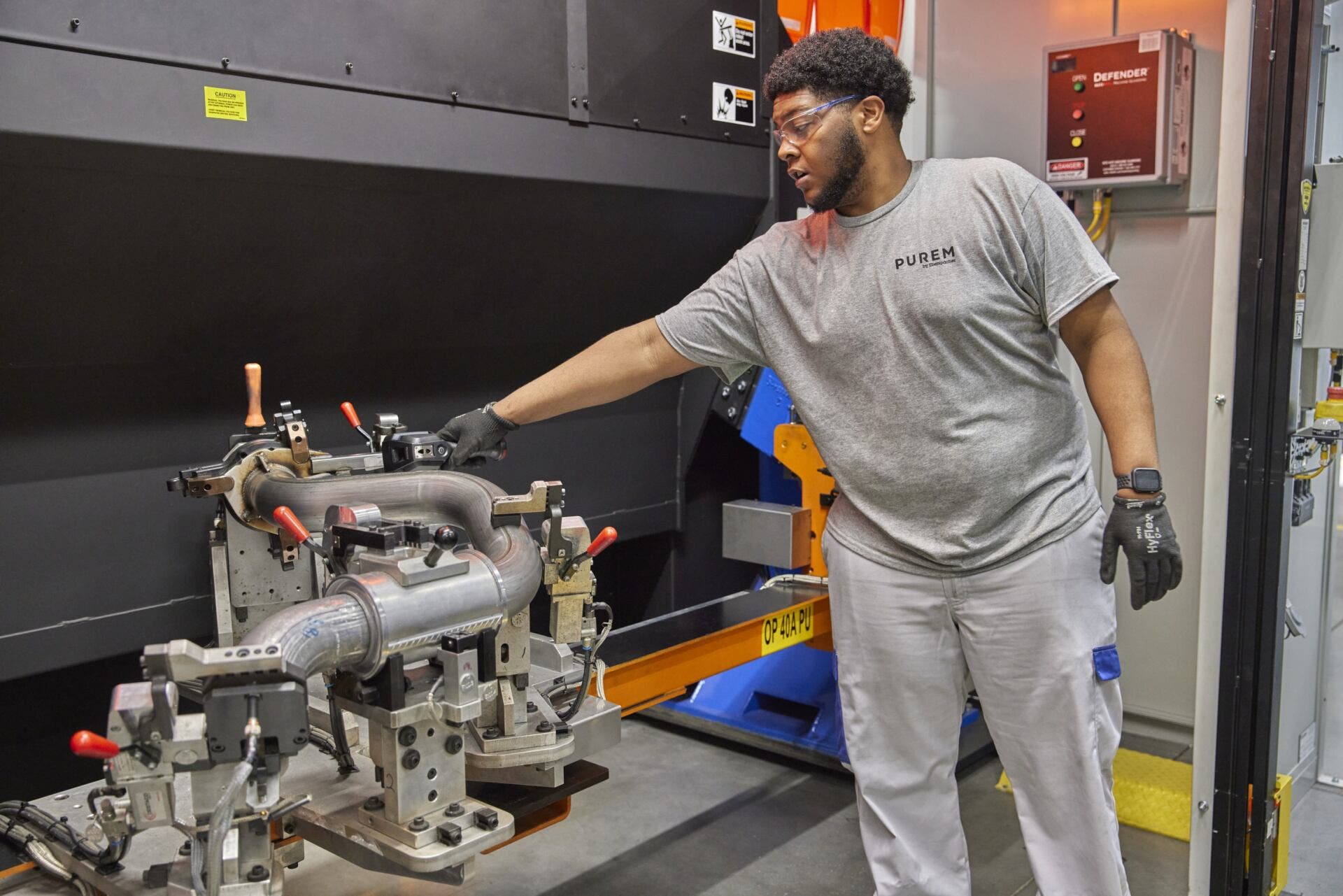
Tom Maenle, a Jeep enthusiast and director at Eberspächer Purem, which makes exhaust systems for combustion engines, put it bluntly: “We were sold down a river that turned into a waterfall”. His company deals with bankrupt suppliers now, casualties of an all-or-nothing gamble that assumed the market was ready for something it demonstrably wasn’t.
Even Europe is backing off. The EU’s 2035 combustion engine ban now applies to only 90 percent of new vehicles, a December concession to automakers who realized charging infrastructure and consumer enthusiasm weren’t keeping pace with regulatory fantasy.
Stellantis promises $13 billion in US investment over the next four years. Whether that’s optimism or damage control remains to be seen. Either way, the lesson seems clear: selling people what they actually want beats forcing them toward what they supposedly should.