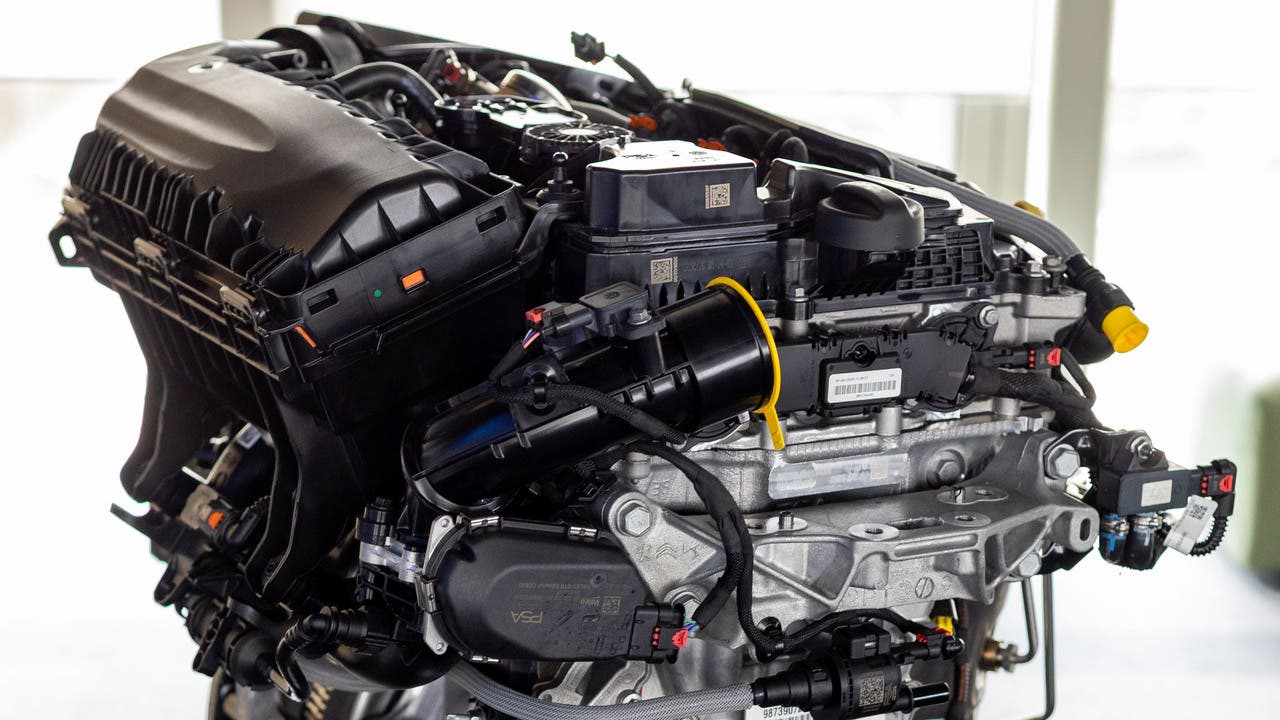
For years, Stellantis’ 1.2 PureTech three-cylinder engine was a recurring nightmare for anyone who mistakenly believed a timing belt shouldn’t live in a disintegrating bath of engine oil. Designed to offer low fuel consumption and solid performance, it mostly succeeded in melting car owners’ sanity, driving them into service bays, and single-handedly destroying market trust.
Now, Stellantis is rolling out the Turbo 100. While the toxic PureTech moniker might still linger on future full-hybrid spec sheets like an uninvited ghost, the group’s sharp U-turn with this new power unit is painfully obvious.
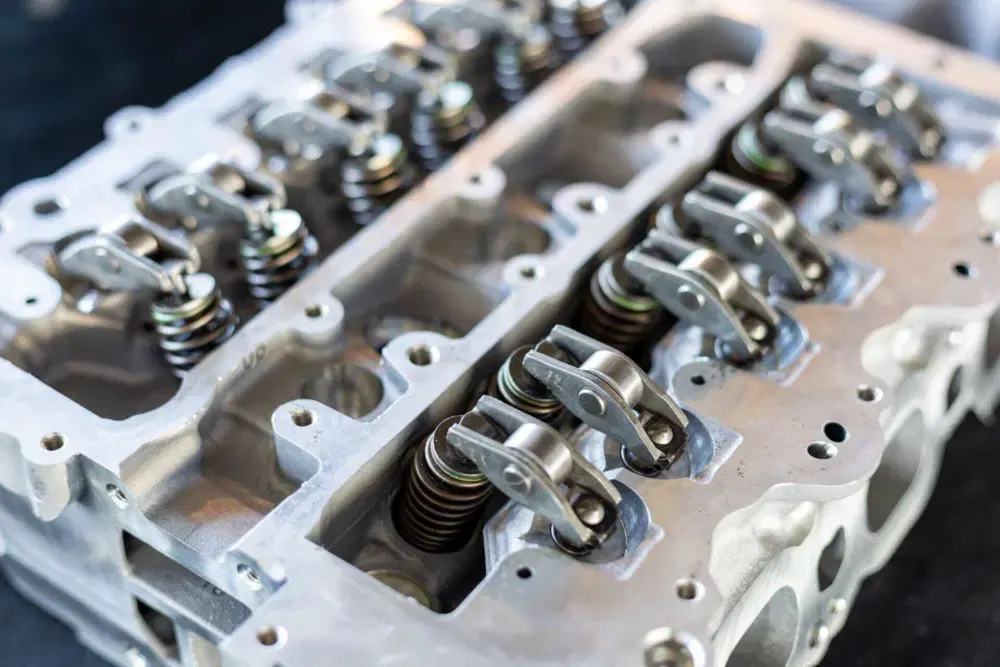
They might actually have a case this time, given that a staggering 70% of the components are entirely new. This isn’t a quick software patch or a lazy cosmetic cover-up; it’s an extensive engineering overhaul forced by years of bitter consumer protests. To fix the notorious oil-consumption issues Stellantis reengineered the pistons and reinforced the oil separator with heavy-duty internal valves. The engine block has been beefed up, and the cylinder head now features finger followers instead of standard bucket lifters, adopting the Miller cycle to help the engine survive the brutal stop-and-go misery of daily city traffic.
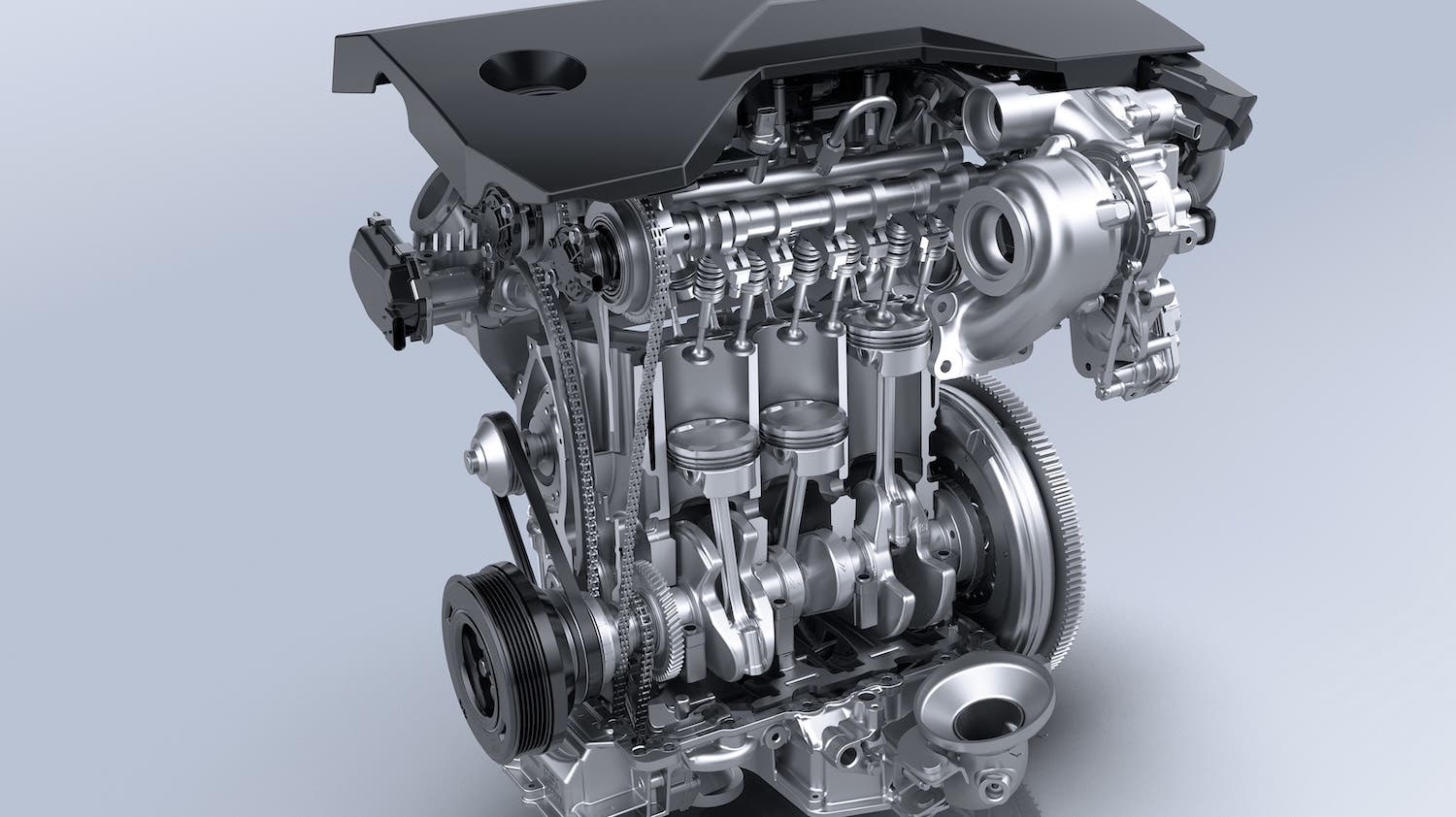
The performance side gets a serious shot of adrenaline to match the structural updates. Fuel injection pressure leaps from the old PureTech’s 250 bar to a massive 350 bar, delivering a sharper throttle response and cleaner combustion. This setup is paired with a variable geometry turbocharger, meticulously engineered to manage airflow and keep extreme exhaust temperatures from cooking the internal components. Stellantis proudly boasts that the Turbo 100 survived rigorous durability testing without self-destructing after 200,000 kilometers.
To truly win back a traumatized public that has learned to ignore marketing slogans, the automotive giant is deploying a defensive wall of extended warranties. New vehicles packing the Turbo 100 will benefit from a “Maxi Warranty” covering up to 8 years or 100,000 kilometers.
Meanwhile, the poor souls still driving the original, ticking-time-bomb PureTech models on the road are receiving a retrospective olive branch extended up to 10 years or 180,000 kilometers to mitigate their ongoing wet-belt anxiety.