In the United States, Stellantis has taken an extreme measure rarely used in the automotive sector: formally asking some customers not to drive their vehicles. The “do not drive” directive affects about 225,000 Chrysler, Dodge, Jeep and Ram models still equipped with defective Takata airbag inflators, a component at the center of one of the largest safety recalls ever recorded.
Stellantis issues “Do Not Drive” order for 225,000 vehicles in US
The Takata case stands as the largest safety action in US automotive history, with millions of vehicles involved over the years. Stellantis reported more than 6.6 million repairs completed in the past decade, covering about 95% of affected vehicles. However, some cars still circulate without the corrective repair, forcing the group to raise the alert level.
Owners had already received recall notices in the past, but the message has now become more urgent: do not drive the vehicle until replacement occurs. This strong request may cause inconvenience, yet it reflects a real safety risk.
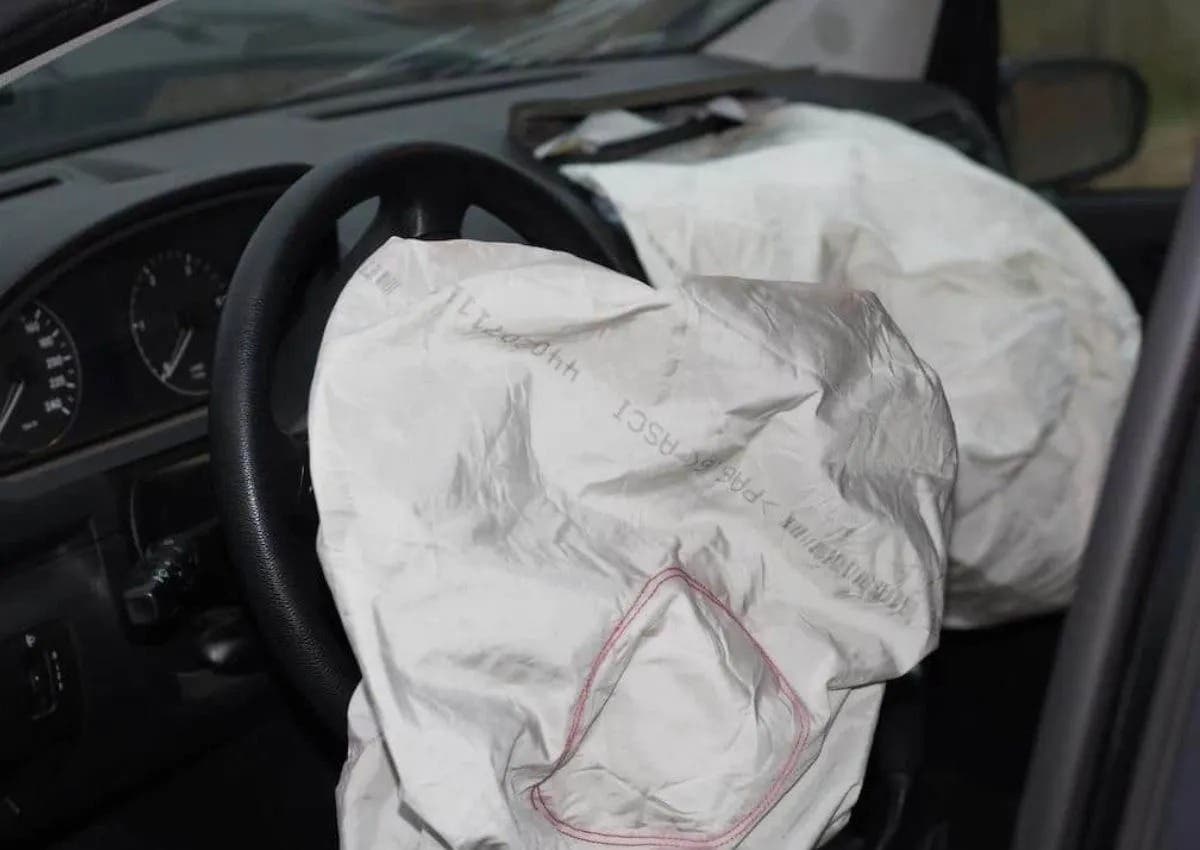
The issue concerns the airbag inflator device, which can deteriorate over time. The chemical propellant used in Takata inflators, especially under high heat and humidity, tends to degrade. In a crash, instead of deploying correctly, the system can rupture violently and send metal fragments into the cabin, turning the airbag into a potential hazard.
Stellantis explained that the directive aims to accelerate completion of repairs on remaining affected vehicles and protect owners and passengers from the risk of serious or fatal injury. The National Highway Traffic Safety Administration (NHTSA) has also emphasized the severity of the situation, linking defective inflators to 28 deaths in the United States and warning that even low-speed crashes can prove fatal.
The safety intervention is completely free and involves replacement of the inflator with a component that meets current federal standards. The priority now focuses on reaching the remaining 5% of unrepaired vehicles and closing one of the longest and most complex recall campaigns in modern automotive history.