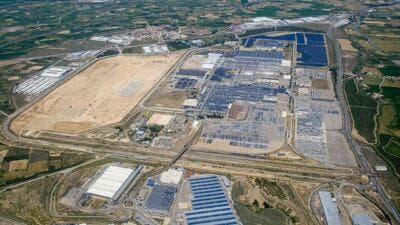
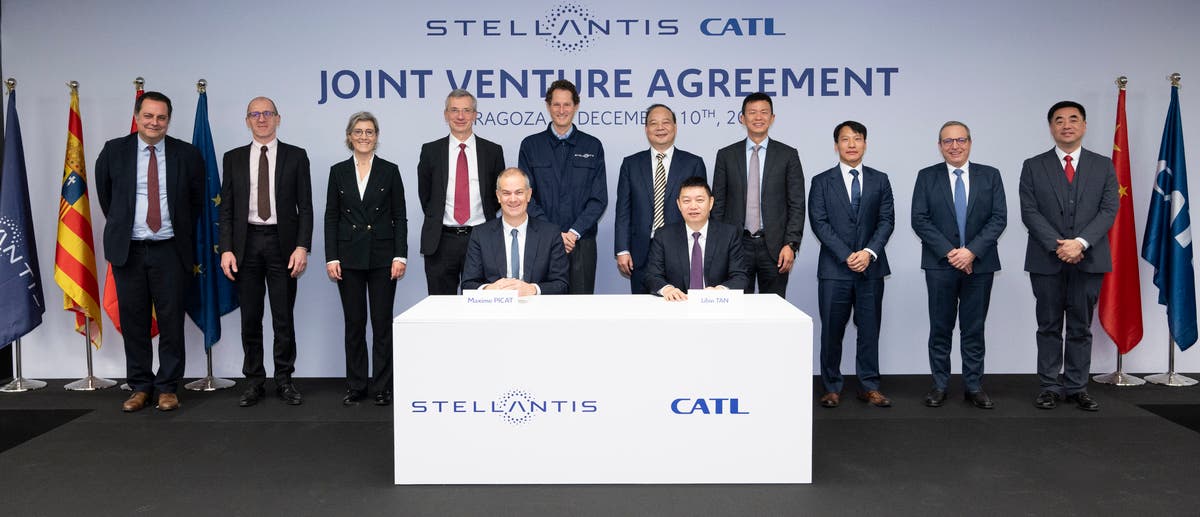
In Zaragoza, Spain, where Stellantis and Chinese battery titan CATL are constructing a mammoth €4.1 billion gigafactory, the high-tech expertise isn’t leaving Europe and it’s flying in from Ningde.
Up to 1,700 Chinese personnel, ranging from seasoned technicians to specialized assembly managers, are descending on the Aragon region. Their mission is to make the factory work. Unboxing state-of-the-art machinery is the easy part. Calibrating complex production lines, keeping scrap rates down, and ensuring volatile chemical processes don’t turn into expensive fireworks requires industrial muscle Europe simply hasn’t built yet. Having spent years building battery hubs worldwide, CATL holds all the cheat codes.
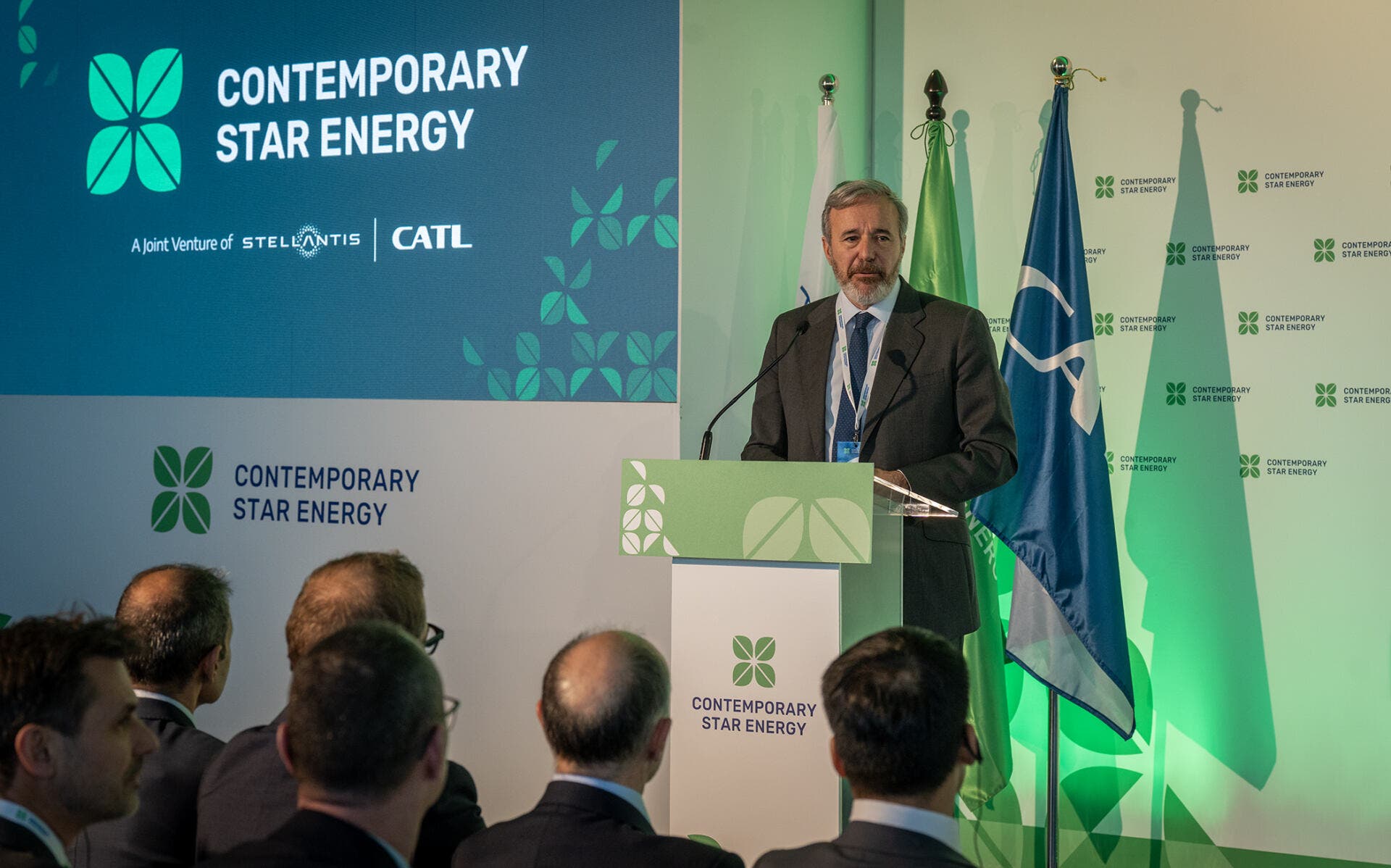
Regional President Jorge Azcón dropped this spicy reality check alongside Andy Wu, CEO of Contemporary Star Energy, the 50/50 joint venture behind the Spanish Stellantis site. While European politicians love preaching industrial self-reliance, roughly 10 percent of this €4.1 billion venture relies on Spanish public taxpayer funding, only for the technical heavy lifting to be imported.
Once the Chinese specialists get the lines purring, the plan is to hand over operations to roughly 4,000 local Spanish workers. They just have to absorb decades of battery manufacturing know-how on the fly.
Of course, no major European automotive milestone would be complete without a schedule delay. The initial target of cranking out battery packs by late 2026 has quietly slithered into early 2027. When the assembly line finally rolls, it won’t be churning out exotic solid-state miracles either. Instead, the plant will focus on Lithium Iron Phosphate (LFP) cells.
LFP chemistry lacks the flashy energy density of traditional Nickel Manganese Cobalt (NMC) packs, but it wins where legacy carmakers care most right now: survival and cost. LFP cells are durable, thermally stable, and roughly 20 percent cheaper. That 20 percent discount is the whole game. The tables haven’t just turned, they’ve been rewired entirely.