

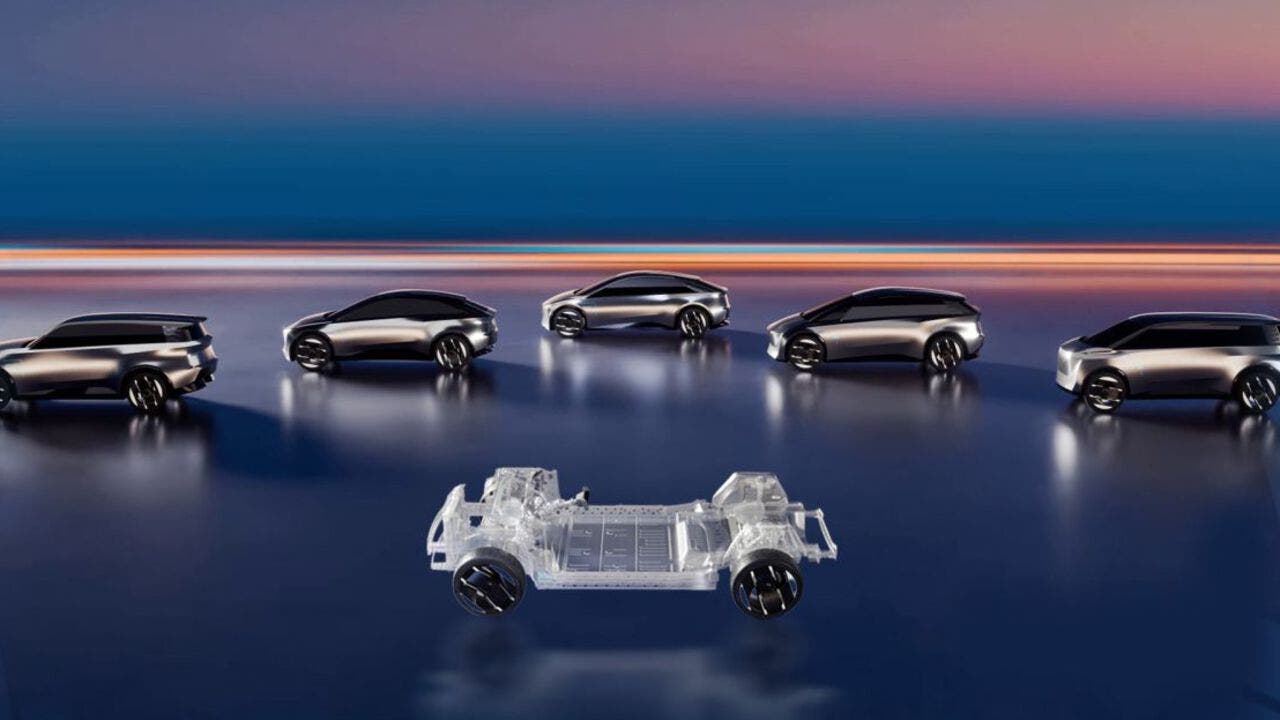
For years, Stellantis skipped right past the traditional full hybrid car market, gambling instead on a polarizing mix of barely-there mild hybrids, overpriced plug-in hybrids, and pure electric vehicles that normal buyers simply couldn’t afford. It was a bold, uncompromising strategy, right up until the cold reality of actual market demand hit the fan. Now, the automotive giant has suddenly discovered the joys of the self-charging hybrid.
During its 2026 Investor Day, Stellantis finally admitted what every daily commuter already knew: people want electrified cars, but they really don’t want to hunt for a broken charging station in the pouring rain.
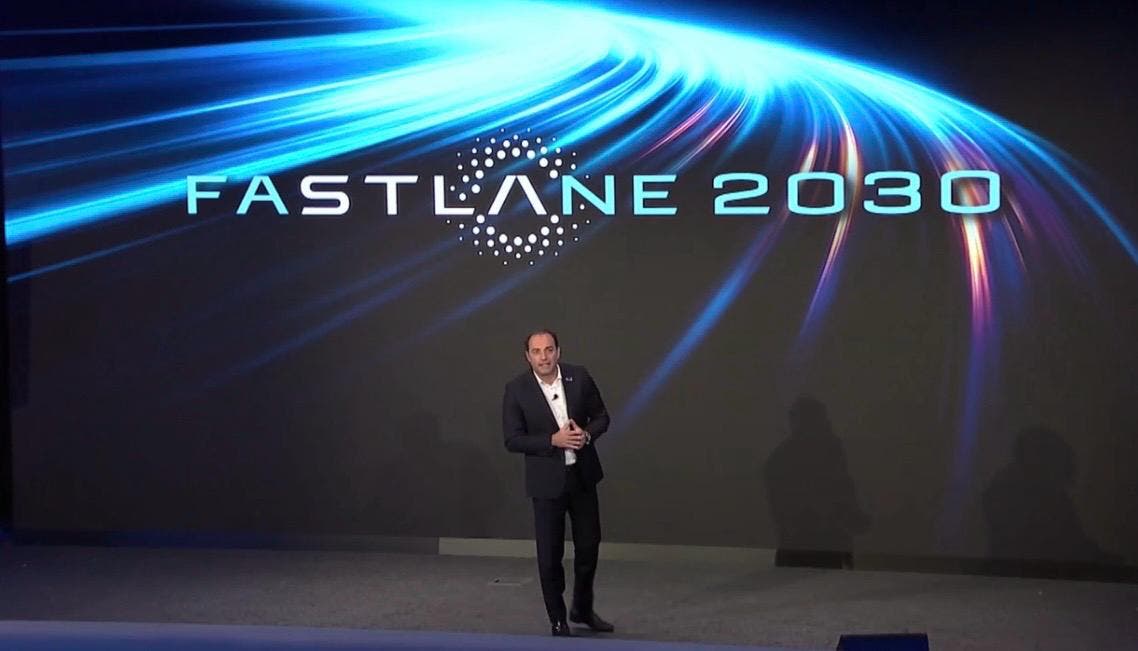
The Stellantis group announced a massive product offensive featuring 24 new full hybrid models globally by 2030, embedded within an avalanche of over 60 vehicle novelties. This isn’t just a minor portfolio tweak. It’s a fundamental course correction aimed straight at Europe and South America, regions where the electric revolution has noticeably stalled.
By injecting a larger battery and a genuinely useful electric motor into the drivetrain mix, these upcoming full hybrids will actually be capable of emission-free city driving without requiring a plug. The rollout will target the true bread-and-butter of the automotive market, Segments B, C, and D. This means your future daily driver, whether it wears an Alfa Romeo, Fiat, Jeep, Lancia, Citroën, DS, Opel, or Vauxhall badge, might finally achieve decent fuel economy without breaking the bank.
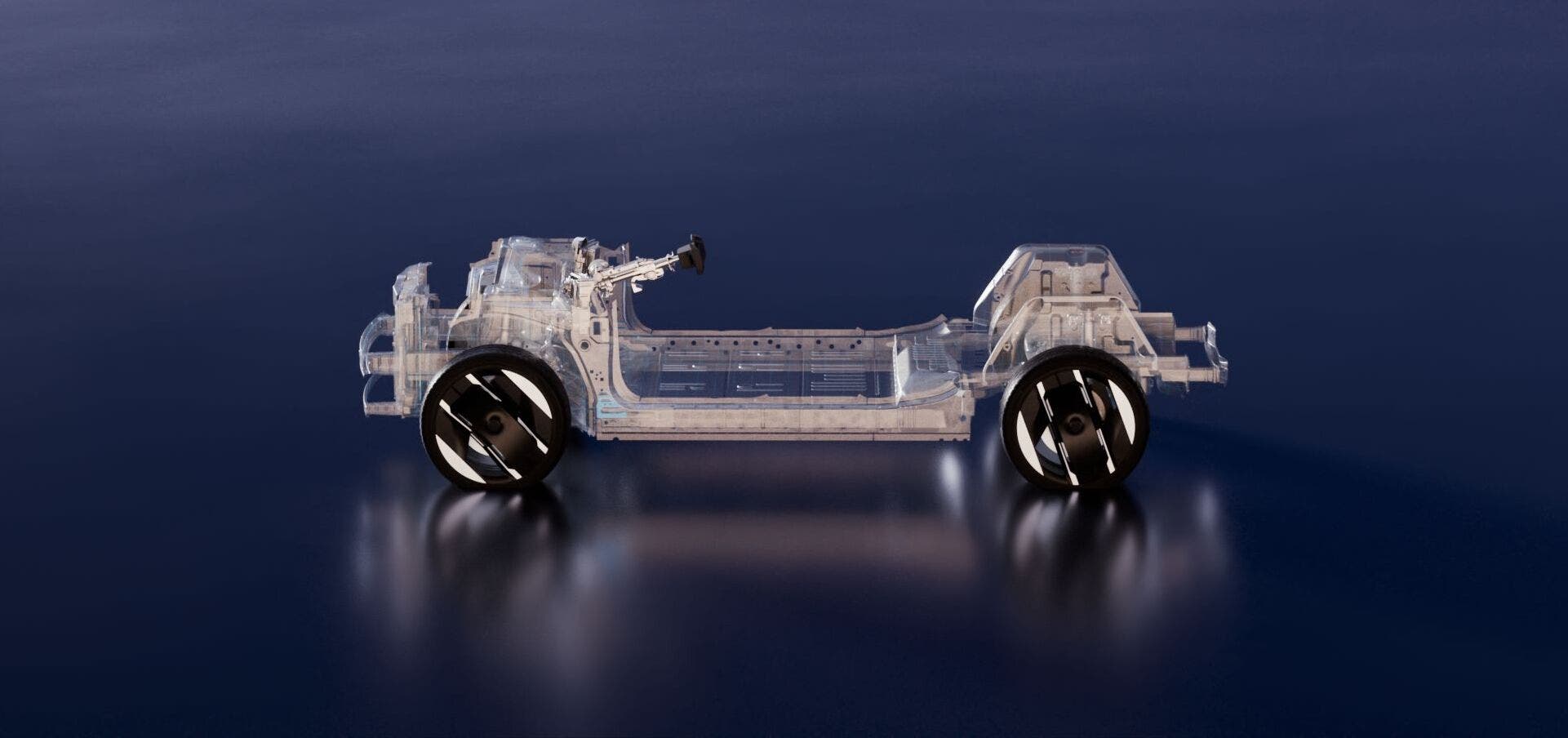
The technical backbone for this massive operation will be the upcoming STLA One platform, a modular, multi-energy architecture slated for a 2027 debut. It is a beautifully pragmatic confession that betting the entire house on a single powertrain was a terrible idea. Instead of forcing drivers into an electric future they aren’t ready for, Stellantis is finally building the practical, affordable cars people are actually asking to buy.