The merger between FCA and PSA created an automotive giant tasked with managing fifteen brands under a single corporate umbrella. This organizational and strategic complexity is something Antonio Filosa, Stellantis CEO, has repeatedly described as difficult to optimize. While historical relevance has so far prevented any brands from being dropped, the situation could change by 2026, as rationalization appears increasingly necessary to ensure the group’s long-term sustainability and efficiency.
Stellantis moves toward rationalization: four historic brands on the edge

The U.S. brands are showing signs of recovery, which seems to shield them from potential divestments or shutdowns. The risk instead concentrates on European brands, although some certainties remain. Fiat should be safe thanks to its strategic importance for Italy and the rollout of new models already planned. Peugeot enjoys a similar position in France, while Citroën has been regaining stability with its latest market launches after a difficult period.
The situation becomes critical for four other historic brands. DS, the premium marque born from Citroën, appears to be walking a fine line after failing to secure a solid position in its reference segment. Maserati, which has recently attracted interest from Middle Eastern investors, is going through a delicate phase marked by low sales and commercial results that have fallen short of expectations.
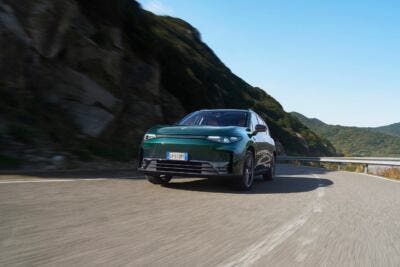
Lancia finds itself in a comparable position, with negligible sales volumes making the possibility of a divestment increasingly concrete. The relaunch plan built around a limited number of carefully selected models has yet to deliver the hoped-for results, leaving the brand extremely vulnerable within the Stellantis portfolio.
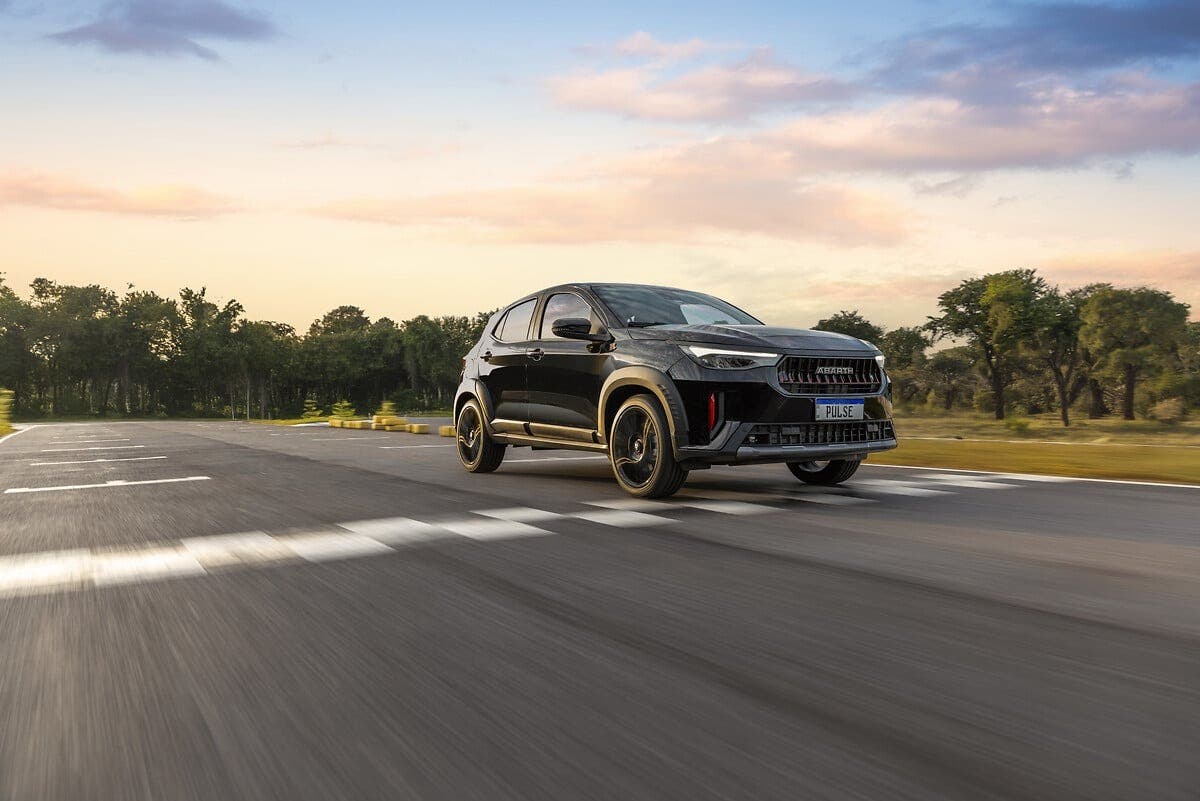
Abarth may represent the most emblematic case. The commercial failure of its electric models has virtually wiped out the brand’s effective market, leaving it without a compelling offering for customers traditionally drawn to high-performance cars powered by internal combustion engines.
At present, there are no official confirmations regarding potential divestments, nor have any potential buyers emerged for these brands. The final decision will rest with Stellantis management, which will need to balance economic considerations against the symbolic and historical value represented by each marque. It is a difficult choice that could reshape the European automotive landscape in the coming months.