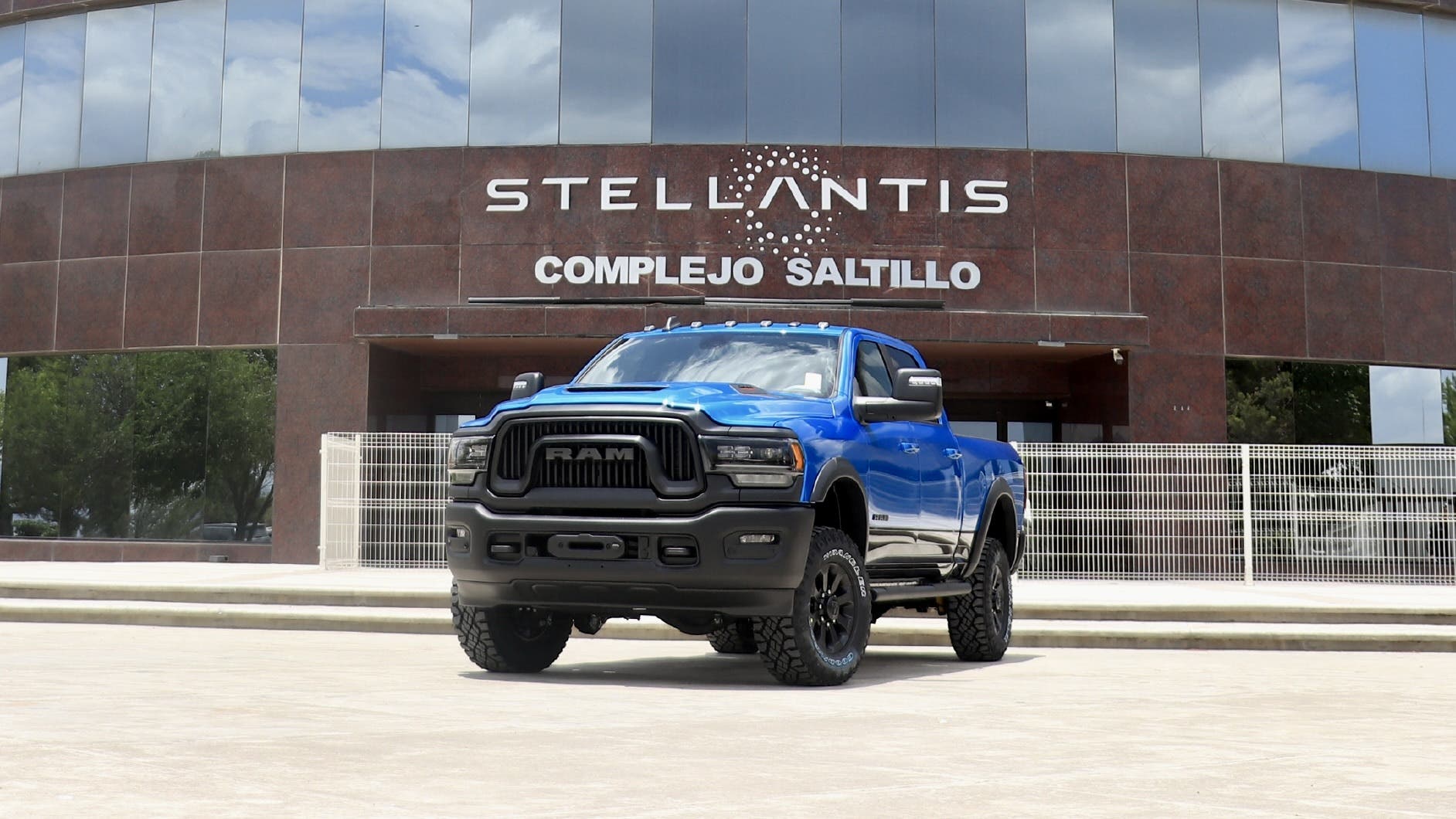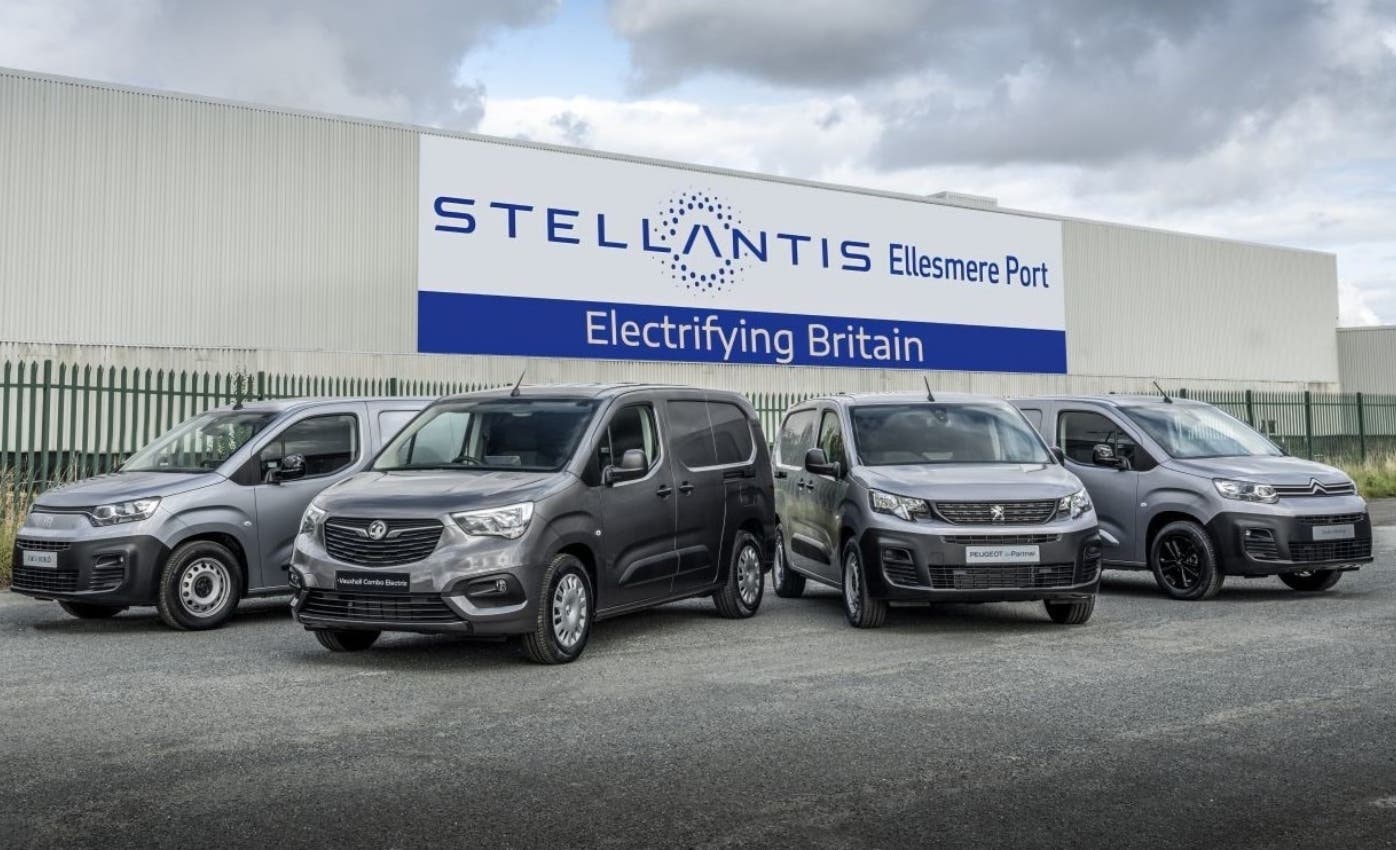
Stellantis will invest £50 million in the Ellesmere Port plant to begin production next year of the battery-electric versions of the Opel and Vauxhall Vivaro, along with other mid-size commercial vehicles. According to The Times, the amount is twice the originally planned investment and arrives at a moment when the site has gained growing importance in the group’s UK manufacturing network. This shift followed the closure of the Luton plant, which initially was expected to handle the production of the new vans, both electric and combustion-powered, before Stellantis decided to shut it down last year and restructure its industrial footprint in the country.
Stellantis to invest £50 million in UK electric van plant
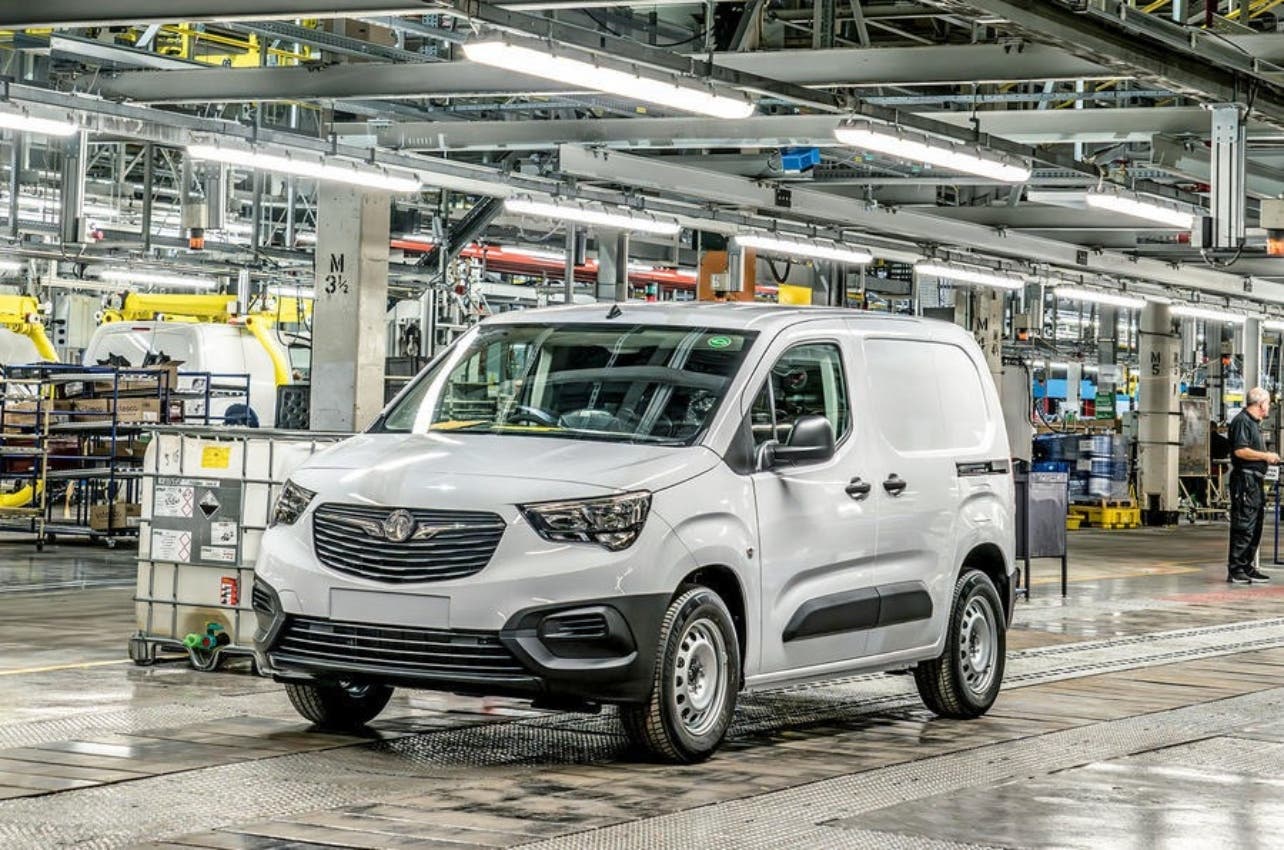
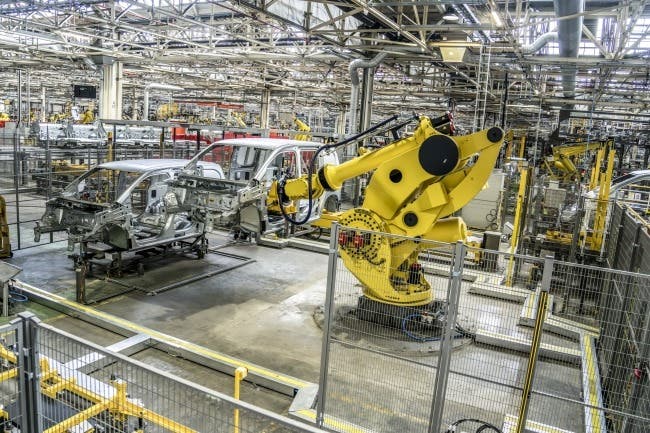
Ellesmere Port is now Stellantis’ only plant in the United Kingdom entirely dedicated to electric vehicle production. Around 950 employees work at the facility, where the company assembles the battery-electric versions of the Vauxhall Combo, Citroën Berlingo, Peugeot Partner, and Fiat Doblò. These models replaced the previous production of the Opel and Vauxhall Astra. Last year the plant produced about 14,500 small electric vans, while another 30,000 body shells left the site for Algeria, where another Stellantis facility completed assembly. This figure shows that a significant portion of production does not remain in the UK market.
The decision to double the investment comes at a time of growing tension between Stellantis and the UK government. The company has warned that the site could become economically difficult to sustain if authorities fully enforce the penalties included in the ZEV mandate, a regulation that requires automakers to gradually increase the share of electric vehicles in their annual sales.
For vans, the regulation requires manufacturers to raise the share of electric models from 10% in 2024 to 24% today, before reaching 100% by 2035. Companies that fail to meet the targets can face penalties of up to £18,000 per vehicle.
According to Stellantis, the problem lies in the gap between regulatory targets and market demand. Electric vans still represent less than 12% of total sales in the UK, a share that continues to grow but remains far from the 70% target set for 2030. The group has repeatedly warned that it could face a difficult choice: push electric commercial vehicles into the market faster than demand allows or reduce the availability of diesel models in order to avoid heavy fines. Either scenario would complicate the financial sustainability of its British factories.
The increased investment in Ellesmere Port suggests that Stellantis intends to maintain a manufacturing presence in the United Kingdom. However, without regulatory conditions that better reflect real market demand, even a significant financial commitment may not guarantee the long-term sustainability of the plant.