Spain’s car manufacturing sector stumbled painfully through the first half of 2026, with five major assembly facilities posting depressing figures compared to last year. Unsurprisingly, automotive giant Stellantis managed to claim double trouble, taking severe output hits at both its Villaverde and Zaragoza locations while corporate executives scrambled for answers.
The most tragic comedy played out in Villaverde near Madrid. Production plunged over 42 percent to a paltry 30,800 vehicles, mostly thanks to the fading popularity and gradual exit of the Citroën C4. Running on a lonely single daily shift, workers there have had plenty of time to contemplate the existential void.
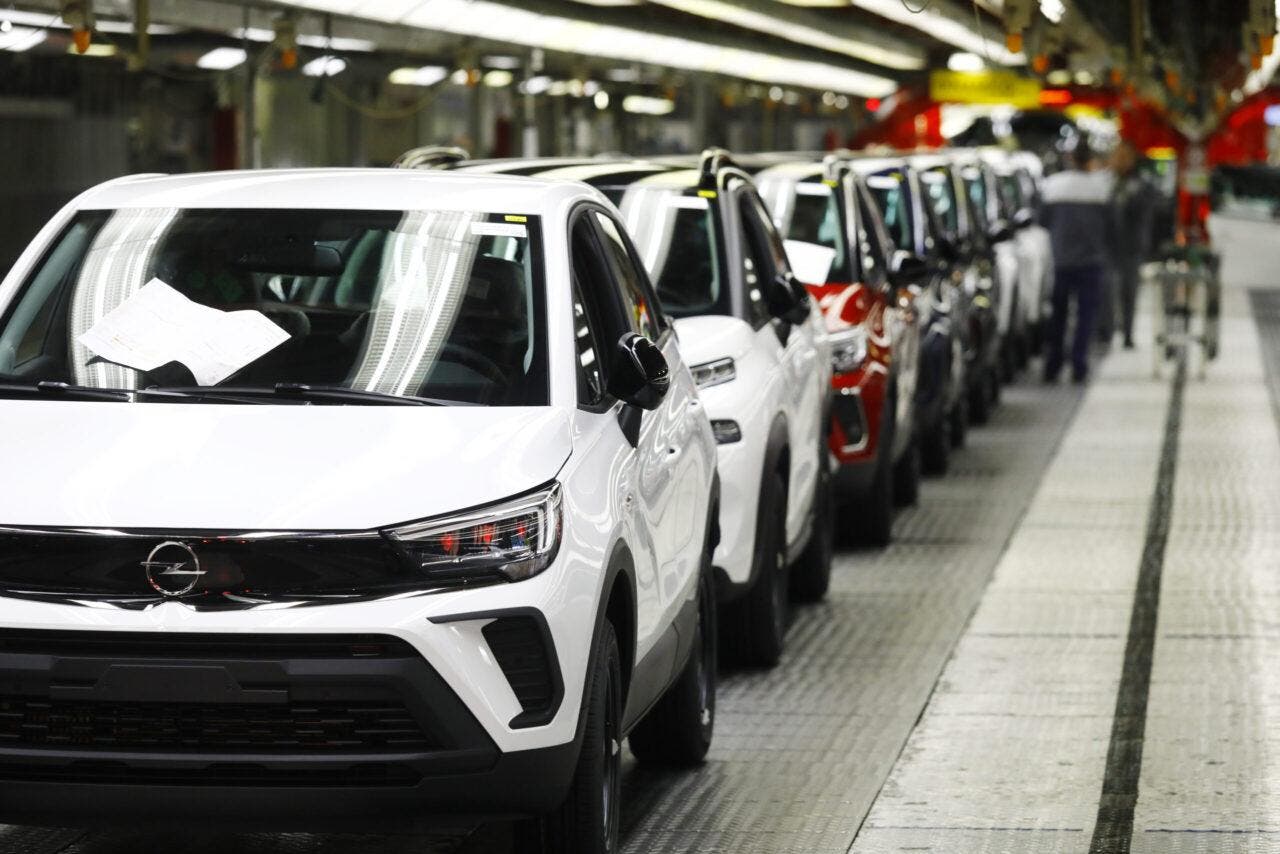
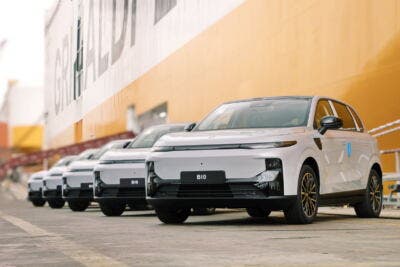
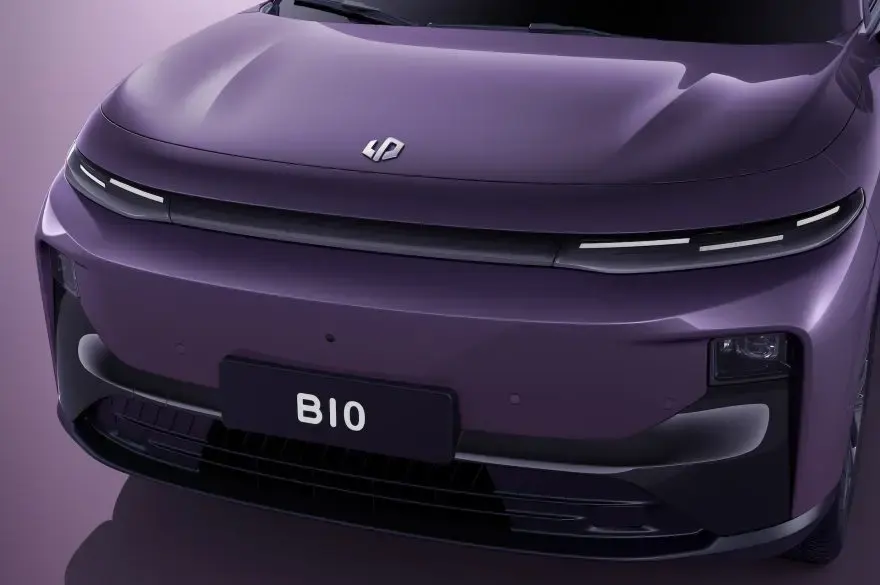
Down in Zaragoza, output dropped 12.4 percent to 142,500 units, a slide not entirely caused by lukewarm buyers, but by heavy line retooling for the incoming Leapmotor B10 electric SUV, scheduled to launch on August 24. Stellantis and its Chinese partner plan a €200 million lifeline to eventually churn out 208,000 electric vehicles annually across four future models. Apparently, Spanish automotive manufacturing now relies on Chinese CPR.
Stellantis was hardly alone in this European industrial pity party. Mercedes-Benz’s Vitoria plant dropped 11.9 percent to roughly 59,000 vans due to sluggish market demand and delays surrounding its new VAN.EA electric architecture. Ford’s Almussafes facility slipped 5 percent to 48,400 units while desperately clinging to the Kuga as its sole surviving lifeline, and Iveco’s Madrid plant dipped 4.8 percent to 10,354 commercial vehicles after extended factory shutdowns and employee furloughs.
Yet, amid this Iberian car crash, a few unexpected survivors popped the champagne. Barcelona’s Ebro plant skyrocketed by 188 percent to 16,500 vehicles, entirely powered by Chery’s Omoda and Jaecoo brand influx. Renault Valladolid gained 9.6 percent to hit 126,000 cars, Iveco Valladolid jumped 21.7 percent, Volkswagen Navarra held strong at 142,368 units while preparing for the ID. Cross on August 31, and Seat’s Martorell juggernaut flexed over 255,000 units.
The ultimate MVP award, however, belongs to Stellantis Vigo, which churned out 298,800 vehicles, up a micrometer-thin 0.27 percent, but solid enough to crown it Spain’s undisputed manufacturing king while everyone else counted their losses.