Stellantis is heading into 2026 with the difficult task of balancing a recovery in European sales volumes with the defense of its margins, in a market that still has not returned to pre-pandemic demand levels and where competitive pressure, especially in the lower price bands, has intensified with the arrival of new Chinese players and the aggressive repositioning of several mainstream automakers.
Stellantis is under pressure in Europe as it tries to recover volume without losing margin

First-quarter data should show an improvement compared with the second half of 2025, but the quality of that recovery will matter more than the headline number itself. Reports suggest Stellantis has also relied on dealer self-registrations to support registrations, a practice that helps the numbers while also showing how fragile the commercial environment has become. For a group that built much of its profitability in recent years on pricing discipline and post-pandemic supply shortages, the risk now is that it may chase volume at the expense of the very margins that defined the most favorable phase of the cycle.
The European landscape has changed in a structural way. The period when long waiting times and limited production allowed automakers to hold high prices and offer only limited discounts has ended. It has given way to a more normalized market where demand remains uncertain, industrial costs stay high, and the EV transition is moving more slowly than many manufacturers had assumed when they designed their investment plans.
The dealer network creates another pressure point. Stellantis dealers are asking for more visibility on margins, contracts, and the future product lineup after a period when the group’s attempt to introduce an agency model, later partly scaled back, created uncertainty over operating conditions and commercial autonomy. When the network lacks stable visibility and a readable strategic framework, keeping a broad distribution structure united becomes much harder. As that relationship weakens, the quality of the sales and service experience offered to final customers can also suffer.
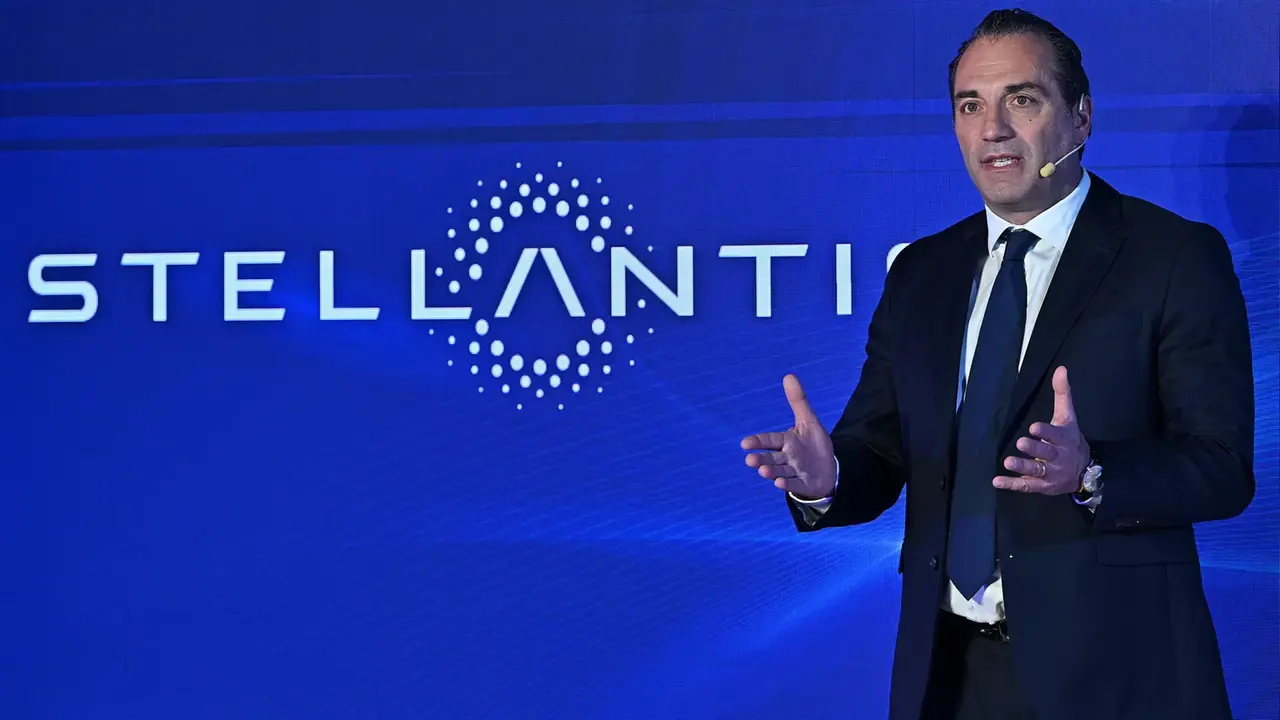
A first answer to these questions could come on May 21, when Antonio Filosa presents the group’s strategic guidelines at Investor Day. That presentation will define the broad outline of Stellantis’ industrial choices for the next few years, but the real test will come in the months that follow, when those strategic indications must turn into concrete decisions on production allocation, lineup development, and the role each brand will play in Europe’s main markets.