

Stellantis registered more than 183,000 cars in Germany in the first half of 2026, up 15% from the same period of the previous year. This result lifted the group’s market share to 12.4%, with a gain of one percentage point. The most relevant figure, however, comes from pure electric cars. Stellantis BEV registrations rose by 230%, increasing the group’s share of the German electric car market to 11.9%, with a gain of 4.3 points. Today, almost one in four Stellantis cars sold in Germany runs on battery power, with BEVs accounting for 23.9% of the group’s local sales.
Stellantis reaches 12.4% market share in Germany in H1 2026
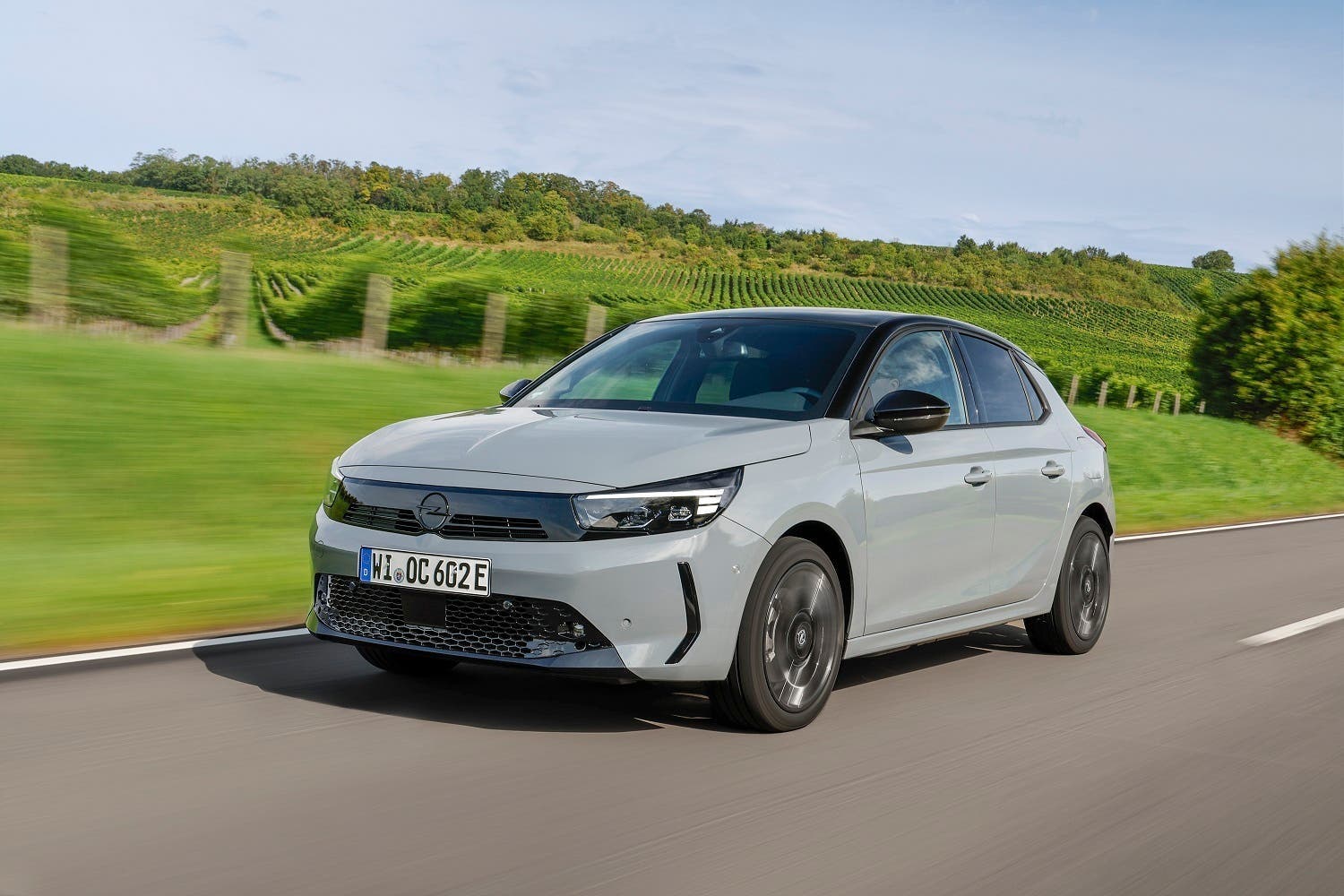
Opel drove overall volumes with around 70,400 units delivered and a 15% increase, strengthening its role as the group’s leading brand in Germany. The Corsa played a key role in this performance, as it remains the best-selling compact car in the country and aims for its sixth consecutive year at the top of the segment. The electric Corsa and the Grandland Electric also helped reinforce the Rüsselsheim brand’s presence in the battery-powered family SUV segment, where competition from German premium manufacturers remains especially strong.
Fiat recorded the strongest percentage growth among the group’s traditional brands, with registrations up 29% and market share rising to 2.4%. The 500 Electric, whose sales grew by 49%, acted as the main driver of this expansion thanks to its compact dimensions and urban positioning, which continue to attract a very specific customer base. Citroën followed with a 10% increase and a 1.8% share, supported by the ë-C3 and the conventional C3, which together address demand for affordable electric and combustion-powered mobility.
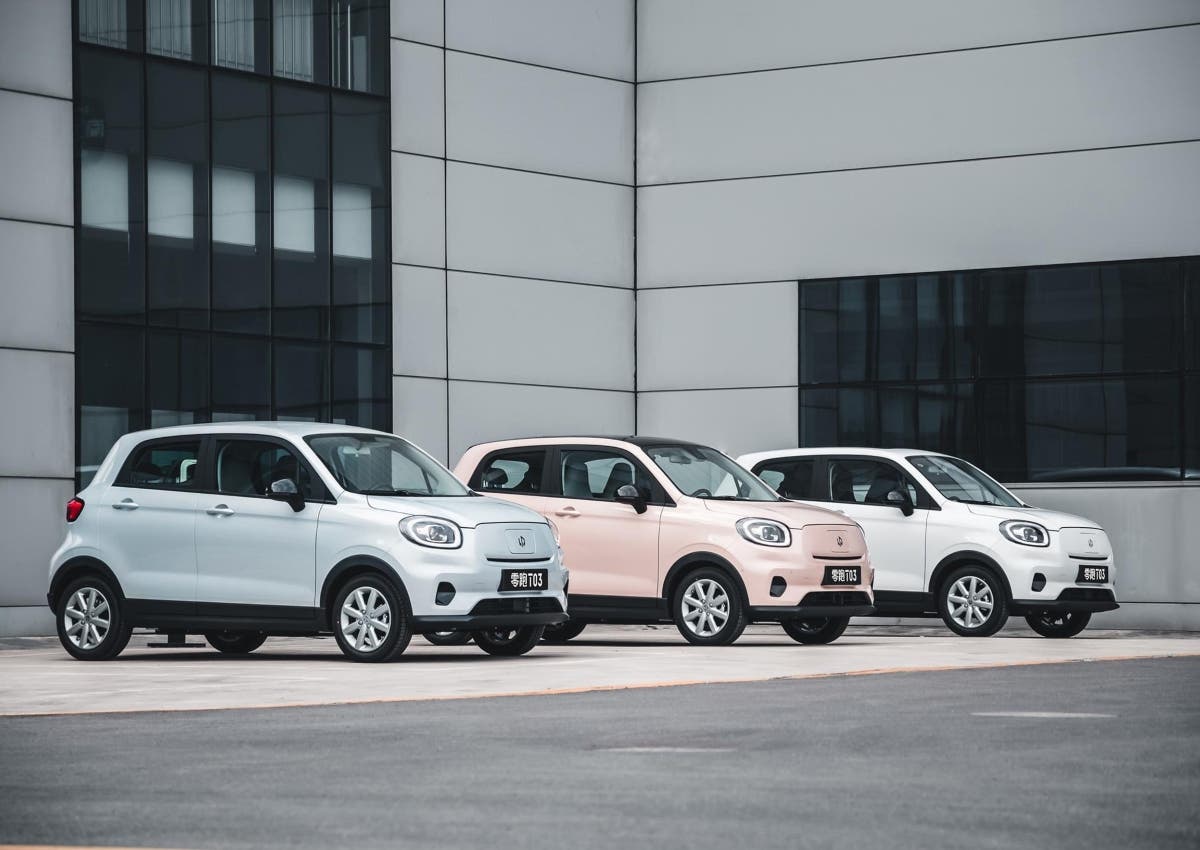
The most surprising result in terms of momentum, however, came from Leapmotor. The Chinese manufacturer, distributed in Europe through its joint venture with Stellantis, quadrupled its sales to 8,400 units and increased its share of the German electric car market from 0.8% to 2.2%. The small T03 generated much of this volume, positioning itself as one of the most affordable compact electric cars available in the country.
According to Stellantis Germany managing director and Opel CEO Florian Huettl, these results show a positive public response to an offer shaped around real customer needs, where price, practicality, and ease of use matter as much as range and technology. The combination of historic European brands and new Chinese players allowed the group to gain ground in a market traditionally dominated by domestic manufacturers, with affordable electric cars acting as the main growth lever in the second quarter of the year.