Economic analyst Chris Buxton has criticized Stellantis, describing the group as an example of “strategic inconsistency.” In his view, the main problem does not lie in the 2021 merger between FCA and PSA, but in the way Stellantis managed its brand portfolio afterward. According to his analysis, the deal had a solid industrial logic, based on shared platforms, cost reduction and greater economies of scale. However, the promised synergies never fully materialized because the group kept 14 brands, many of which operate in the same segments with separate ranges, dealer networks and marketing strategies.
Buxton criticizes Stellantis over its crowded 14-brand portfolio

Europe offers the clearest example. Peugeot, Citroën, Fiat, Opel and Vauxhall often target very similar customers with products that sit too close to one another, creating an overlap that Buxton believes the European market cannot sustain. From this diagnosis comes his proposal for new CEO Antonio Filosa: make a firm selection, identify the truly strategic brands and scale back those that can no longer justify complete and independent lineups.
In Buxton’s view, some brands still retain an identity strong enough to defend. Ram should remain focused on pickups, Jeep on off-road vehicles and iconic SUVs, while Alfa Romeo could concentrate on high-margin sports models. Fiat, according to his reading, should return to its original mission of simple, accessible and efficient cars. Citroën could instead become the group’s creative laboratory, with small series, original technical solutions and an approach to comfort and design far from conventional patterns.
Buxton takes a much harsher view of Peugeot, Opel, Vauxhall, DS and Abarth, arguing that they no longer have the conditions to support an independent offering. In his most radical proposal, Chrysler should leave new-car production entirely and focus only on parts and service.
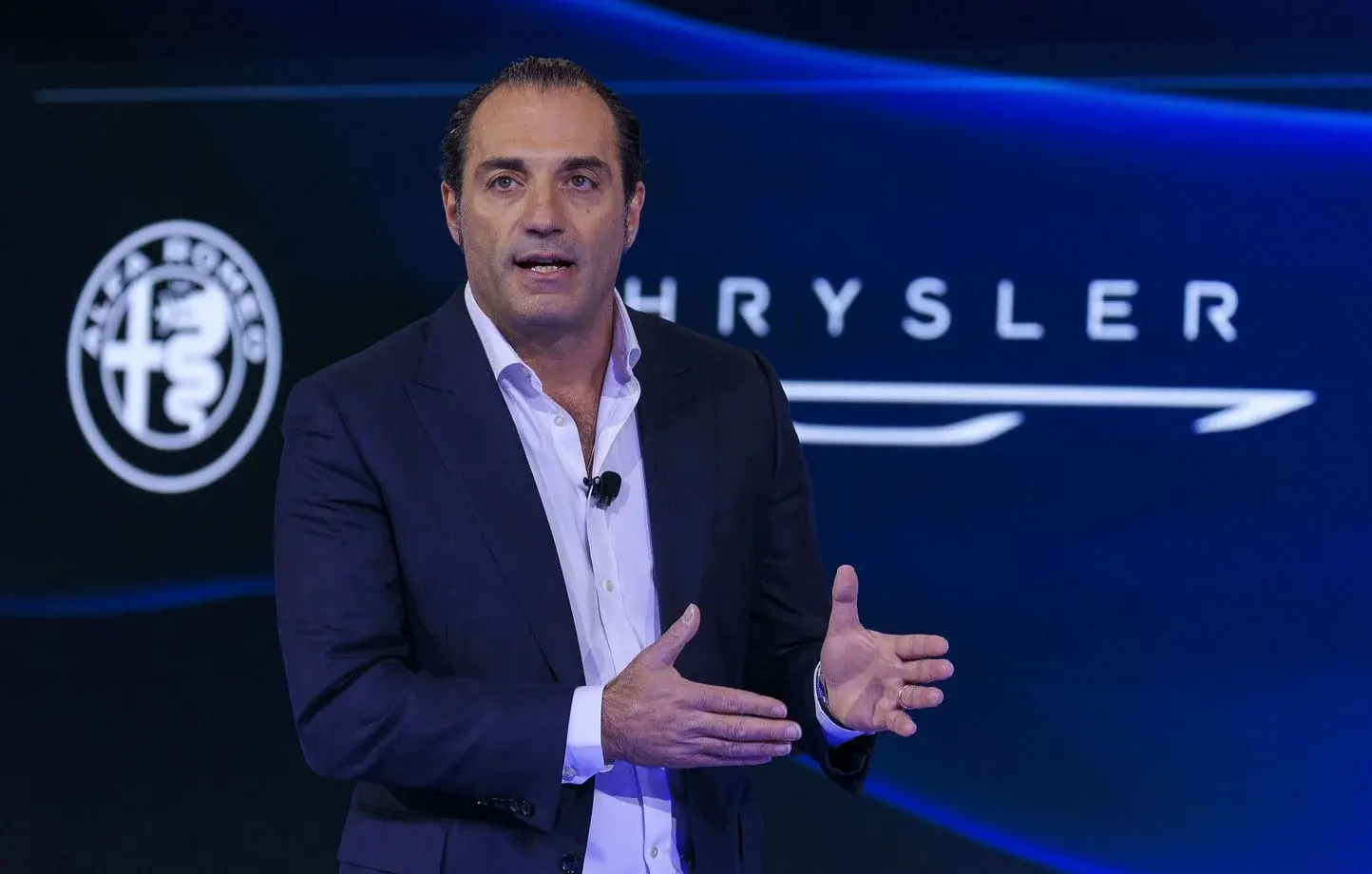
His criticism also extends to Stellantis’ electrification strategy. Buxton argues that the group currently lacks a clear competitive advantage in both affordable EVs, where Chinese manufacturers dominate, and the premium segment. However, this observation does not fully consider the potential role of Leapmotor. Stellantis’ partnership with the Chinese automaker could become a significant lever precisely in the low-cost EV space, where competition with Asian brands plays out most directly.
The common thread in Buxton’s analysis remains the need for simplification. Without reducing portfolio complexity and clearly defining the role of each brand, Stellantis risks continuing to spread investment too thinly, weakening profitability and feeding shareholder distrust. The group now faces a phase in which it must decide which brands can pursue global growth and which ones must accept a more limited or specialized role.