The automotive industry has been going through a deep transformation for several years now. New car sales struggle to recover, regulations continue to tighten, and competition from Chinese manufacturers keeps growing at a rapid pace. In this complex scenario, major groups must rethink their business models, often starting with significant cost reductions. Many automakers have chosen to scale back the role of dealerships, turning them into simple delivery points or sales agencies. Stellantis, however, has decided to take a different path.
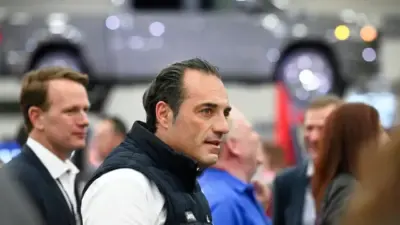
The group formed from the merger of PSA and FCA now aims to place dealers back at the center of its strategy. Antonio Filosa himself confirmed this shift, launching a clear change in direction from the start of his mandate. The new CEO has chosen to rebuild dialogue with the dealer network after a period in which many operators felt sidelined. Not by chance, Filosa has announced his attendance at the upcoming NADA Show in Las Vegas, a key event for the American automotive retail sector.
Stellantis refocuses on dealerships as strategy shifts under Filosa
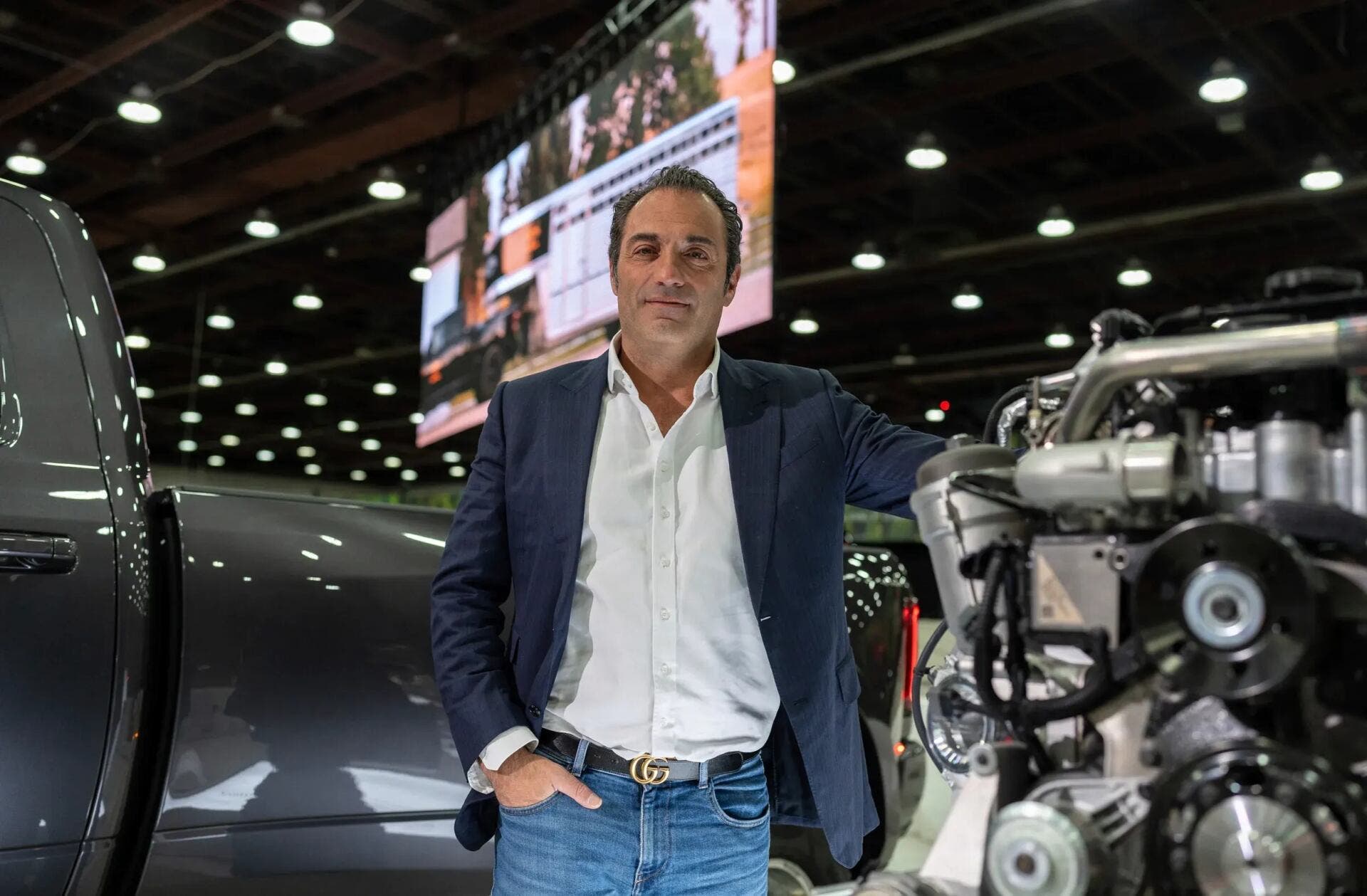
Stellantis does not intend to continue down a path driven solely by centralized decisions. Under the previous management, many dealers had expressed dissatisfaction with what they saw as overly rigid choices, including reduced volumes, dealership closures, and a management approach perceived as distant from local needs. Filosa now wants to turn the page, focusing on a more direct and collaborative relationship with the sales network.
One of the clearest signs of this new approach came with the return of Tim Kuniskis at the helm of Ram. His comeback immediately led to concrete decisions, including the revival of the V8 HEMI engine on the Ram 1500, a symbol of a less ideological and more market-driven strategy. That choice delivered quick results: in 2025, Stellantis recorded two consecutive quarters of sales growth in the United States, with market share rising from 7.6 to 8.2 percent.
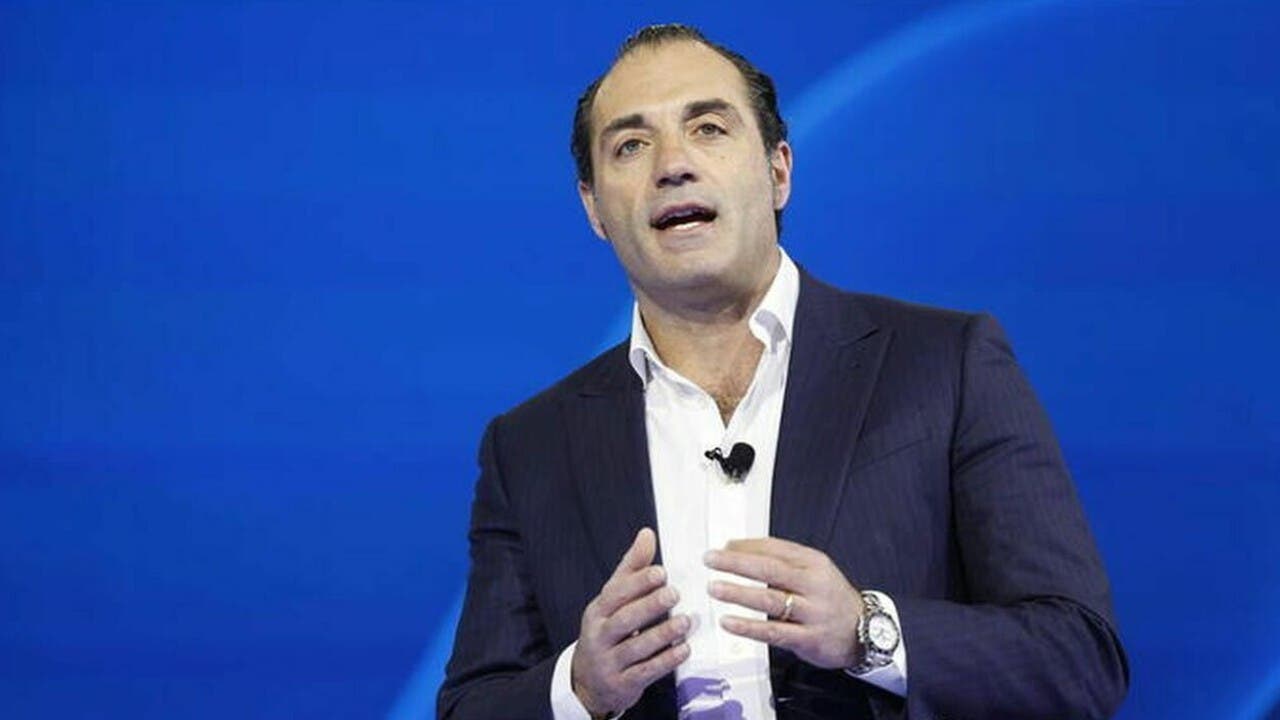
For Filosa, these figures confirm that direct involvement of dealerships represents a key lever for renewed growth. He intends to listen closely to those working on the ground, fix problems quickly, and strengthen what proves effective. The fact that he also retains responsibility for North American operations adds further value, as it allows him to maintain a clear and unfiltered view of local market dynamics.
Many in the dealer network also appreciate the new management style, which leaves more room for initiative. According to several retailers, Filosa manages to inspire confidence without resorting to excessive control, fostering a more constructive atmosphere than in the past.
Of course, challenges remain. Delivery times still prove too long in some cases, and the group must continue to deal with tariffs and broader trade tensions. Even so, Stellantis does not intend to scale back its dealer network. On the contrary, the company aims to turn it into one of the central pillars of its revival in an increasingly competitive market.