Stellantis has decided it’s time for a real conversation. That kind where you actually sit down with the people who make your supply chain work and ask them what’s broken. The company has announced the creation of the Europe Supplier Advisory Council, the first body of its kind launched by the automaker on the continent.
The setup: top regional executives on one side, 26 strategic supplier partners on the other, all sharing the same room. Competencies, technologies, materials, a significant and carefully selected slice of Europe’s automotive supply chain, finally talking to each other in a structured way.
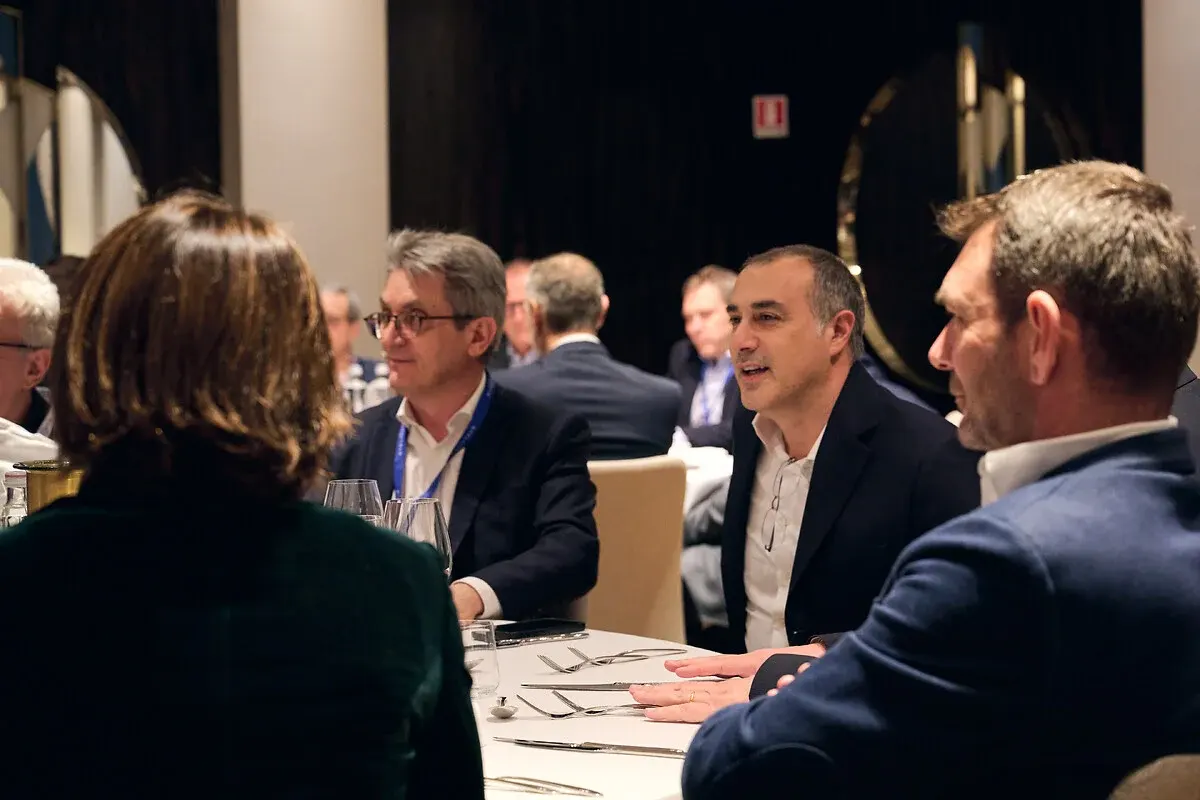
The concept is almost disarmingly simple. In an industry navigating the electric transition, relentless cost pressure, tightening regulations, and markets that refuse to behave predictably, Stellantis is betting on organized dialogue as a legitimate operational tool. Not a diplomatic exercise. The stated goal is identifying bottlenecks along the value chain, clearing them before they calcify into something irreversible.
Three meetings are planned for 2026, each lasting a day and a half. Long enough to mean business, short enough to remind everyone this isn’t a substitute for actual industrial policy. But it’s a start, and in the current climate, starts matter.
Anfia and FIEV, the two heavyweights of European automotive components, will also have a seat at the table, tasked with channeling the collective voice of the broader supplier community. It signals the Council isn’t designed to stay in the boardroom. It’s meant to have roots in the real supply chain.
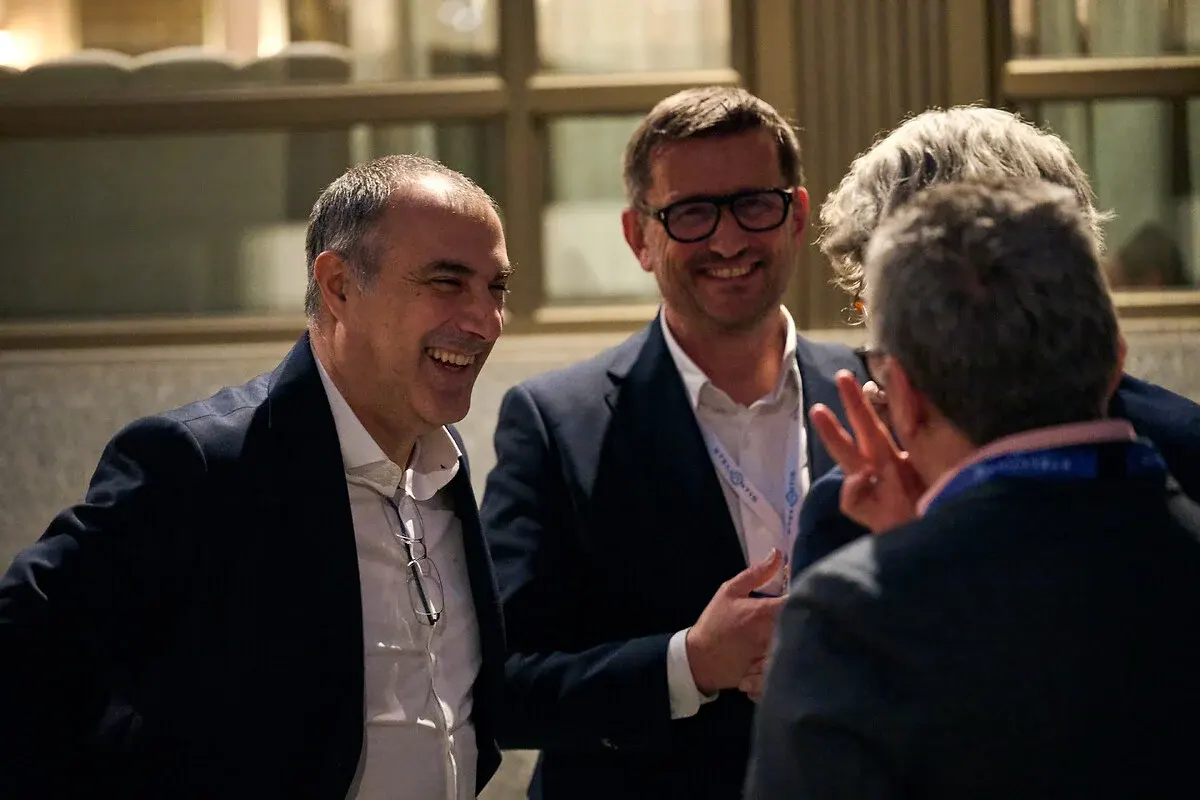
Emanuele Cappellano, Stellantis Europe’s COO, called it “an important milestone to strengthen the region’s industrial performance”. Stephane Dubs, SVP of Purchasing and Supplier Quality, framed the Council as the place to work side by side on quality, innovation, costs, launch readiness, and supply chain resilience.
FIEV president Jean-Louis Pech called it a valuable opportunity. Anfia’s Marco Stella said the quiet part out loud: with European market weakness, geopolitical instability, and Chinese competition accelerating, building a solid partnership with suppliers is no longer a strategic option. It’s a survival reflex.
The question now is whether the Europe Supplier Advisory Council becomes the operational backbone the European supply chain has been waiting for.