New signals about Stellantis’ future have emerged from the Brussels Motor Show, following remarks by Emanuele Cappellano, recently appointed as the group’s European chief, replacing Jean-Philippe Imparato. Speaking to international media, Cappellano confirmed that Stellantis will present its new industrial plan by mid-year, outlining the next strategic steps for the automotive giant.
Stellantis prepares new industrial plan as Cappellano emphasizes distinct brand identities
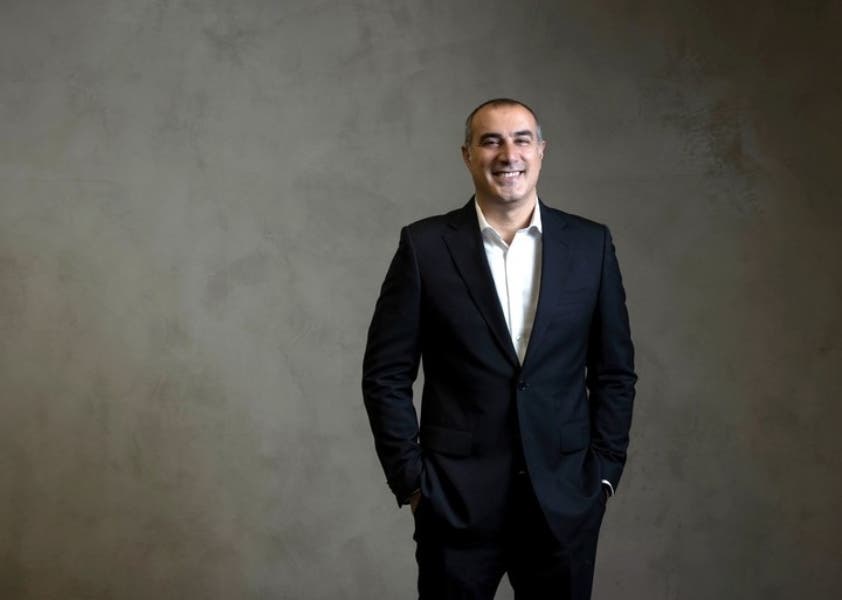
In an interview with Auto Infos, Cappellano explained the priorities of his mandate. “My priority is to return to growth. Growth through brands and their products. I also want to strengthen relationships with dealers, suppliers, institutions, and employees,” he said, stressing his intention to rebuild a solid balance within the Stellantis ecosystem.
Cappellano then addressed the group’s brand strategy, emphasizing the importance of preserving each brand’s identity. According to him, every brand plays a specific role and speaks to a distinct audience. “If we look at our brand portfolio, our brands are recognized for their unique characteristics and are very different from one another. The priority is to further differentiate each brand by strengthening what customers already recognize them for. Some brands operate across Europe and perform very well in certain markets, while others remain more country-specific but still carry strong appeal and personality. All our brands succeed at different levels and across different customer segments. What matters is allowing them to express themselves in different ways.”
He reinforced the same idea shortly after, underlining that the goal is not uniformity but differentiation. “We must ensure that brands strengthen their distinctive positioning. It’s not just about being a good brand, but about cultivating what makes each one different.” His words appear to anticipate the strategic direction that Antonio Filosa will define in the upcoming industrial plan.
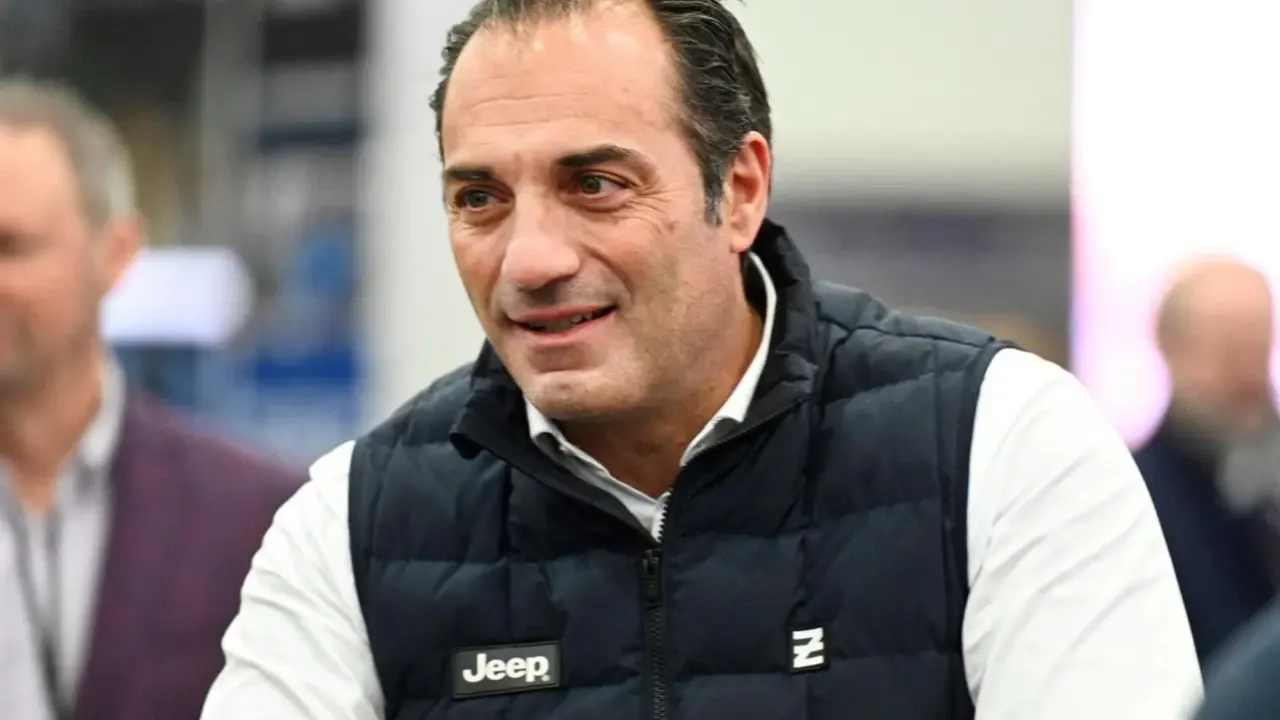
Cappellano also offered a critical view of the European Automotive Package presented at the end of 2025, pointing out its shortcomings. “We need to be very honest: what has been announced so far is not competitive at all. What the automotive industry and customers need are short-term solutions. The problem is not ten years from now, it’s today. Since 2019, the European car market has lost three million vehicles and remains the only region in the world that has not returned to pre-Covid levels. The emergency is still there.”
According to Cappellano, current measures fail to address the real challenges facing the industry. “What has been announced does not solve anything. The flexibility requested by ACEA and the entire sector has not been taken into account. The industry relies on long-term investments, and the lack of clarity around the rules is creating major uncertainty. Europe now faces a choice: either continue down the path of industrial decline or take serious action to regulate the sector in a way that meets both customer needs and the needs of European manufacturers.”
His remarks point to a clear shift in tone and offer an early indication of what may emerge from the new industrial plan that Antonio Filosa will present in the coming months, an announcement expected to clarify Stellantis’ future strategy at a particularly delicate moment for the European automotive industry.