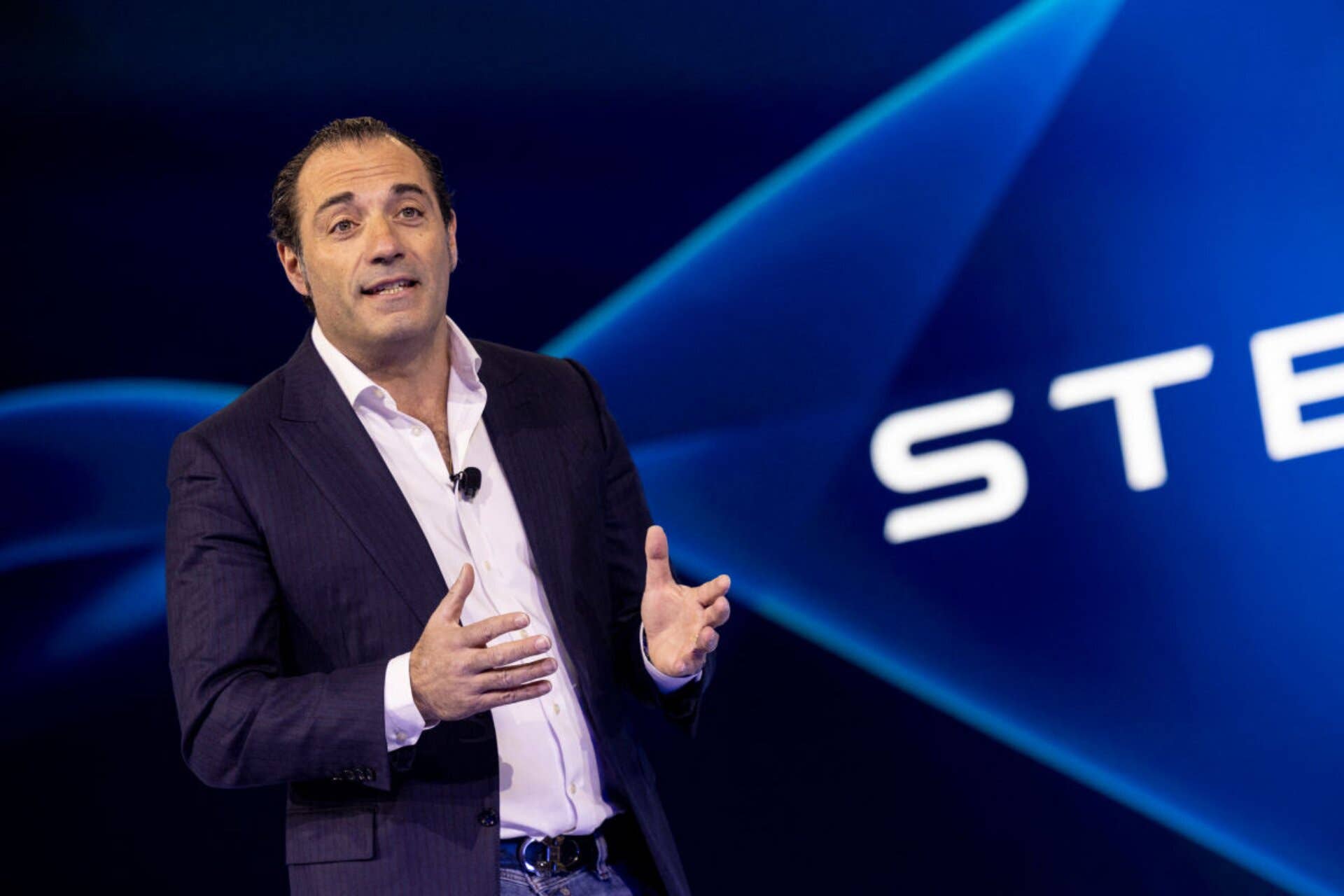
Stellantis is navigating yet another plot twist in its high-stakes corporate drama. After serving up quarterly earnings that fell short of Wall Street’s high-octane expectations, CEO Antonio Filosa politely asked investors to hold their horses. Turning around a multi-brand behemoth in a market overrun by aggressive Chinese EV makers, looming tariff headaches, and brutal international price wars isn’t something you fix with a quick pit stop.
Back in May, Stellantis laid out an ambitious $70 billion turnaround plan promising 60 new models by 2030. Filosa’s holy trinity of survival boils down to expanding market reach, slashing manufacturing costs, and making cars that don’t rattle out of the factory. The primary goal was eclaim the lucrative U.S. market share squandered under previous management. But financial markets have notoriously zero patience for slow-brewing corporate revamps.
Looking at the second-quarter scorecard, adjusted EBIT hit €773 million, more than tripling last year’s dismal figure. Sounds impressive, right? Not to analysts who were expecting €914 million, triggering a swift 4.31% stock slump in Milan down to €5.06. Net revenues climbed 13% to €43.48 billion, largely powered by a 32% revenue surge in North America. US sales rose 6%, with Ram pickups jumping 11% alongside sturdy Jeep numbers.
Fund manager Fabio Caldato raised a red flag: much of that American swagger came from stuffing dealer lots with inventory rather than genuine buyer fever.
Across the Atlantic, Europe remained flat, forcing Stellantis to slash vehicle prices just to stop Chinese rivals from eating their lunch. Filosa’s counter-defense strategy is relying heavily on Chinese partner Leapmotor, while scrambling to engineer cheaper modular platforms.
Meanwhile, electric ambitions continue to bleed cash, following a jaw-dropping €22 billion write-down in February. Add an estimated €1.0 to €1.2 billion hit from US tariffs, and positive industrial cash flow is officially postponed until next year.
Stellantis insists its full-year target of mid-single-digit revenue growth is totally fine, but anyone watching knows this turnaround is going to be a long, bumpy test drive.