Stellantis has a date with destiny, and for once, it’s written in ink on the European Commission’s official calendar. The initiative is called E-Car, an acronym where the “E” desperately attempts to stand for European, Emotion, Electric, and Eco-sustainable all at once. It reads less like a technical data sheet and more like a corporate manifesto. The grand objective? To reintroduce something the continental market hasn’t seen in years. A small electric car that regular people can actually buy without taking out a second mortgage.
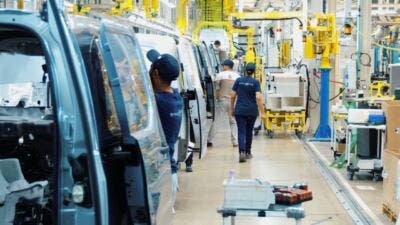
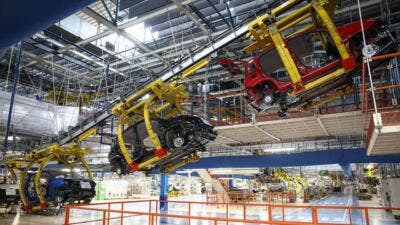
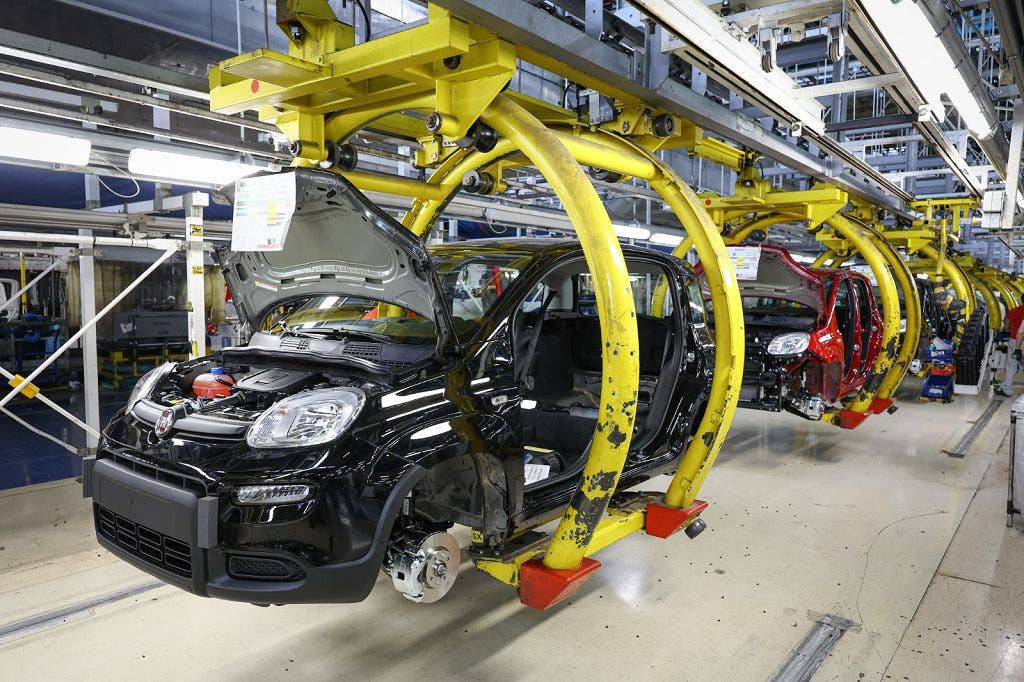
Production is scheduled to kick off in 2028 at the Pomigliano d’Arco plant in Campania, Italy. Within the collective memory of Italian manufacturing, this site represents Holy Ground. It is the birthplace of the Fiat Panda, the definitive automotive populist, a car that for decades mobilized the masses who had no other options. Stellantis knows exactly what string it is pulling here.
CEO Antonio Filosa recently addressed the public with remarks that sounded like a corporate confession. Customers, he admitted, are practically begging for the return of compact, attractive, green vehicles proudly assembled in Europe. In other words, they want precisely what the industry stopped making while it was busy chasing €50,000 electric SUVs that nobody asked for and even fewer could afford. The E-Car is designed to park directly in this massive market void, leveraging strategic partnerships and a radically optimized cost structure to lower the final window sticker.
The European Commission has already given the nod, certifying the project’s theoretical boost to design and manufacturing jobs. On paper, it looks solid: more European employment, less reliance on foreign battery monopolies, and zero-emission city cars that don’t require a wealth management fund to finance.
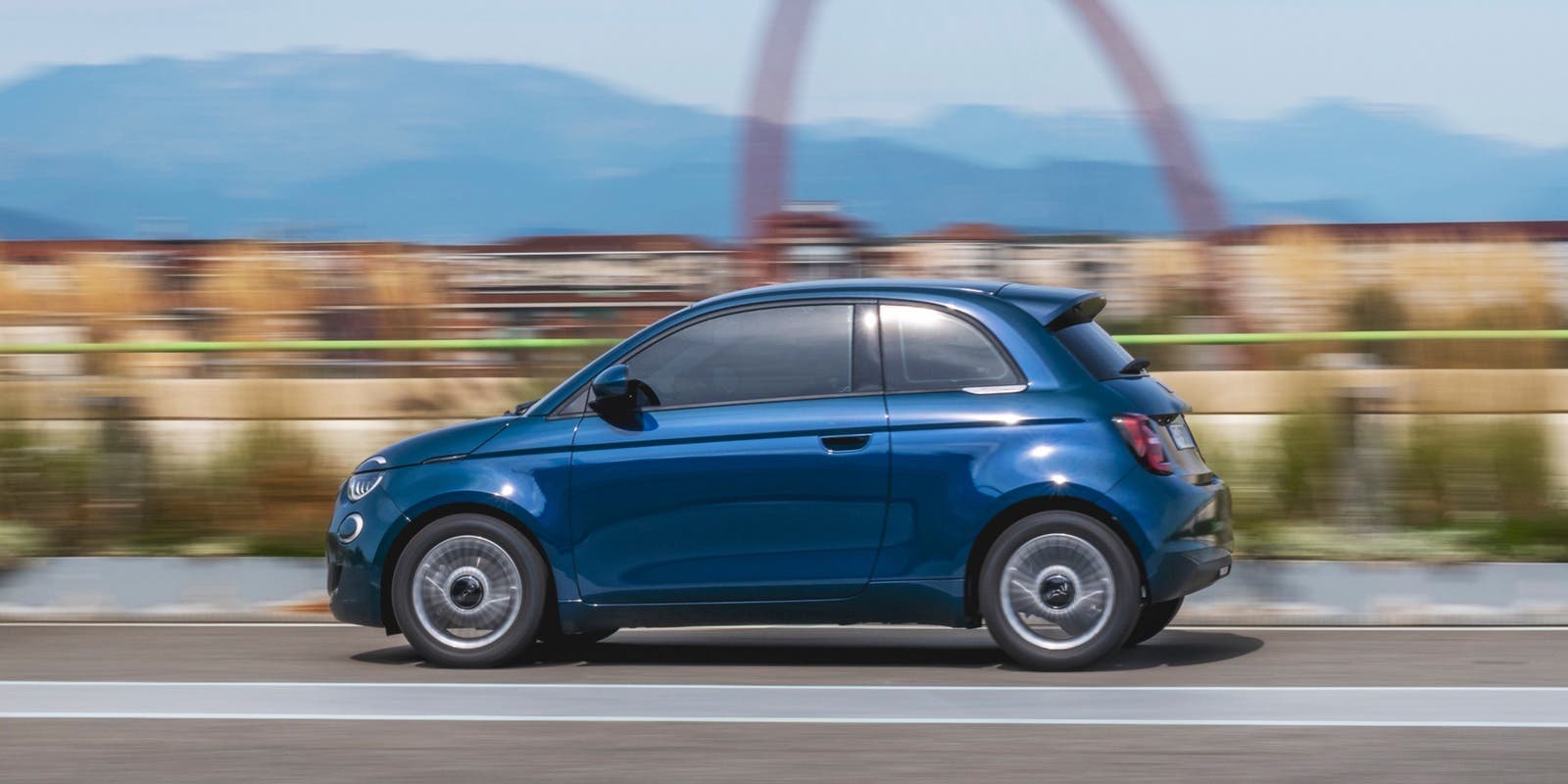
Naturally, the skepticism remains fully charged. How cheap will it actually be? Which brands will get the badge? Fiat and Citroën are the obvious suspects, given their history of building cars for people who count their pennies. More importantly, can Pomigliano actually handle the punishing high-volume margins required to make cheap cars profitable? 2028 is a lifetime away in the automotive world.