

According to Dataforce figures, the Abarth 500e and 600e have recorded 1,289 and 726 registrations respectively in Europe since the beginning of 2025. These numbers raise questions about the commercial sustainability of the sporty electric models with which Stellantis is trying to redefine its high-performance brands. The two Scorpion models do not stand alone, as the same product logic also applies to the Alfa Romeo Junior Veloce and Lancia Ypsilon HF, cars that share a similar approach based on higher power, dedicated chassis tuning, and very high prices for their segments.
Stellantis bets on sporty EVs, but Abarth sales remain weak
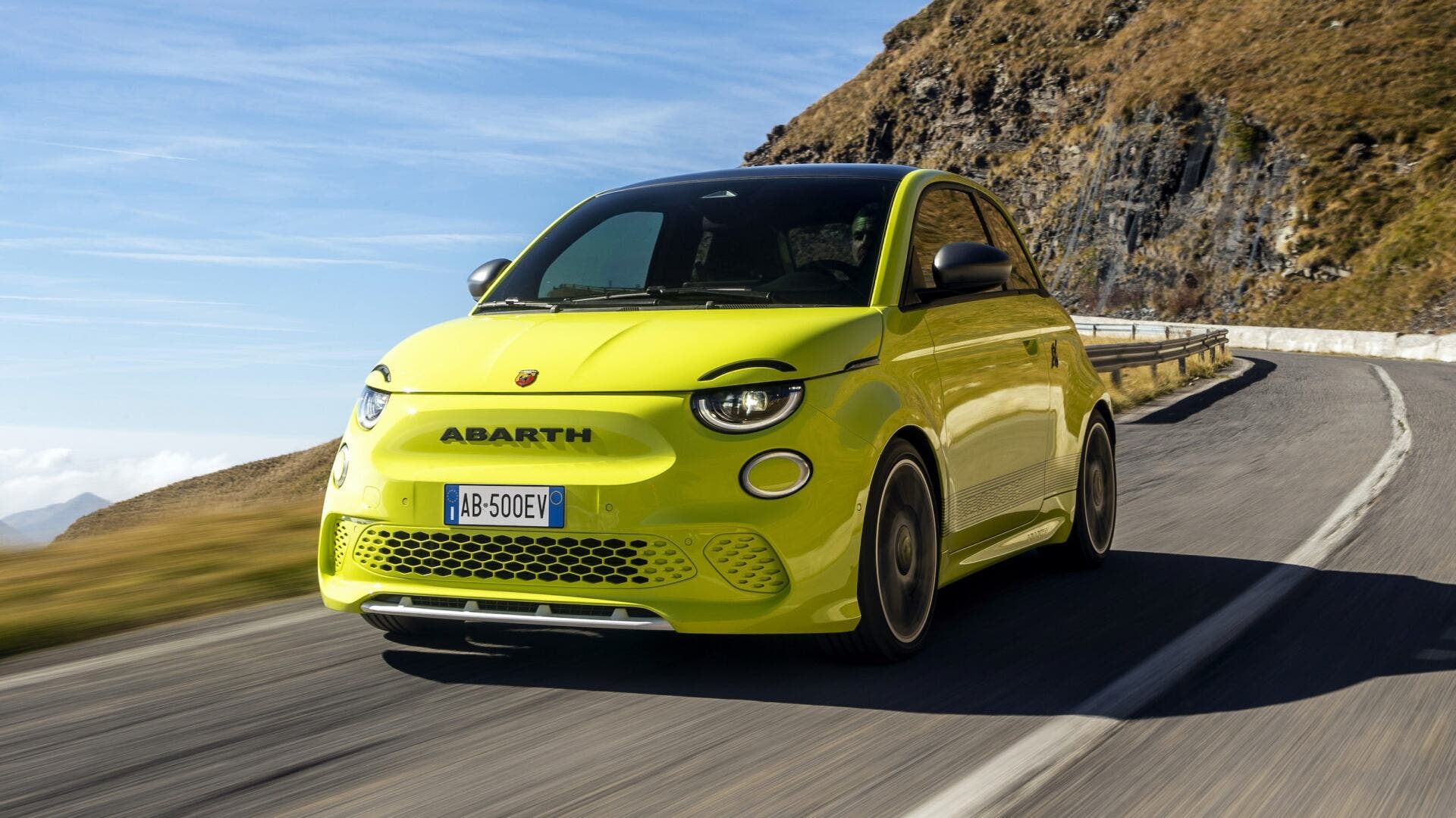
The problem does not seem to lie in the intrinsic quality of the cars. The Ypsilon HF, for example, has received positive feedback for its dynamic behavior and level of finish. The real difficulty appears in the relationship between pricing and the perceived strength of the brands that sell them. Asking around €40,000 for a sporty compact electric car wearing a Lancia or Abarth badge means competing in a price range where customers tend to favor manufacturers with an already established reputation in premium EVs, wider dealer networks, and more predictable residual values.
The risk could grow with the arrival of the Lancia Gamma HF. With around 375 hp expected and all-wheel drive, the model should move into a price territory close to €60,000, placing it in direct competition with electric SUVs from premium brands already rooted in the segment. At that level of spending, range, charging infrastructure, and resale value matter as much as declared performance, if not more.
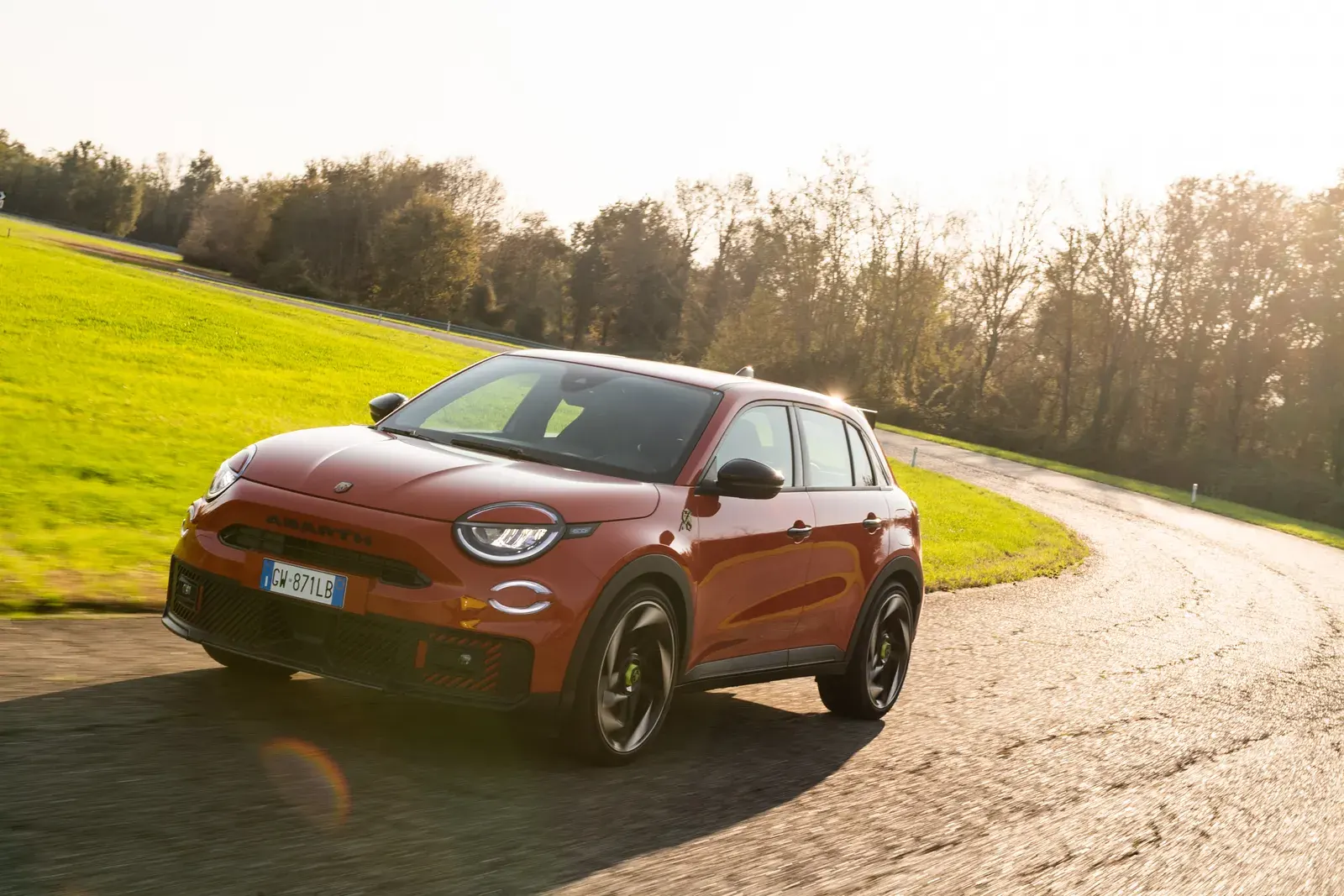
Meanwhile, the debate around Abarth has returned to the possibility of adding combustion or hybrid powertrains alongside the electric range. This direction could give the Scorpion back the sound and emotional component that customers see as an essential part of the brand’s identity. However, the issue affects Stellantis’ entire strategy for sporty versions, which so far seems to have produced more convincing results in accessible segments, where low prices and practicality remain effective sales arguments.
Dataforce figures for Abarth’s electric models suggest that demand for battery-powered sporty compact cars with premium-segment pricing remains, at least for now, well below the group’s expectations. For Abarth, however, another electric model could arrive, and many people probably did not see it coming.