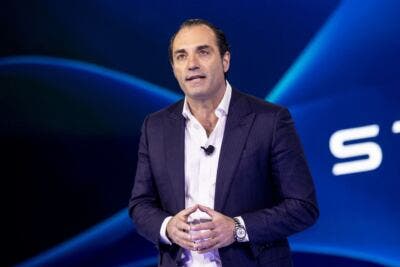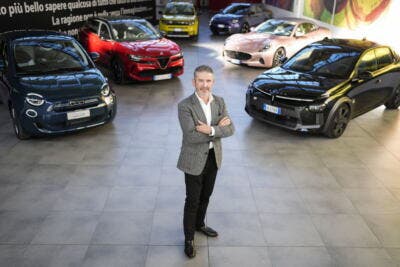
Gilles Vidal returned to Stellantis in 2025 after spending five years at Renault, where he worked on well-received projects such as the new Renault 4, 5, and Twingo. Today, many inside the industry see his return as a key step for the group’s future design direction. One of the most common criticisms aimed at Stellantis concerns the similarity between some models from its different brands, especially when they share platforms, components, and technical solutions. The Citroën C3 and Fiat Grande Panda probably offer the most recent and most cited example of an industrial strategy that works efficiently but at times feels too uniform. Stellantis has now clearly asked Vidal to tackle exactly that issue.
Gilles Vidal wants to give Stellantis brands stronger and more distinct identities
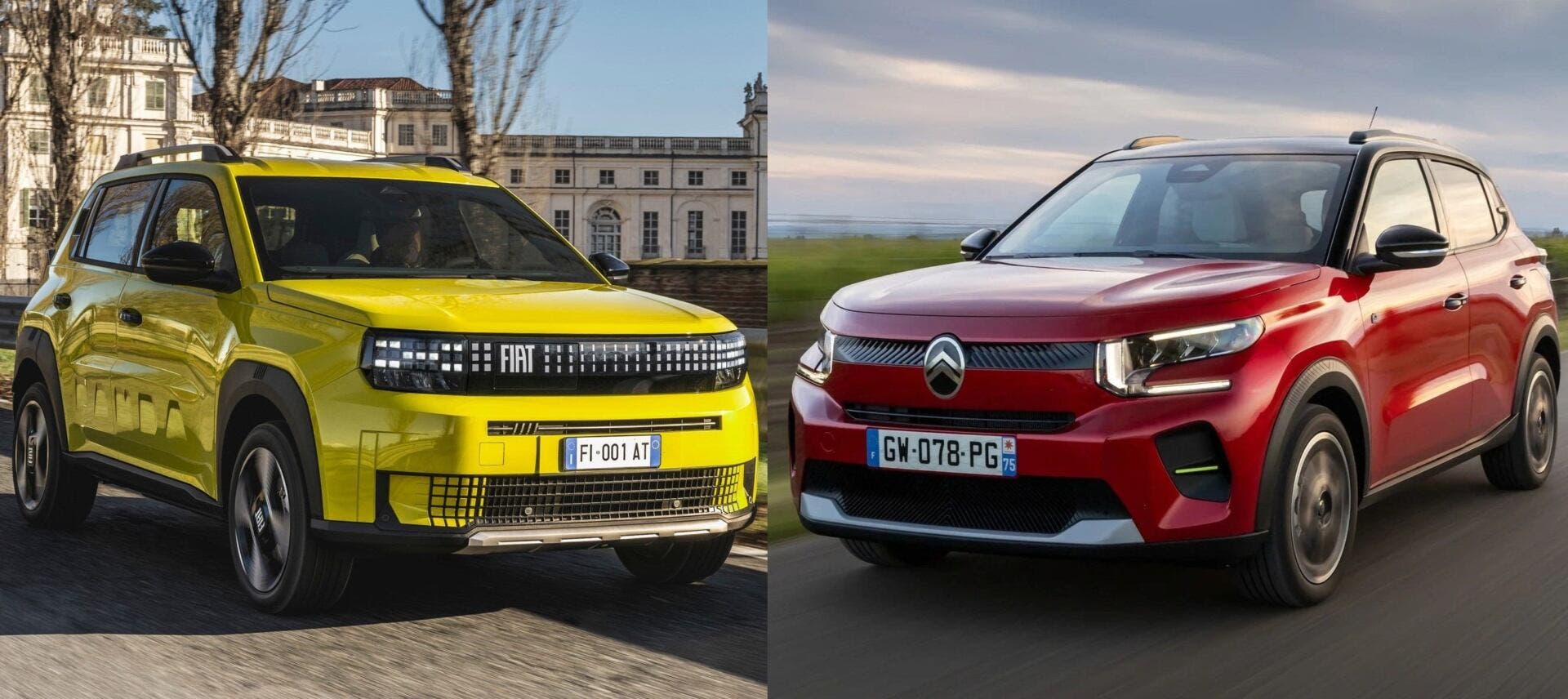
The mission given to the French designer appears fairly clear. He must give the group’s European brands a stronger and more immediately recognizable identity. Stellantis does not simply want to separate its cars more clearly inside the group. It also wants to prevent its own brands from competing against one another instead of taking on outside rivals. Vidal’s underlying idea starts from a simple reality. People do not buy a “Stellantis” car. They buy a Fiat, a Peugeot, a Citroën, an Opel, or an Alfa Romeo. Each brand therefore needs a distinct face, a recognizable design language, and a product philosophy that fits its own history.
Vidal knows this kind of work well. During his earlier time at Peugeot, he left a strong mark on the brand’s design revival and helped introduce the i-Cockpit. He now believes Stellantis can continue to share technical foundations while still making its cars look and, even more importantly, feel more different from one another. He is not thinking only about styling. He is also thinking about driving feel, character, and the overall perception each brand creates. Vidal has pointed out that during the old PSA era, the company managed to create highly distinct vehicles from shared technical programs, and his current work appears aimed at bringing that level of differentiation back.
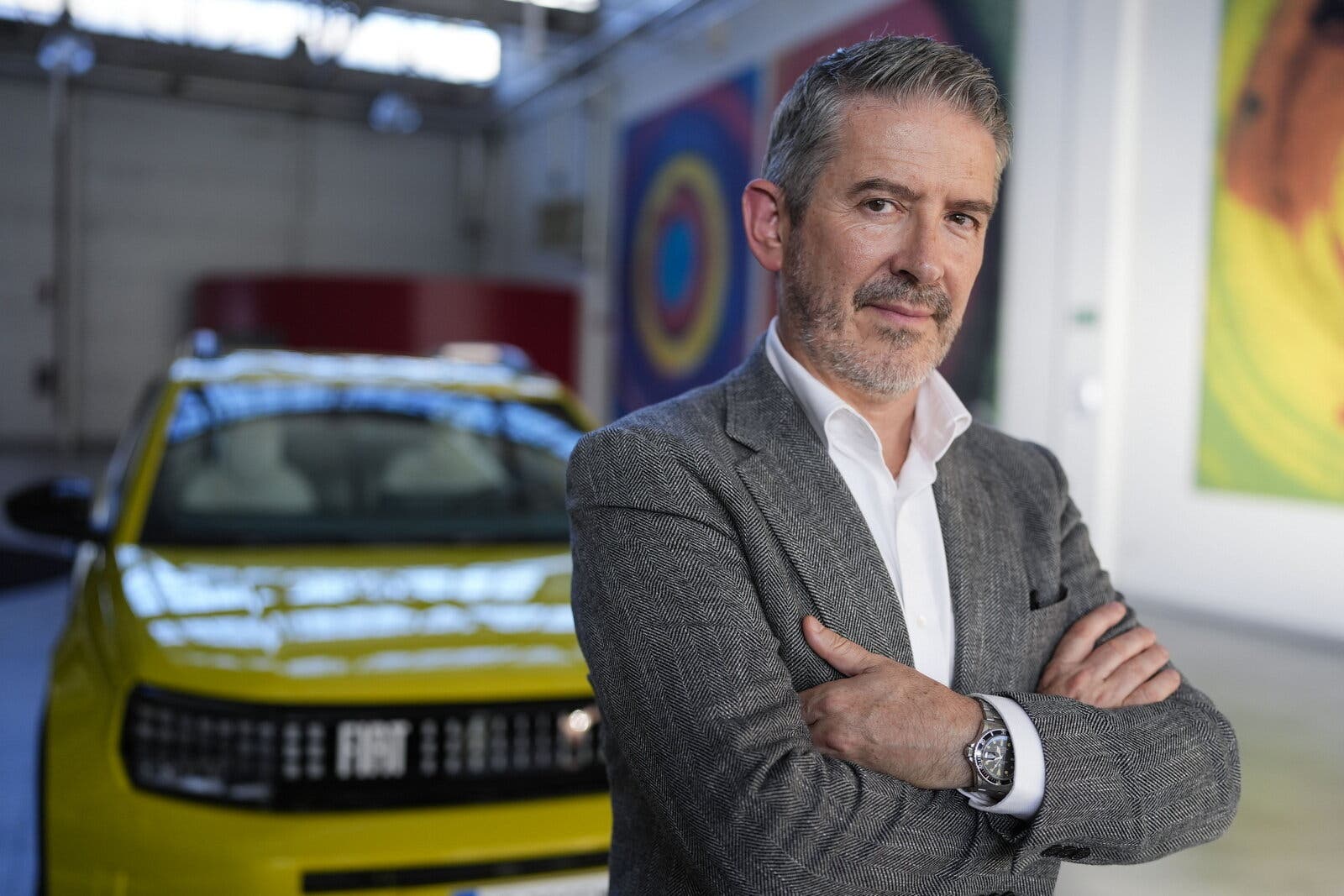
Each brand should therefore follow a more clearly defined direction. Peugeot will continue to focus on innovation and elegance. Citroën will strengthen its accessible but original image. DS will keep its role as the French premium brand. Fiat will develop a true family of models inspired by the Grande Panda philosophy. Opel and Vauxhall will need to emphasize their German character more strongly, while Alfa Romeo will remain tied to driving pleasure and a direct relationship with the driver. Among all the group’s brands, however, Vidal believes Maserati needs a design renewal more than any other. That may well make Maserati one of the most interesting cases in the next phase of Stellantis’ evolution.