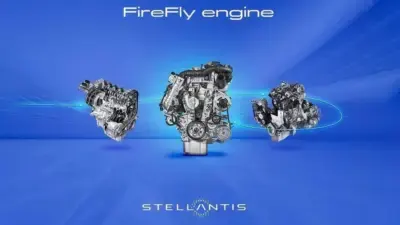
Stellantis may be considering a gradual shift away from compact gasoline engines that use a wet timing belt in favor of Firefly-family engines, which rely on a timing chain instead. The report, first published by the Brazilian magazine Quatro Rodas and still unconfirmed officially, touches one of the most sensitive issues in the group’s recent history. Several 1.2 PureTech engines have faced reliability problems tied to premature belt deterioration, a flaw that led to recalls, legal disputes, and reputational damage that remains visible in several European markets.
Stellantis may turn to Firefly engines as it looks beyond the PureTech era
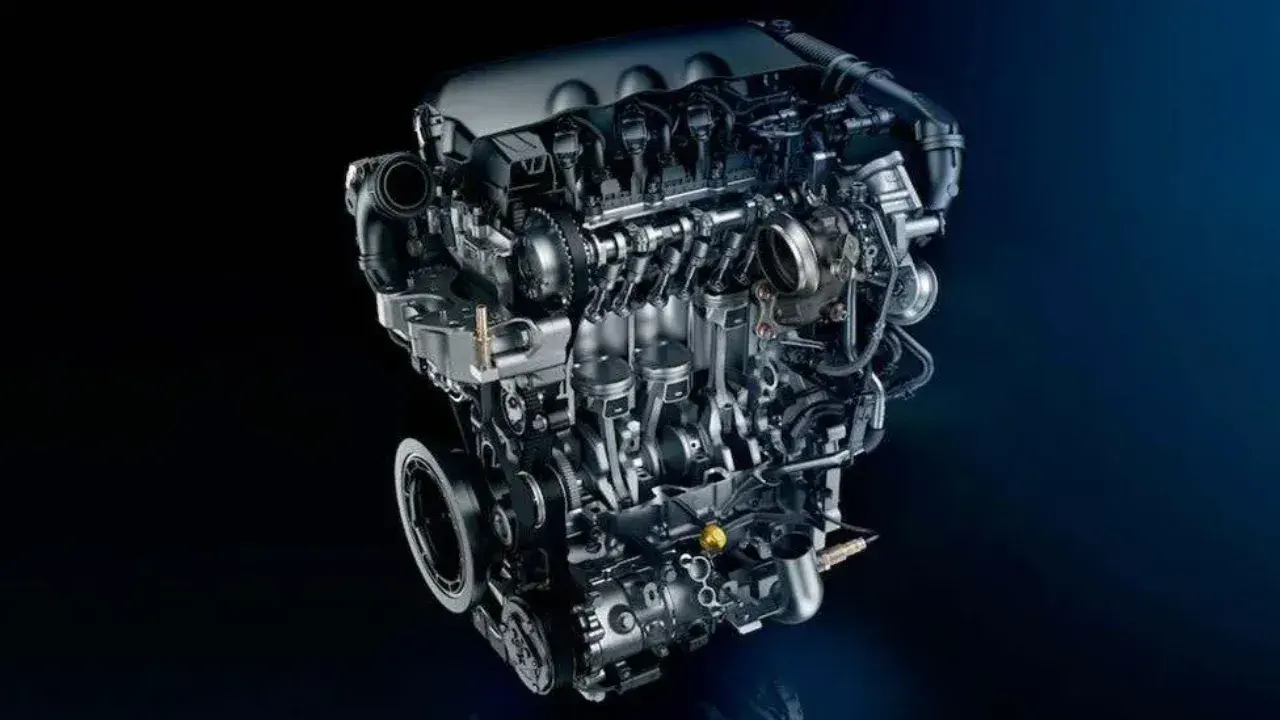
Firefly engines would not represent a technological novelty for Stellantis. The group already uses this engine family in various forms and markets across brands such as Fiat and Jeep, alongside the later GSE Turbo evolutions. Compared with a wet timing belt, a timing chain generally carries a stronger reputation for long-term durability. If Stellantis were to expand these engines in Europe, the move could help the company close the most problematic chapter of the PureTech era and rebuild trust with customers who have become deeply wary on this front.
According to the same source, a larger role for Firefly engines in Stellantis’ European strategy would also shift part of the group’s technical center of gravity away from powertrains inherited from the PSA side and toward engines originally developed within Fiat, with Italian and Brazilian engineering roots. That change would at least partly reshape the internal balance between the two historical sides of Stellantis when it comes to combustion powertrains.
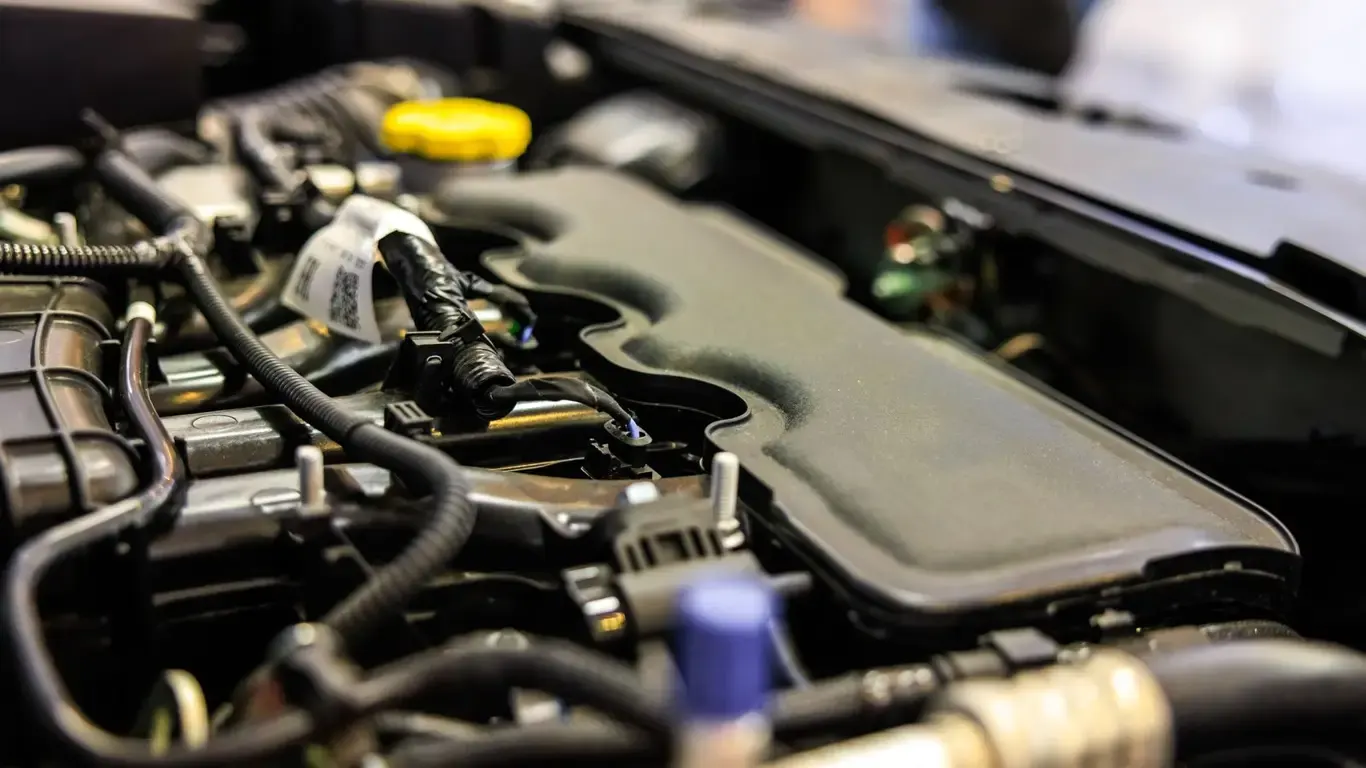
Even so, any European expansion would require major updates in order to meet future Euro 7 standards. Reports have already mentioned possible 48-volt mild-hybrid architectures, electrified dual-clutch transmissions, and broader efficiency improvements. Without those changes, Firefly engines in their current form would likely struggle to meet the regulatory requirements expected in the coming years.