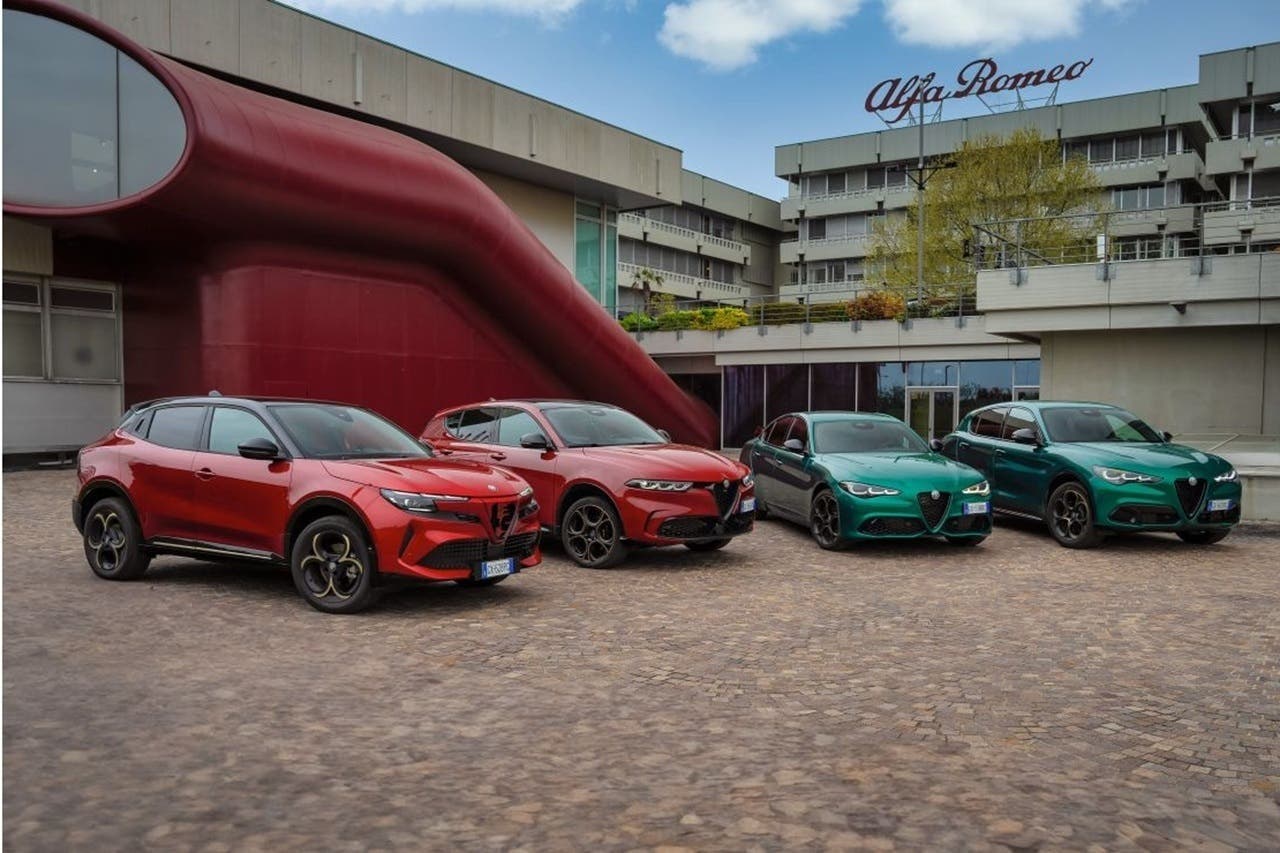
On May 21, Antonio Filosa will present Stellantis’ new industrial plan in Detroit, and that day could matter a great deal for Alfa Romeo. Reports that have circulated in recent weeks describe a group that may be rethinking the way it allocates investment across its 14 brands, moving toward a more selective approach in which the largest share of capital would go to a small group of brands considered essential for volume, margins, and international presence. Jeep, Ram, Peugeot, and Fiat appear to be at the front of that line, the brands expected to carry most of the industrial and technological transformation over the next few years.
Alfa Romeo faces a Stellantis turning point as focus shifts to key markets
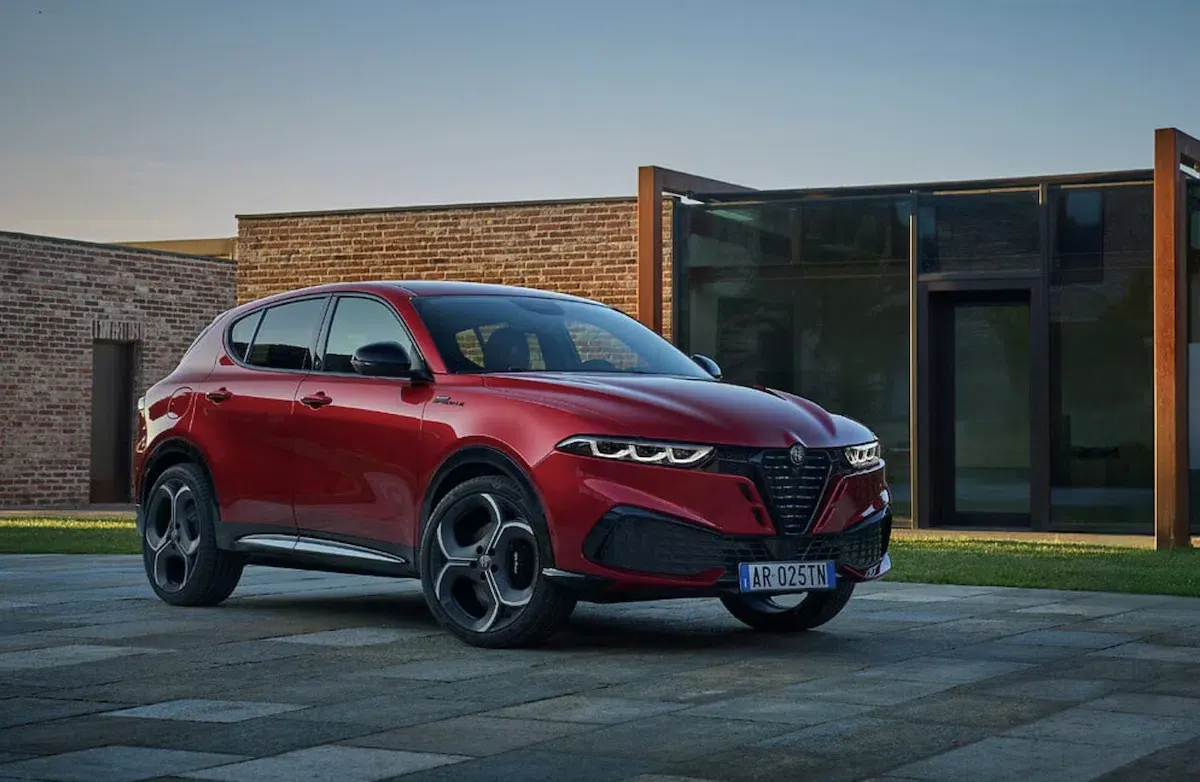
For Alfa Romeo, that would not mean disappearing from the map, but entering a different and probably more demanding phase. The idea would be to manage the brand with a more targeted logic, focusing on the markets where its image remains strong and where real commercial potential still exists, without chasing a global presence at any cost. Less dispersion, more focus, and a more controlled kind of growth than the one the company pursued in the past.
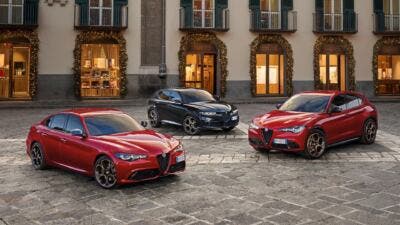
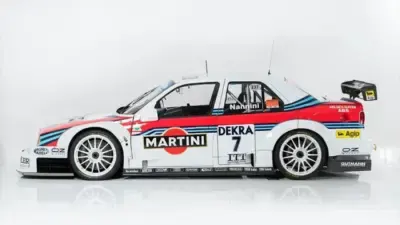
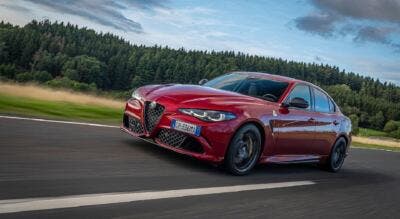
The real issue, however, remains the same. Alfa Romeo still has a very strong heritage in terms of image, sportiness, and driving pleasure, but in recent years it has struggled to turn that capital into industrial results proportional to its reputation. The Giulia, Stelvio, and Tonale have shown quality and identity, yet the core challenge remains the ability to build a lineup that is at once recognizable, credible, and profitable.
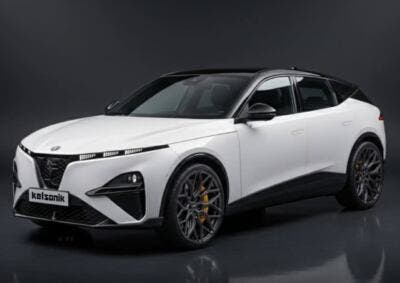
In the new context, the brand could rely more heavily on platforms and technologies developed for the group’s stronger marques, reducing the burden of direct investment. But that kind of advantage would work only if Alfa Romeo can preserve a genuine personality, and for Alfa the difference cannot stop at design. It needs specific tuning, a recognizable dynamic character, and a level of perceived quality that truly sets the product apart from what Stellantis offers under other badges.
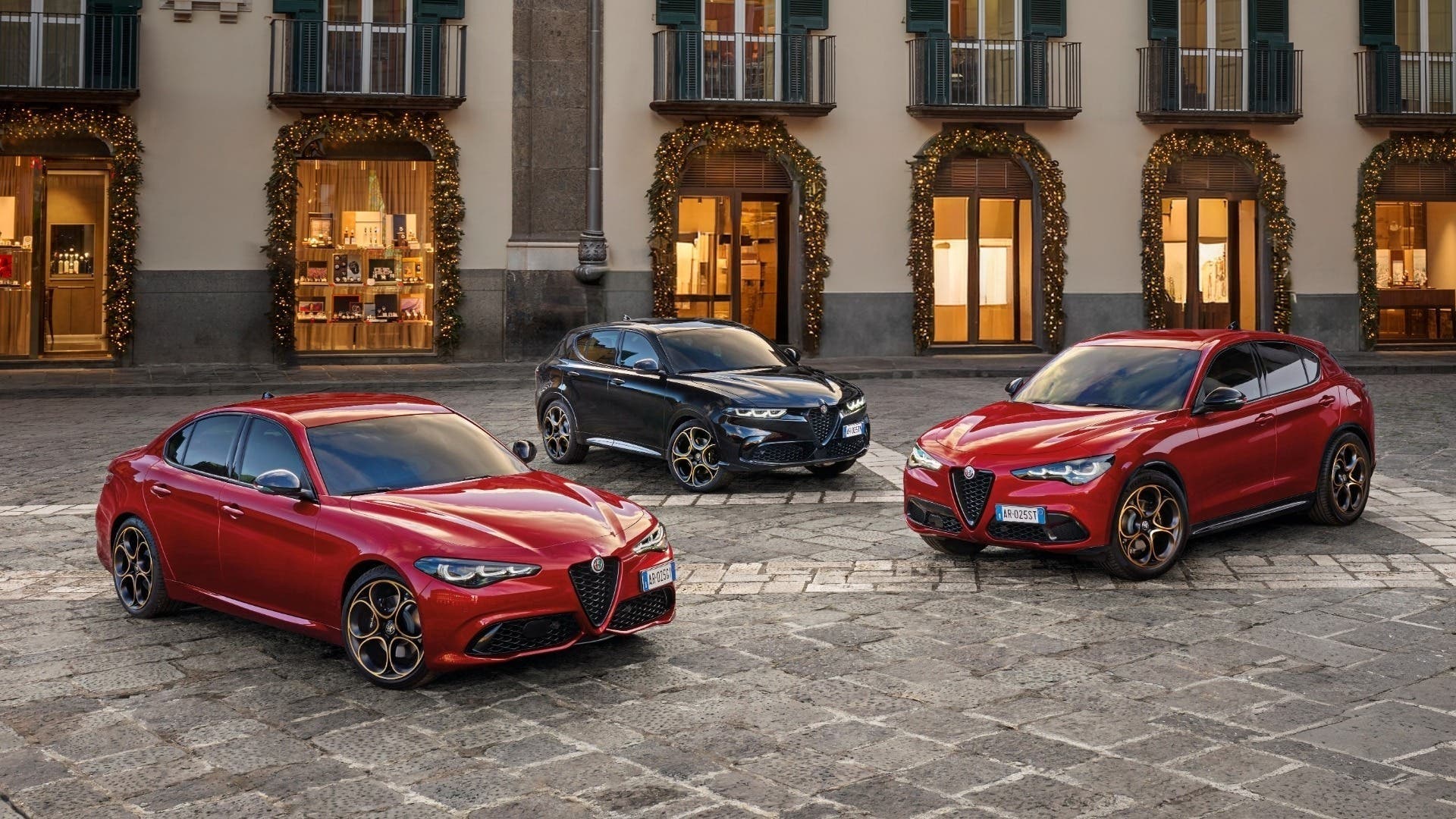
That is also why the possible increase in shared technical bases and lineup adaptations is being viewed as such a sensitive issue. If Stellantis pushes further down that road, Alfa Romeo will need to avoid the risk of looking like a styling variation of other group models, because its audience would be very unlikely to accept any loss of authenticity.
Filosa’s plan does not seem to place Alfa Romeo in front of closure, but rather in front of a serious test, proving that it deserves space and investment not because of its history, but because of its ability to create value right now. The brand’s future could become narrower, but also more clearly defined than it has been in recent years.