

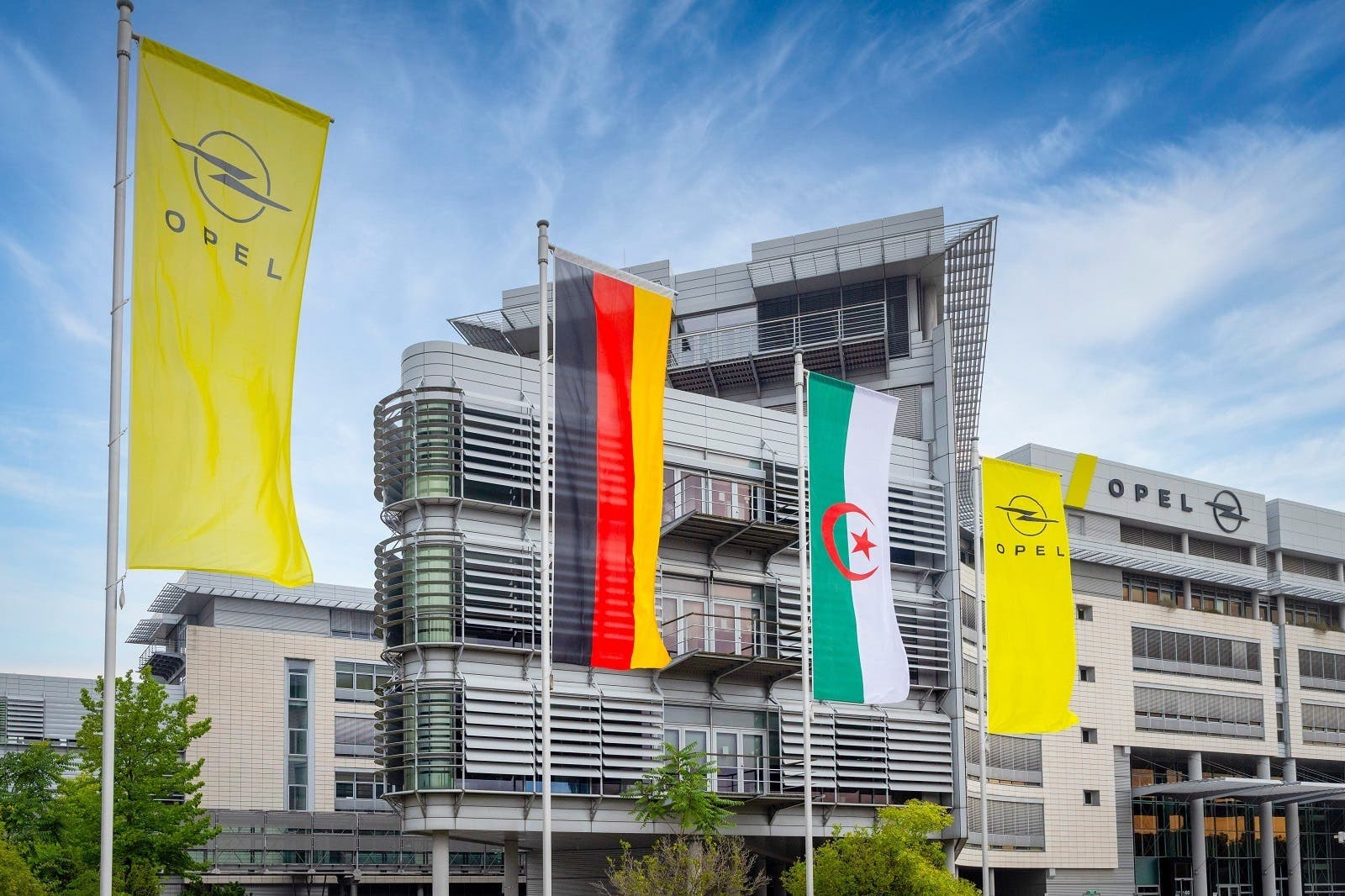
Fiat has produced vehicles in Algeria since late 2023, and Opel now plans to follow a similar path. Peugeot and Citroën, however, remain absent from Stellantis’ main industrial programs in the country, prompting debate in France over the economic and diplomatic factors that may influence the group’s decisions.
Stellantis strategy raises suspicions over the future of Peugeot and Citroën
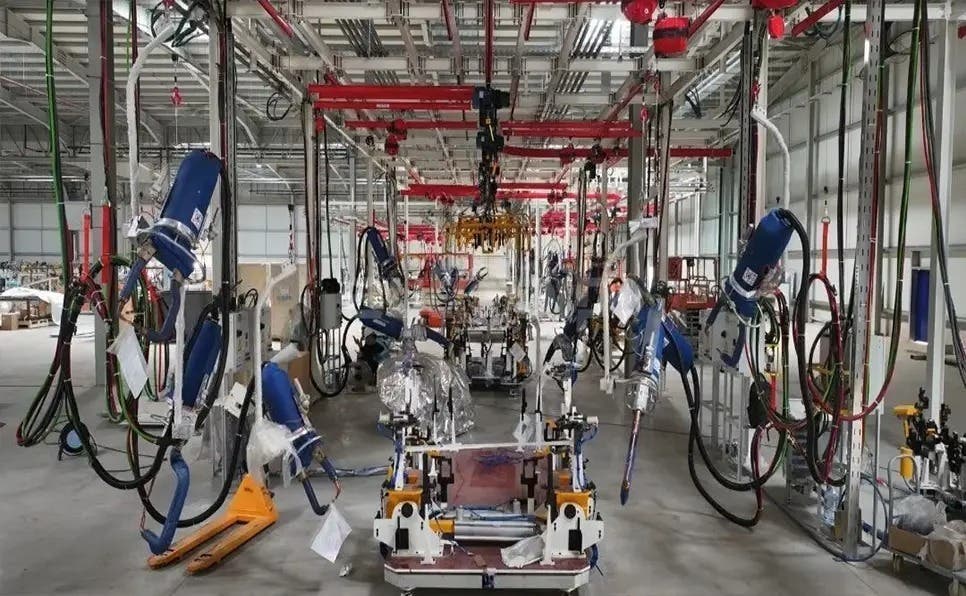
Fiat’s Tafraoui plant near Oran assembles the Doblò, 500, and Grande Panda. Since operations began, the facility has reportedly built more than 80,000 vehicles. Stellantis aims to reach 90,000 units in 2026 while increasing the share of locally sourced components to more than 30 percent.
The industrial program still faces major challenges. In 2024, the factory produced just over 18,000 vehicles as Algeria’s underdeveloped supplier network, shortage of skilled workers, and bureaucratic procedures limited output. Raising production will therefore require more than additional manufacturing capacity. Stellantis must also help develop a local supplier base capable of supporting the plant.
Opel will represent the next stage of the strategy. CEO Florian Huettl confirmed plans to build vehicles in the country and signed a letter of intent that also covers future engine production. Opel’s announcement emphasized the brand’s German engineering expertise while giving less attention to its position within Stellantis.
Some French media outlets have linked the decision to focus on Fiat and Opel with Algeria’s international relations. Ties with Paris regularly go through periods of tension, while Italy and Germany appear less politically exposed. According to this interpretation, Stellantis may prefer brands that consumers do not immediately associate with France, reducing the risk that diplomatic disputes could affect commercial operations.
However, Stellantis has not confirmed this explanation. Peugeot and Citroën may remain outside the current projects for production-related reasons, because of their model positioning, or because the group wants to consolidate programs already underway. The company has not permanently ruled out either French brand from the market.
Renault’s previous difficulties help explain the cautious approach. The automaker launched a local manufacturing partnership in 2014, but regulatory changes, restrictions on imported components, and worsening relations between Algeria and France gradually reduced its activities. Its Oran plant eventually closed in 2023.
That experience shows how automotive investments can depend on factors far beyond factory management. Stellantis is advancing through brands with different national identities, while Peugeot and Citroën, once common on local roads, remain outside the most important production projects.
Describing this strategy as a deliberate sacrifice of the two French brands, however, reflects an interpretation by parts of the French press rather than an officially declared Stellantis policy.