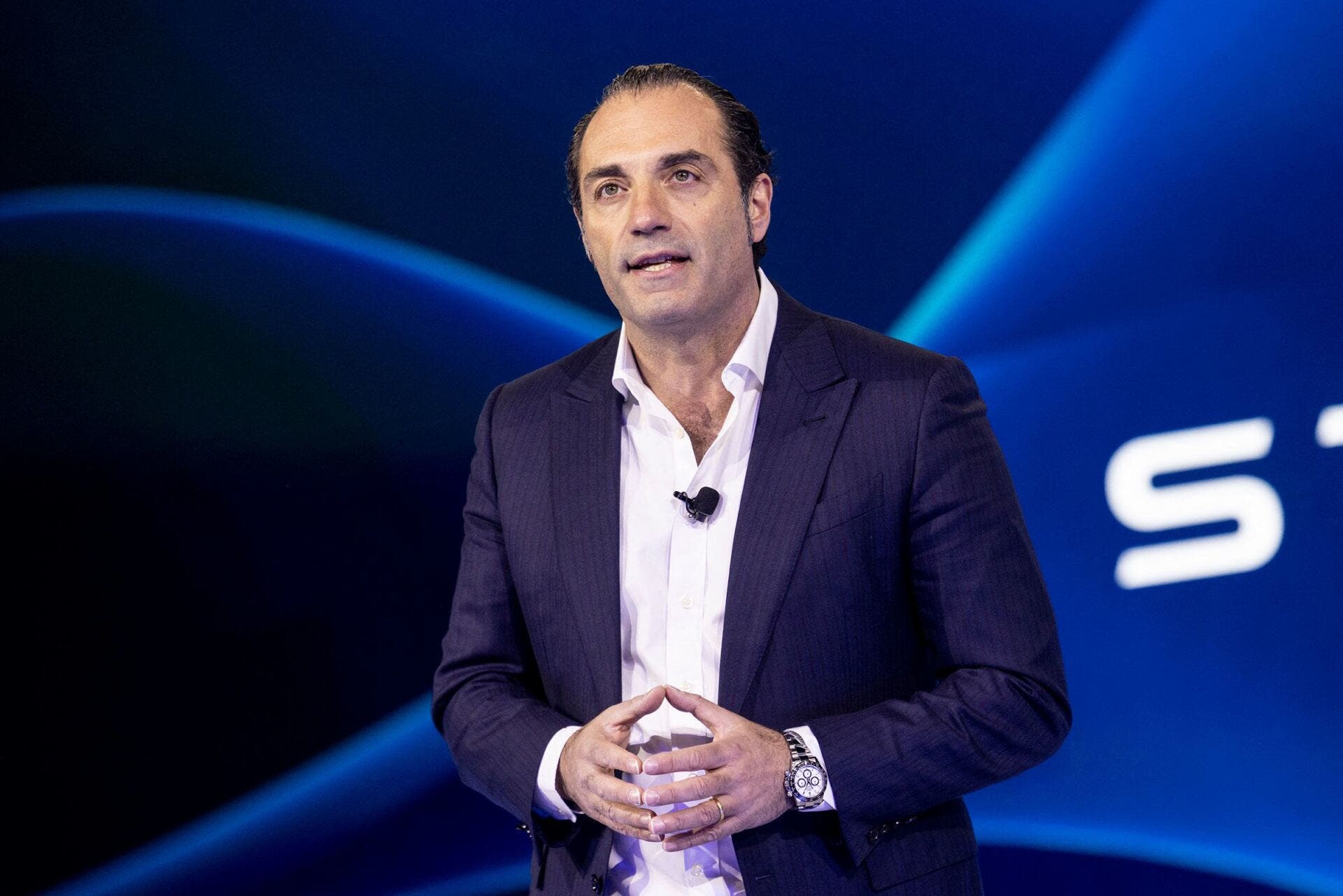
During a recent interview with the Financial Times, Stellantis CEO Antonio Filosa delivered a harsh assessment of the European Union’s new automotive plan, calling it inadequate and unable to trigger a real change of pace. According to the group’s chief executive, the announced measures fail to create the conditions needed to restart growth and, as a result, put Stellantis’ future investments in Europe at serious risk. “This package does not work. The EU does not offer a clear roadmap for growth,” Filosa said.
Stellantis warns EU policy risks weakening Europe’s auto industry

The Stellantis CEO then expanded on the issue, stressing that the lack of a credible growth outlook makes it extremely difficult to justify higher industrial investments. Without new capital, he explained, building a strong and resilient supply chain becomes far more challenging, undermining employment and the long-term stability of Europe’s manufacturing sector. Filosa also pointed to the absence of immediate measures to support the transition of light commercial vehicles, a segment he considers vital for the continent’s economy. In his view, policymakers have not introduced the urgent actions needed to revive Europe’s automotive industry, nor have they outlined a clear and credible roadmap. In this context, he concluded, “it becomes really difficult to think about investing more.”
Despite some regulatory openings, the new European plan continues to place electric vehicles at the core of its strategy, while gradually pushing internal combustion engines to the margins of the future market. According to Filosa, the much-discussed concept of technological neutrality therefore risks remaining a purely theoretical principle, without meaningful real-world application. Even with a potential easing of the ban on combustion engines, the regulatory framework remains heavily unbalanced and fails to provide manufacturers with sufficient certainty.
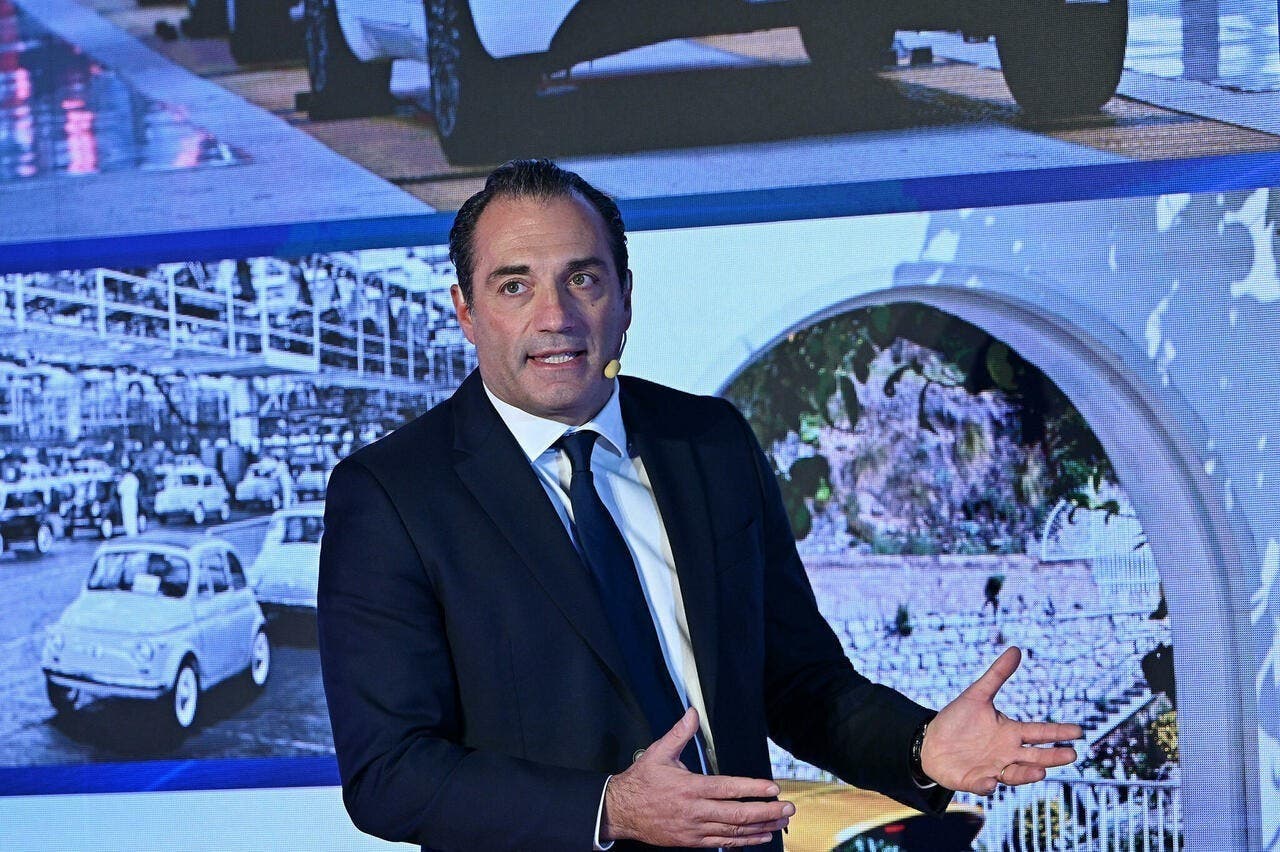
Filosa’s comments also point to an implicit comparison with the United States and China, where the shift toward electrification has gone hand in hand with massive public support, direct investment incentives, and aggressive industrial policies. In Europe, by contrast, the risk lies in getting stuck between very strict rules and weak support tools, a combination that could structurally weaken the competitiveness of the sector.
As Filosa underlined, this risk goes far beyond the financial results of large multinational groups and affects the entire European industrial ecosystem, which relies on complex supply chains, specialized skills, and hundreds of thousands of jobs. Without a more concrete, growth-oriented strategy, Europe’s automotive industry could face a very high price in the coming years.