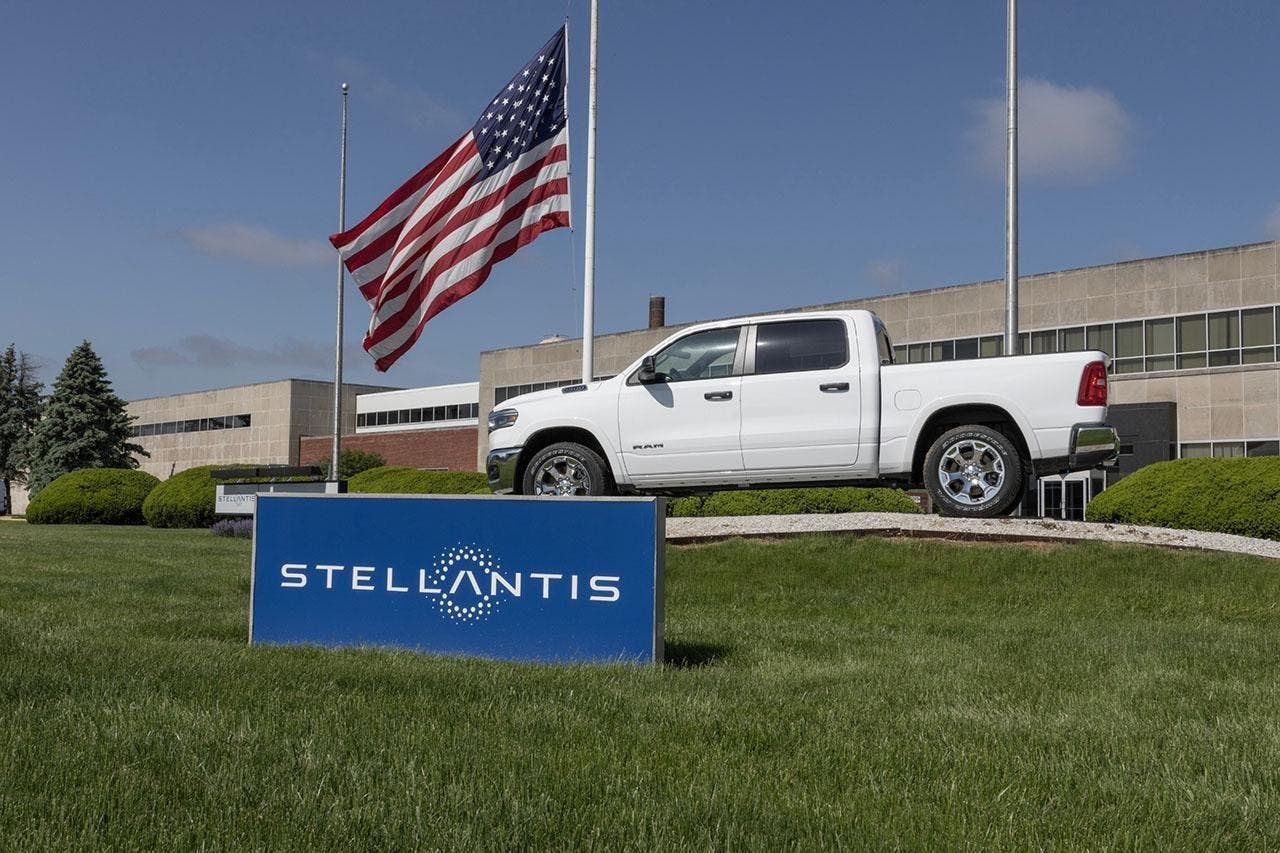
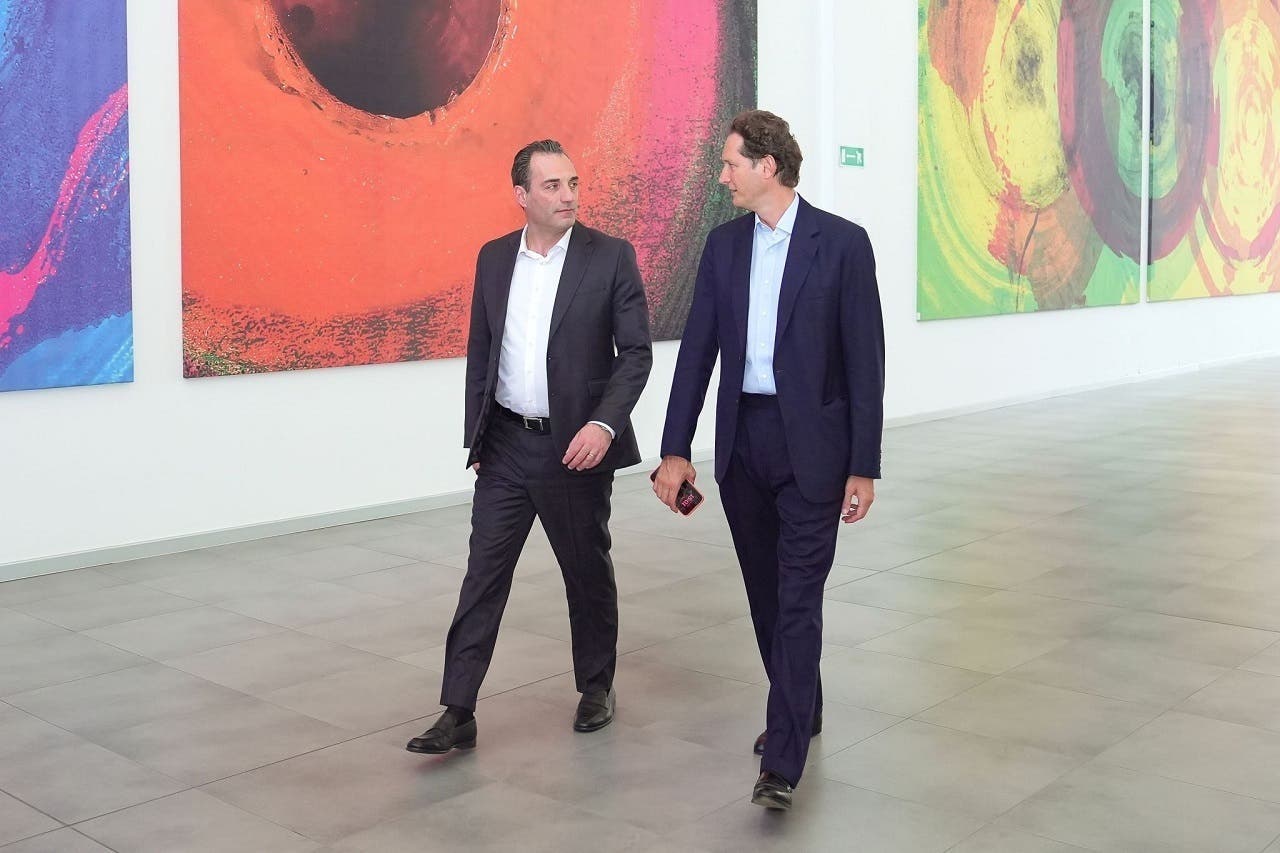
Exactly five years ago, Stellantis was created through the merger of Fiat Chrysler Automobiles and the PSA Group. It was January 2021, and the deal, one of the largest in automotive history, was led by Carlos Tavares and John Elkann. Today, Elkann remains chairman, while Tavares stepped away from operational leadership more than a year ago. His successor, Antonio Filosa, now faces the task of defining the group’s next phase through a new industrial plan expected later this year.
In its early post-merger years, Stellantis appeared financially solid, reinforcing confidence in the strategy behind the union. However, over the past two years the situation has shifted. Strategic pressure has increased, results have softened, and Tavares’ departure has marked a clear turning point, signaling the need for a broader rethink.
Stellantis marks five years as Filosa readies a major strategic shift
The year 2021 served mainly as a period of industrial stabilization. Global production stood at roughly 6.1 million vehicles, constrained by the semiconductor crisis and reduced factory output. Stellantis focused on high-margin models such as the Jeep Compass and Renegade, the Ram 1500, and Peugeot’s 3008 and 208. In 2022, volumes rose modestly to around 6.3 million units, supported by lineup rationalization and the debut of the Jeep Avenger, which embodied the group’s European EV ambitions. Growth continued into 2023, with production reaching about 6.4 million vehicles, largely driven by North America. By contrast, 2024 marked a reversal, with output falling below 5.8 million units and exposing weaknesses in product execution and EV competitiveness, especially compared with Asian manufacturers.
Between the EV Day in January 2021 and the Dare Forward 2030 plan unveiled in March 2022, Stellantis outlined an aggressive product roadmap designed to clearly position each brand. Five years later, as the group enters what it calls “Phase 2” under Filosa’s leadership, that roadmap appears open to revision. The upcoming industrial plan could significantly reshape priorities set during the previous management era.
At this five-year milestone, attention is increasingly shifting back to the product itself. Platforms are in place, yet not all have translated into concrete models. Brand identities have been preserved, but their relaunch paths vary widely, and several plants remain underutilized. The leadership change reflects a broader philosophical shift, from a focus on volumes and margins toward greater emphasis on perceived product value.
Within the brand portfolio, Fiat and Citroën continue to anchor the entry-level segment, relying on the Smart Car platform and upcoming compact SUVs. Peugeot has strengthened its mid-market position through technology and battery development. Abarth continues to search for a convincing identity in the electric era, while Opel struggles to clearly differentiate itself. DS remains focused on comfort and premium positioning, placing high expectations on future models like the DS N°7.
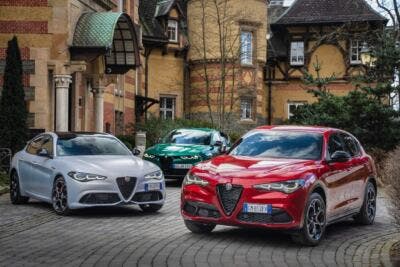
In Italy, Alfa Romeo, Lancia, and Maserati are navigating a complex transition between product renewal and electrification. Jeep retains strong global SUV recognition, even as European regulations tighten. In the United States, Ram, Dodge, and Chrysler face distinct challenges tied to repositioning and continuity. Overall, Stellantis continues to pursue a multi-energy strategy, aiming to adapt to regional markets while maintaining competitiveness. The coming months will be crucial in defining where the group goes next.