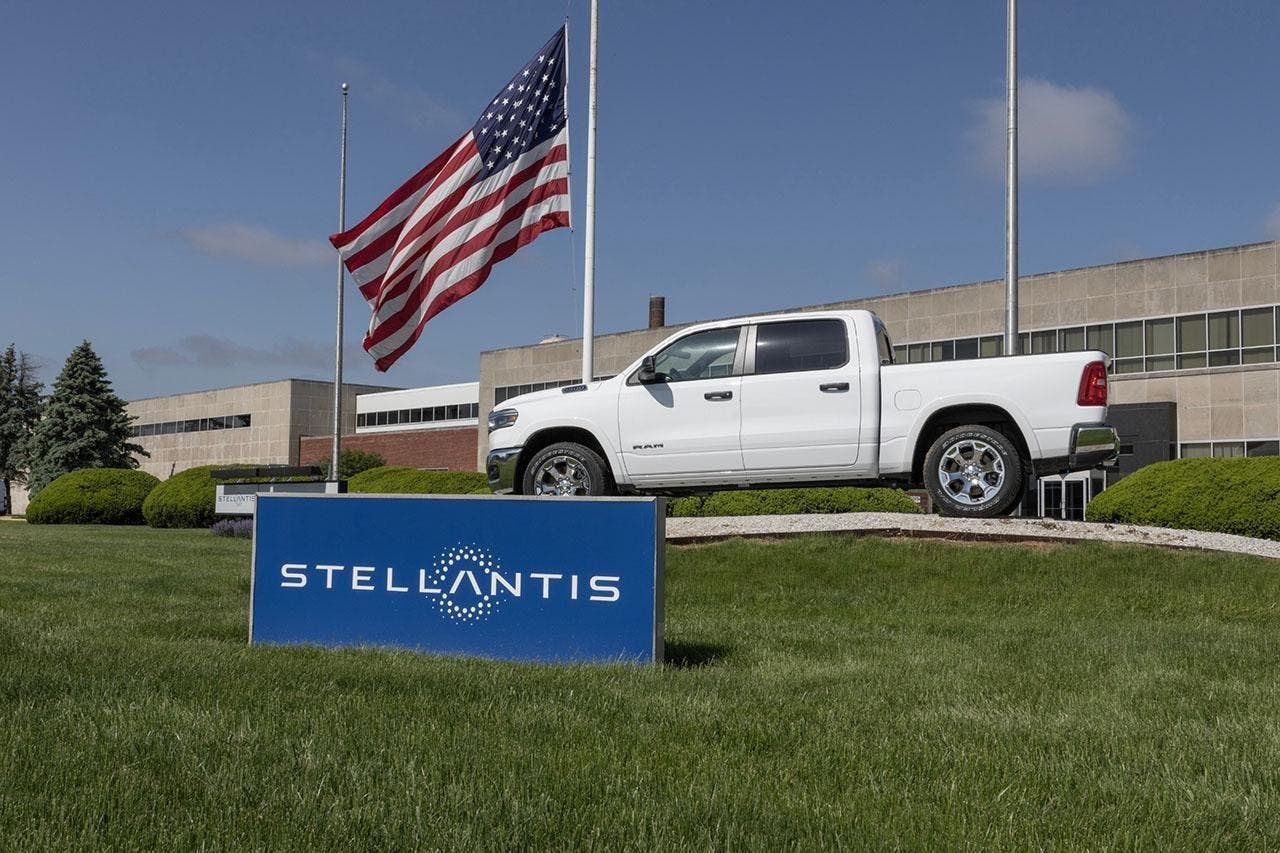
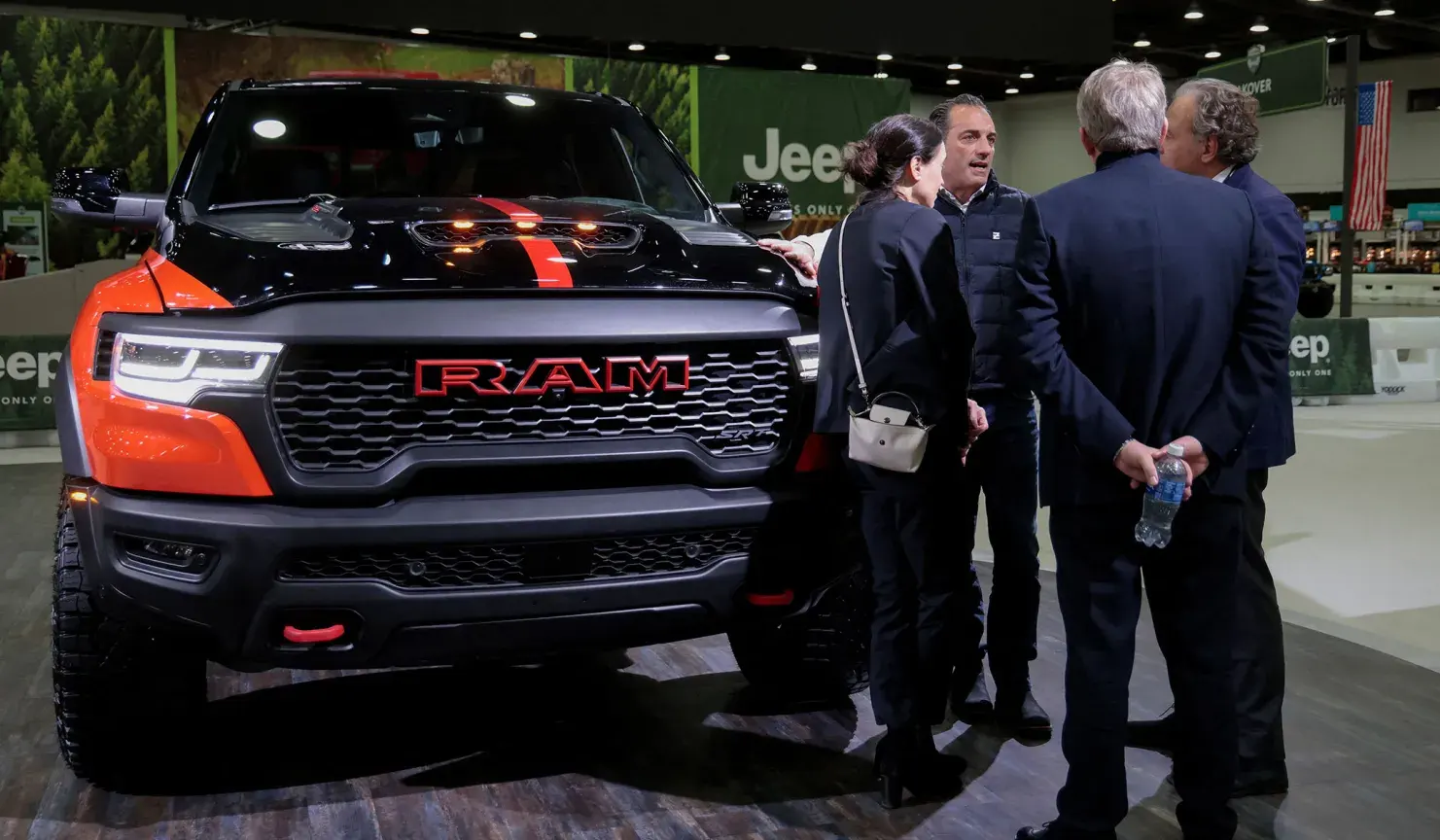
Stellantis CEO Antonio Filosa has had a revelation. Maybe people actually want cars they can afford. Speaking at the Detroit Auto Show, Filosa acknowledged the industry’s massive affordability crisis and signaled a sharp pivot from the high-margin, high-price strategy of his predecessor, Carlos Tavares.
The new mission seems to be redefining price points and launching smaller, budget-friendly models. Filosa hinted that Stellantis is looking to expand its “propositions under $40,000” and is even considering options below the $30,000 threshold. Currently, the brand’s floor in the US is the Jeep Compass, which barely scrapes by at just over $30,000 for the 2026 model.

To fill the void left by the now-defunct Ram 1500 Classic, a new mid-size Ram pickup is slated for next year to act as a more accessible entry point for truck lovers. Interestingly, the much-touted $25,000 Jeep EV promised during the Tavares era appears to be dead in the water. At least as an electric-only affair. Filosa suggested that while a vehicle in that price range is still coming, it will likely feature different powertrains better suited to current market realities and dazi-induced price pressures from the Trump administration.
Since taking the helm six months ago, Filosa has been on a whirlwind “reconciliation tour,” attempting to mend fractured relationships with dealers, suppliers, and the United Auto Workers (UAW). He’s also looking to the future with a $13 billion investment plan over the next four years, focusing on R&D, centralized computing architecture, and autonomous driving.
Following a secretive scouting trip to Silicon Valley, where he apparently rubbed shoulders with tech elite, Filosa is betting that better software will help pull the company out of its 3% sales slump. Whether a cheaper Jeep and a new Ram can reignite the highly profitable American market remains to be seen, but the CEO’s new “strategy of value” is a clear sign that the era of the $80,000 SUV might finally be hitting a wall.