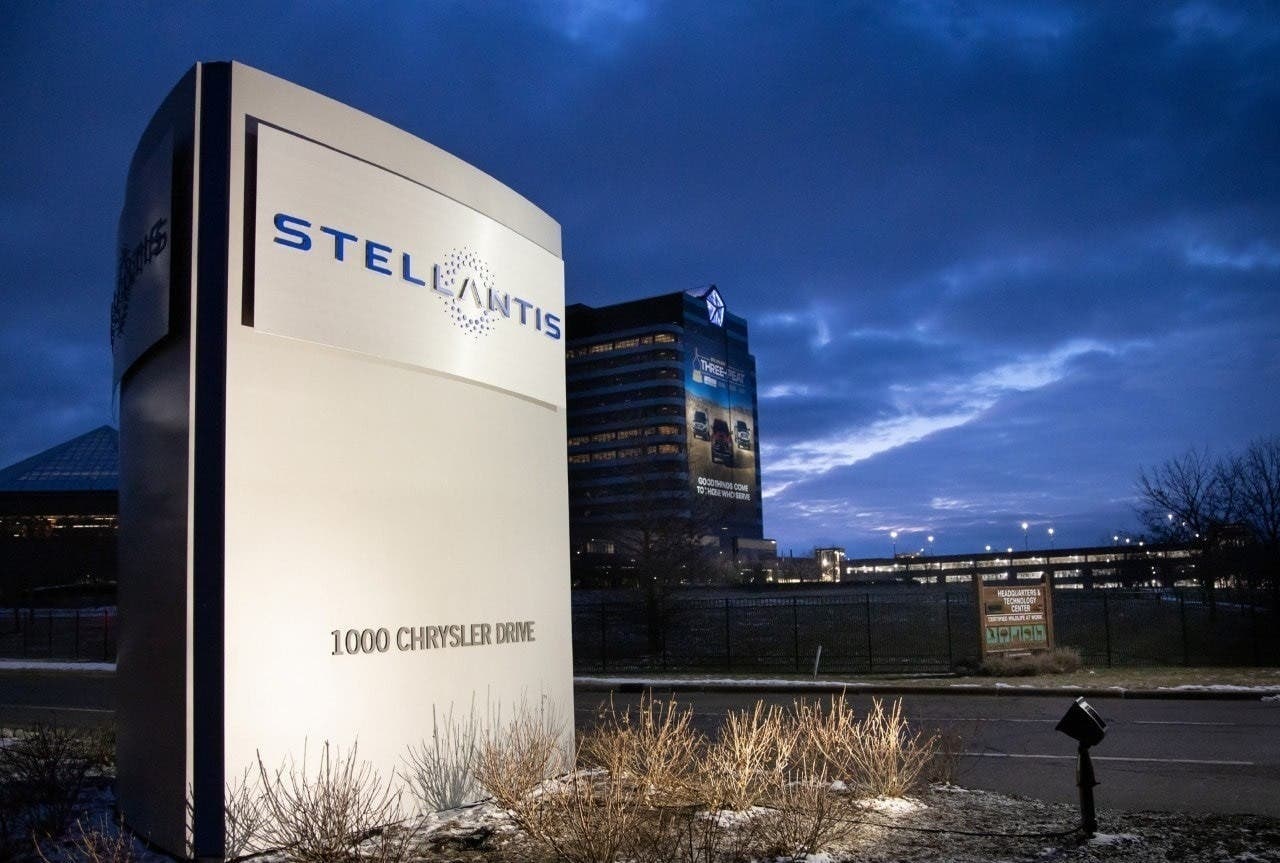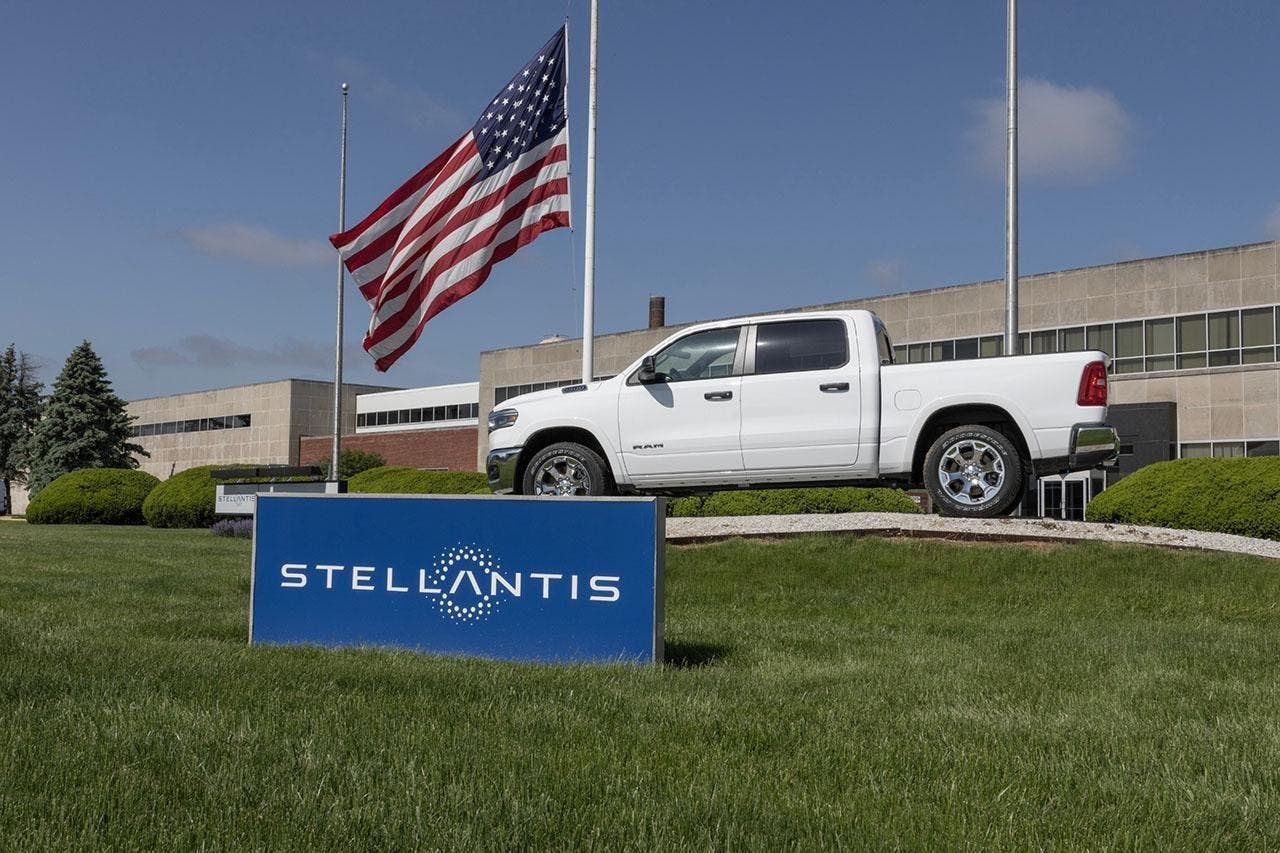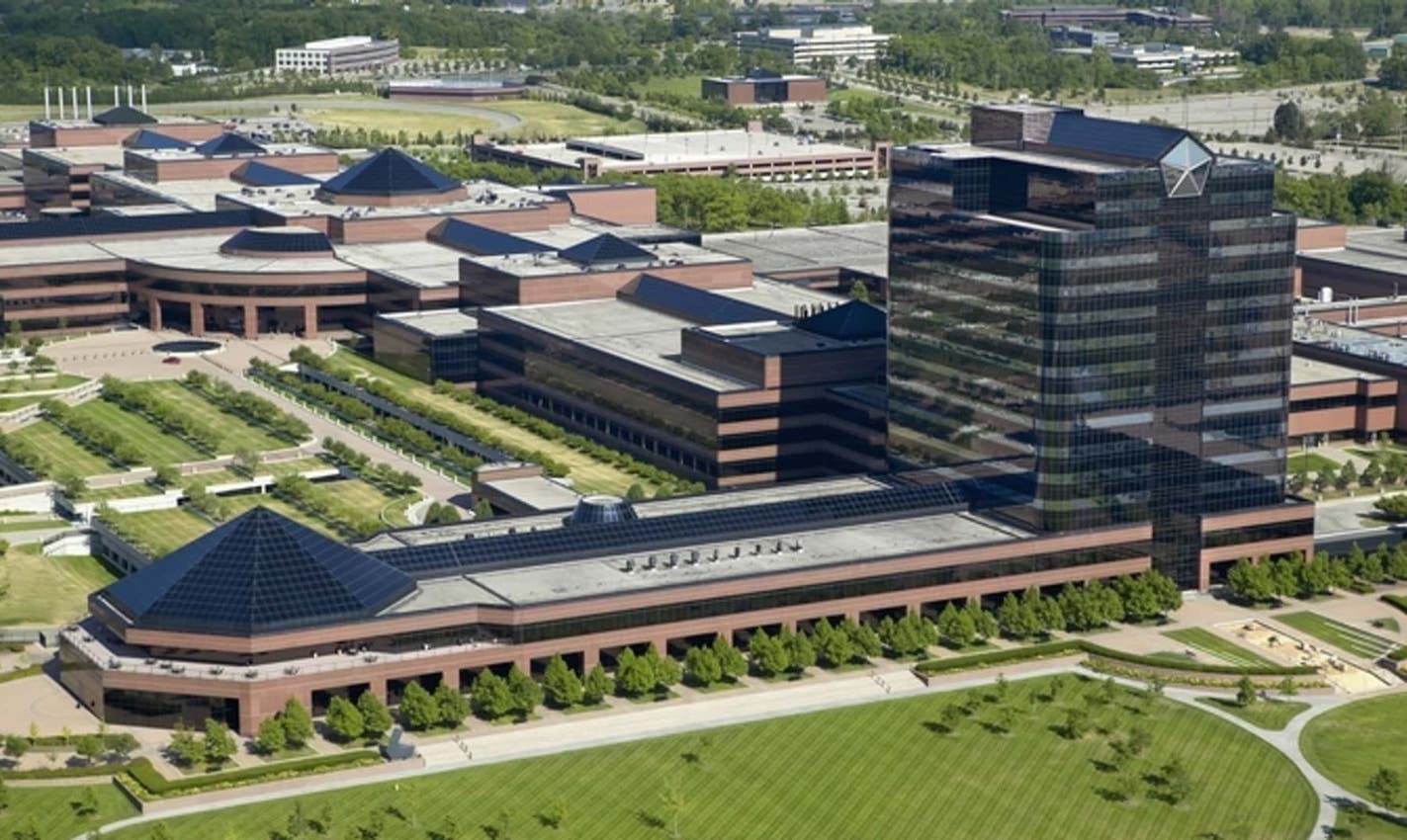
Full-time office work is becoming a reality at Stellantis as well. Starting March 30, all U.S.-based employees will have to leave remote work behind and return to the office five days a week. The move follows a growing trend in the automotive industry, as Ford had already taken a similar step in recent weeks.
The company communicated the decision through an internal email accompanied by a document titled “Winning Together” which presents the change as a strategic move for the entire organization. Management, led by CEO Antonio Filosa, pointed to several key reasons behind the decision. These include strengthening the company’s innovation culture, improving customer satisfaction, and creating better opportunities for mentoring and professional development.
Stellantis ends remote work for U.S. employees, mandates five days in the office
A company spokesperson who spoke with Business Insider explained that Stellantis believes stronger in-person collaboration plays a crucial role in improving teamwork and efficiency. According to this view, daily physical interaction with colleagues, vehicles, and technologies gives the company a competitive advantage that remote work cannot easily replicate.
The transition to this new working model will not happen at the same pace everywhere. In the United States, the company plans to complete the shift within two months, while other countries will need more time to upgrade facilities and accommodate all employees at once. This challenge carries weight, especially because many offices originally adapted their layouts to support hybrid work rather than full on-site presence.

Stellantis has already moved in this direction before. In March of last year, the company informed U.S. employees that they would need to return to the office between three and five days a week. That request now appears to have served as a first step toward fully ending remote work.
The decision fits into a broader debate currently shaping corporate America. After the pandemic demonstrated that many jobs could function effectively from home, several large companies now reverse course. While motivations differ, many executives argue that physical presence strengthens innovation, training, and a sense of belonging, elements they believe remote work tends to weaken.