

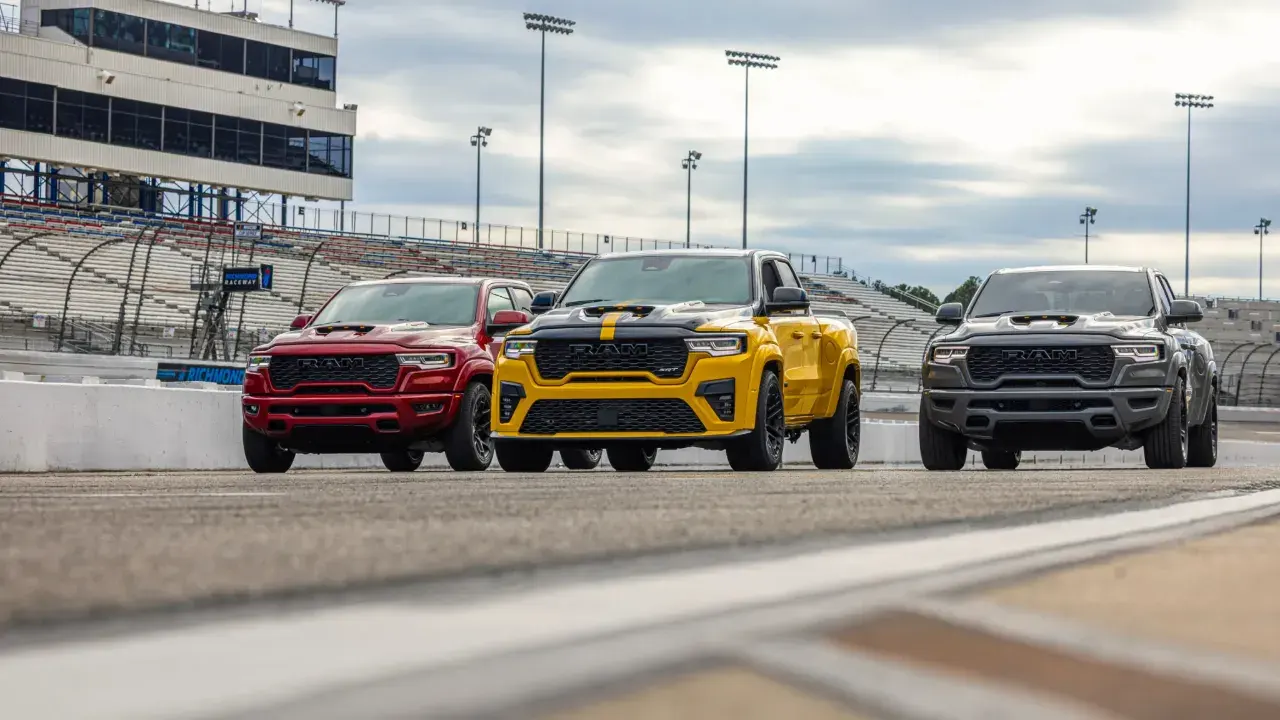
Building a transcontinental automotive empire sounds great, but you cannot pay the bills with Franco-Italian synergy when your American dealerships are choked with overpriced SUVs. It’s the reality check of Stellantis: a massive automotive jigsaw puzzle that is currently scrambling to fix a catastrophic $26 billion net loss from 2025.
The culprit? A massive write-down after years of aggressively burning cash on an electric vehicle transition that went nowhere, combined with an aggressive pandemic-era strategy of selling hyper-expensive trucks.
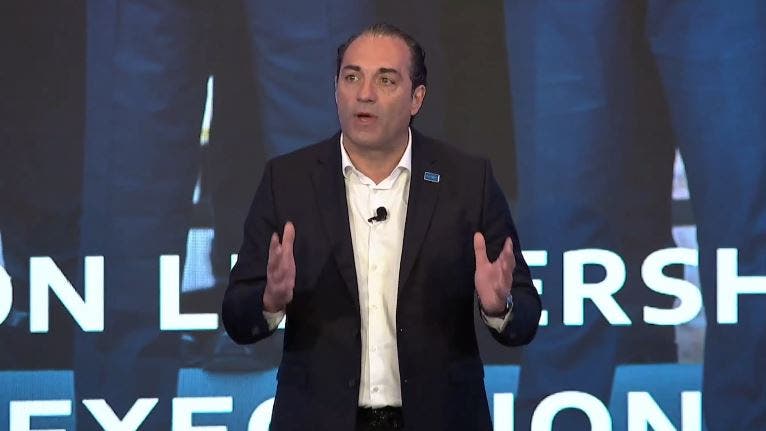
Enter CEO Antonio Filosa, the veteran executive handed the keys to this skidding vehicle after Carlos Tavares bowed out in December 2024. Filosa’s newly unveiled $70 billion turnaround strategy is essentially a massive, expensive apology tour to American buyers and frustrated dealerships. The plan is simple: stop pretending everyone wants a $70,000 electric crossover and start building cars people can actually afford.
Stellantis is narrowing its focus down to its “four key brands”, Jeep, Ram, Peugeot, and Fiat, which will gobble up 70% of the company’s total product investment. For the North American market, this translates to an absolute blitz of 11 entirely new vehicles designed to claw back market share.
Crucially, seven of these new models will land below the $40,000 mark, with two dropping under $30,000. Even Chrysler, a once-proud legacy nameplate that has spent the last few years operating essentially as a glorified single-minivan boutique, is scheduled to receive three new compact SUVs, including a budget-friendly entry-level option.
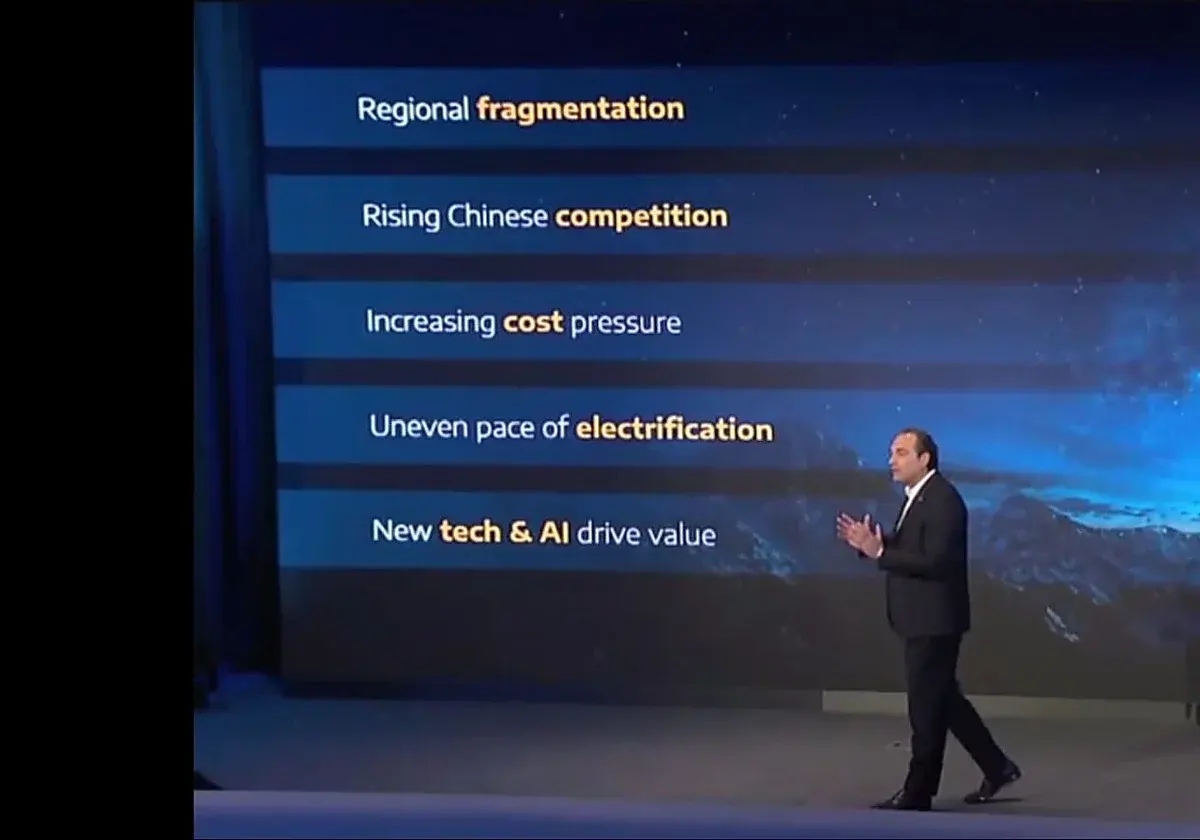
But the real irony lies in the spectacular engineering regressions. To win back the heartland, Stellantis is aggressively reversing its previous eco-conscious mandates. Jeep has already revived the standard Cherokee after a bizarre hiatus, and Ram is happily dropping the legendary, gas-guzzling V8 HEMI back into its trucks, completely discarding the previous administration’s fuel-sipping V6 plans. With the Trump administration actively dismantling fuel economy regulations, Ram has even axed its American plug-in hybrid production in favor of raw, unadulterated, high-performance gasoline muscle.