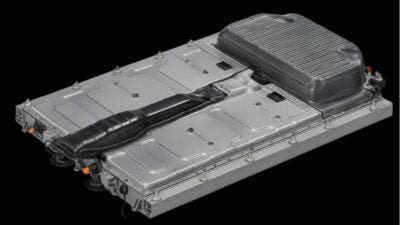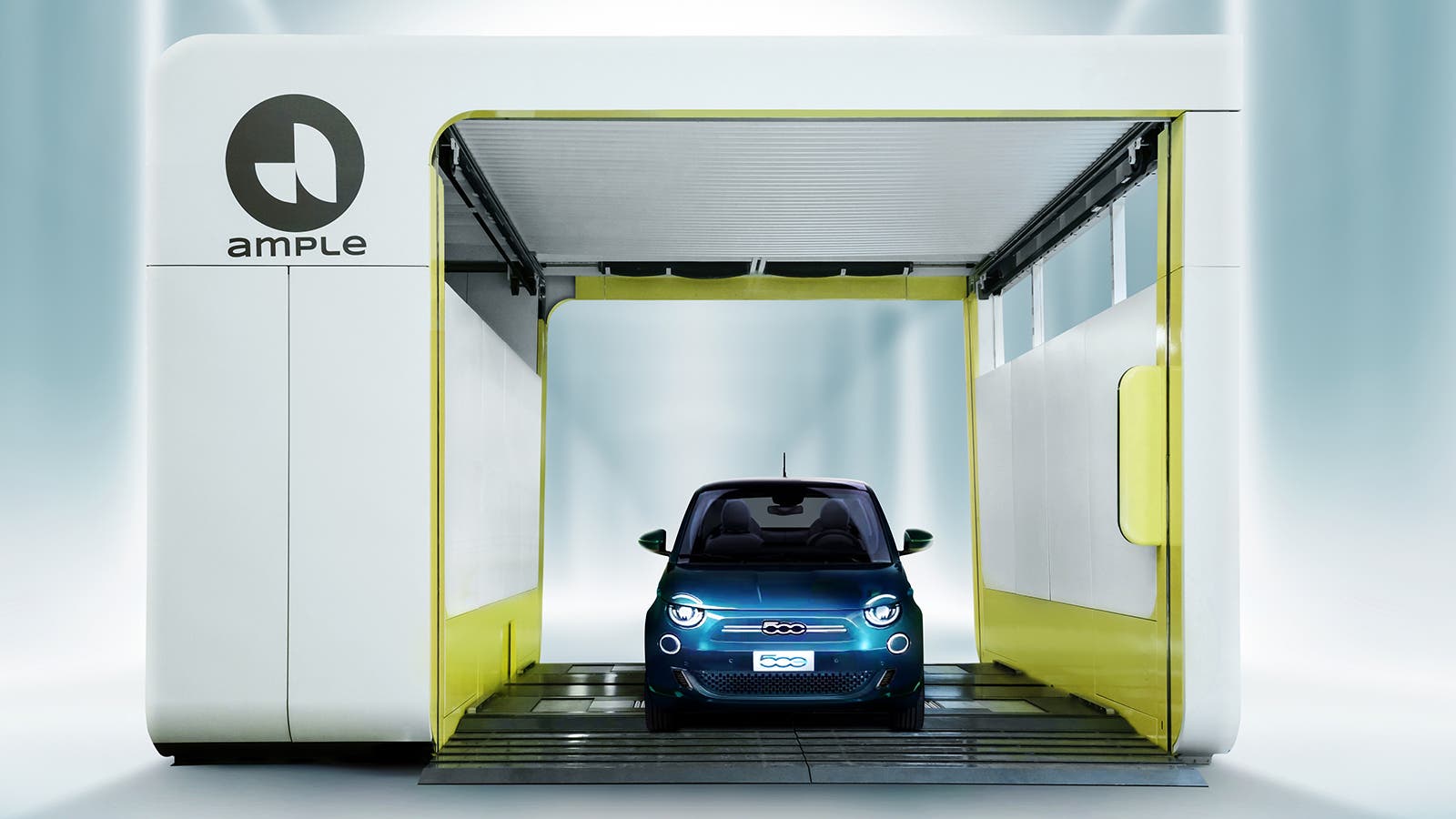
Battery swapping was supposed to offer a shortcut to the future of electric mobility, but reality proved far more complex. Despite the disappointing results achieved by NIO, a pioneer of this technology, Stellantis also decided to give it a try by backing the US startup Ample. However, the experiment lasted only a short time.
Just six months after operations began, Ample raised the white flag. The company filed for Chapter 11 bankruptcy protection in the United States, with the case submitted to the Southern District of Texas. It was a rapid downfall for a business that aimed to revolutionize the way electric vehicles are “refueled.”
Stellantis-backed battery swap startup collapses after six months
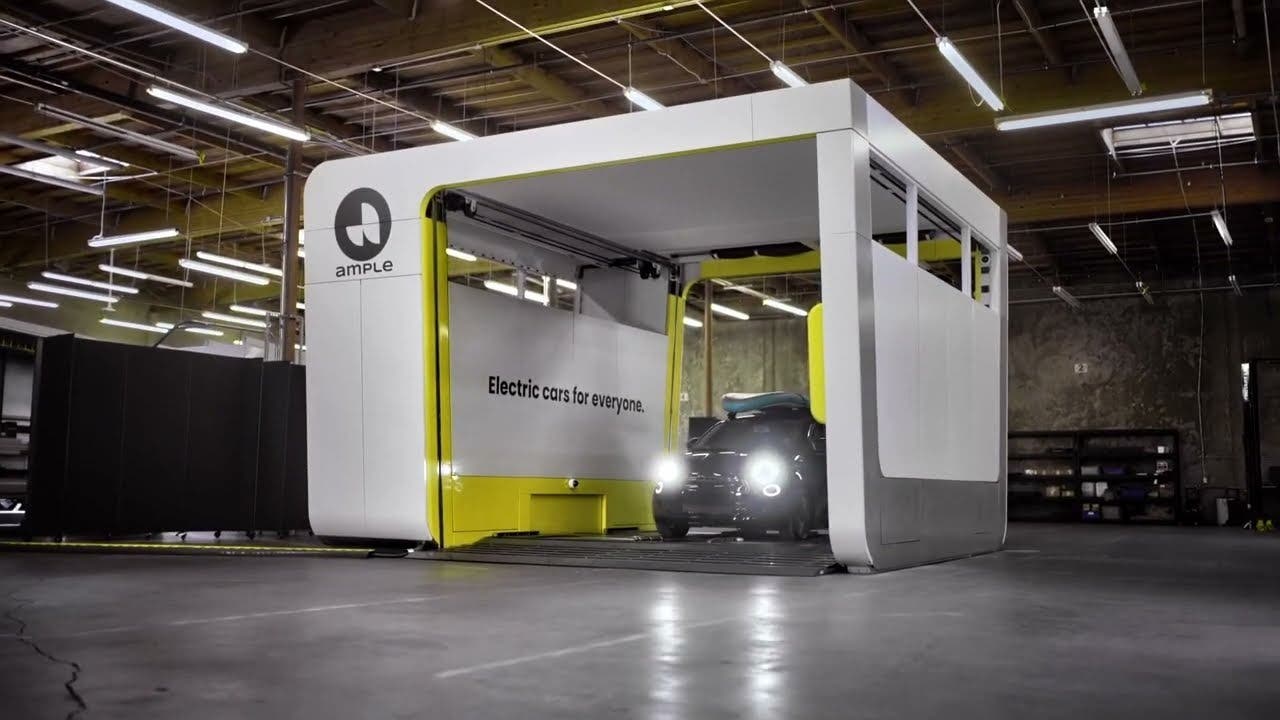
The idea behind the technology was simple in theory. Instead of waiting at a charging station, drivers could visit a dedicated facility and replace a depleted battery with a fully charged one in about five minutes. The system aimed to eliminate long charging times and reduce range anxiety, at least in areas covered by the service. In addition, the business model involved selling cars without batteries, which customers would then rent through a subscription.
Stellantis saw potential value in this solution for car sharing, with plans to integrate battery swapping into its Free2Move fleet using the Fiat 500e. However, the market moved in a different direction. The rapid expansion of high-power charging infrastructure made swapping increasingly unnecessary. Today, many electric vehicles can recover a large portion of their range in around 20 minutes, sharply reducing the appeal of an alternative system that remains expensive and logistically complex.
Customer response also fell short of expectations. Paying an extra subscription fee to access swappable batteries failed to gain traction, while concerns about receiving already worn battery packs further undermined confidence in the concept. All these factors slowed adoption and weakened the business case.
During its brief existence, Ample raised around $330 million in funding. Today, however, the company carries roughly $100 million in debt, with assets estimated between $10 million and $50 million. Ample is now seeking emergency financing of $6 million to cover unpaid wages before moving toward full liquidation.
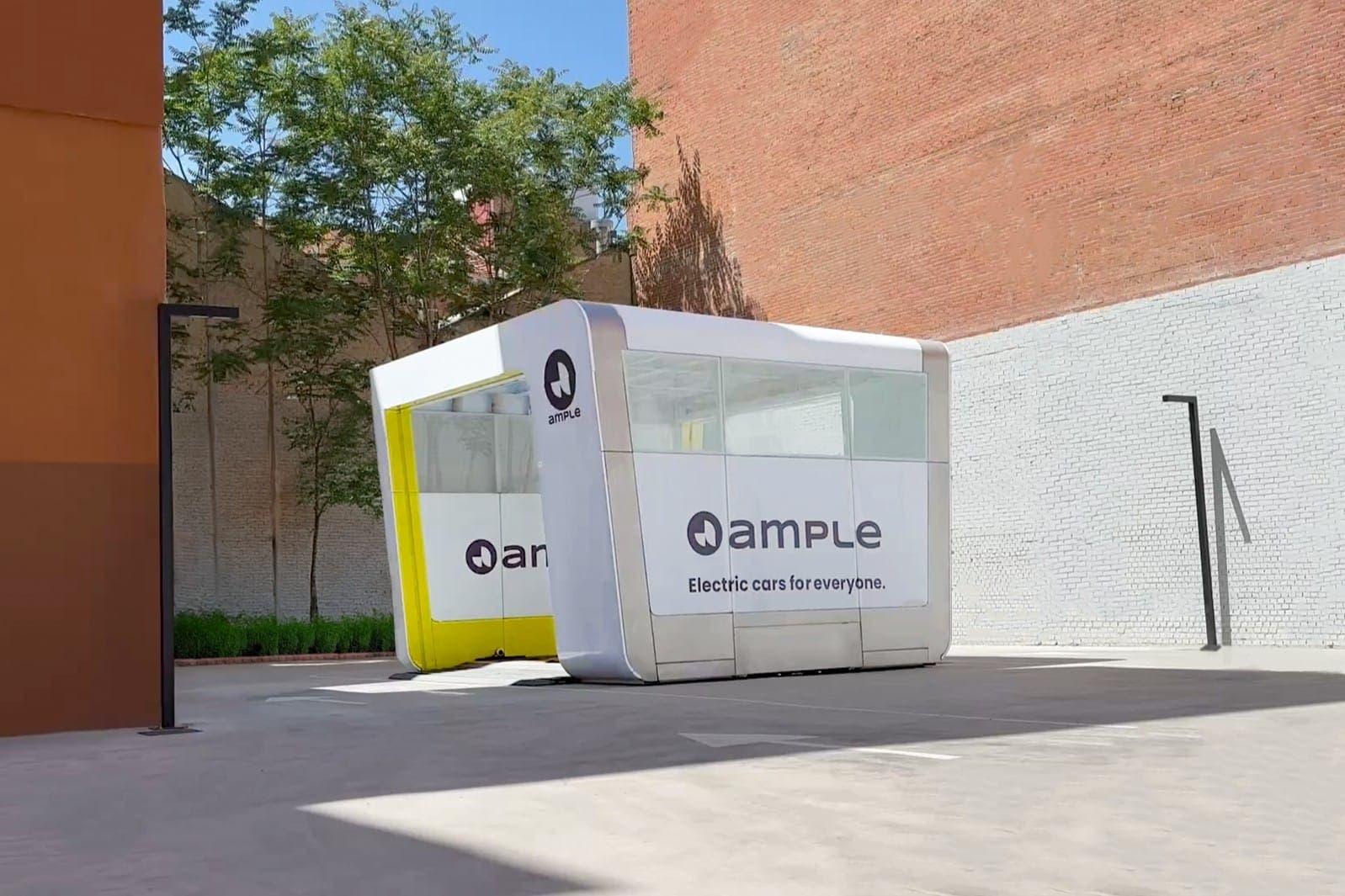
The bankruptcy was filed in the United States, but the impact also reaches Europe. Ample operated in Spain, where a station inaugurated just last September has already been dismantled. In the absence of official statements, the remaining European infrastructure will likely be shut down in the near future.