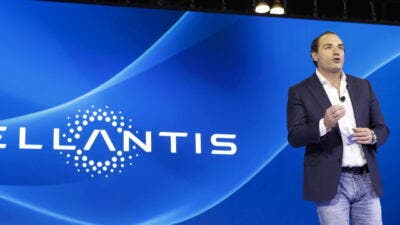
Three of the four production lines at the StarPlus Energy plant in Indiana, the joint venture between Samsung SDI and Stellantis, now focus on batteries for energy storage systems rather than electric vehicles. Samsung SDI CEO Choi Joo-sun confirmed that shift on March 18 during the company’s 56th annual general shareholders’ meeting in Seoul, where he explained that the conversion is already under way and that investments for a second plant are now on hold. When asked about a possible increase in Samsung SDI’s control over the joint venture, Choi said the company is reviewing several strategic options, but he did not provide further details.
Samsung SDI shifts its Stellantis JV toward energy storage
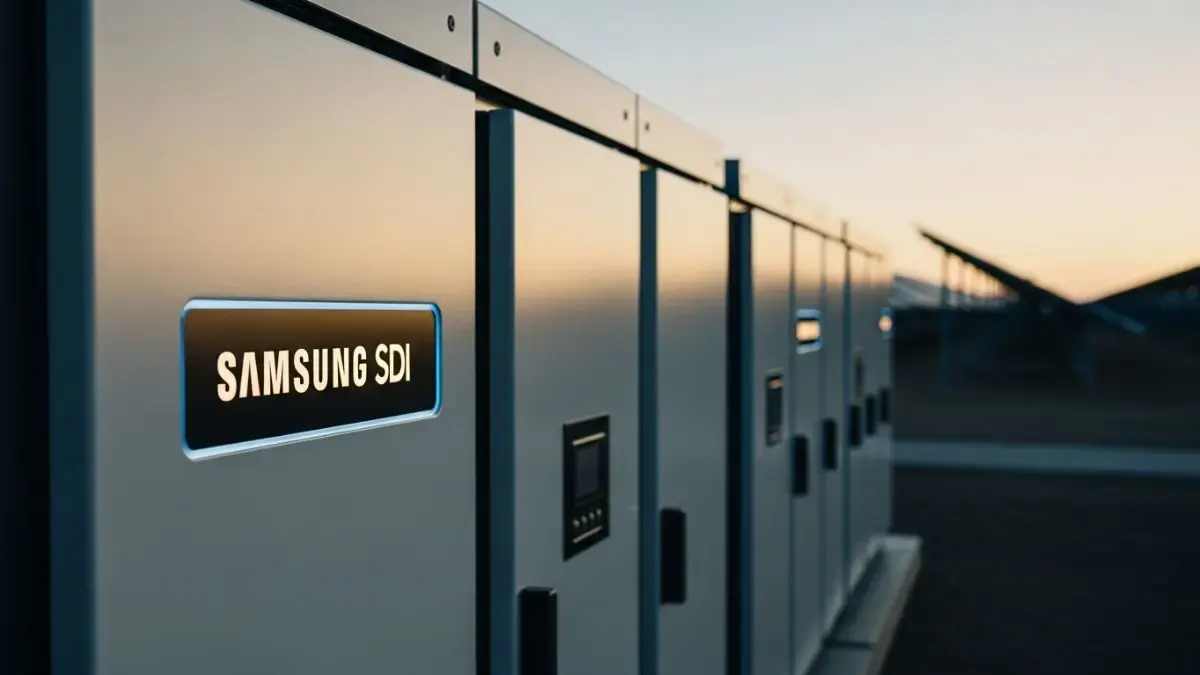
This move fits into a broader trend across the battery sector in North America. LG Energy Solution recently turned its Canadian joint venture with Stellantis, NextStar Energy, into a structure fully dedicated to ESS systems, moving away from its original automotive focus.
Major cell makers are adjusting their plans to match electric vehicle demand that has proved weaker than expected in the short term, while the energy storage market offers more stable growth prospects and large-scale orders. In December, Samsung SDI signed a 2 trillion won deal for the Samsung Battery Box 2.0, then followed it with new contracts in January and March, including a 1.5 trillion won order for prismatic cells intended specifically for storage systems. According to some analysts, Tesla may also rank among the recipients of those supplies.
To fund its expansion in the lithium iron phosphate battery segment, a technology gaining importance both in storage and in some automotive applications, Samsung SDI is also considering the possible sale of its 15.2 percent stake in Samsung Display. Choi confirmed that the option remains on the table, adding that the company has not yet defined the size or timing of any deal and that an independent directors’ committee would oversee any eventual transaction.
On the technology side, the company continues to work on fully solid-state batteries with an anode-free design. Samsung SDI expects to begin mass production in the second half of 2027, with applications aimed not only at high-end electric vehicles but also at sectors such as robotics and drones.
The company closed the latest financial year with revenue of 13.270 trillion won and an operating loss of 1.720 trillion won, but Samsung SDI aims to return to quarterly profitability by 2026 by relying on growth in its ESS business and the development of new generations of cells.