


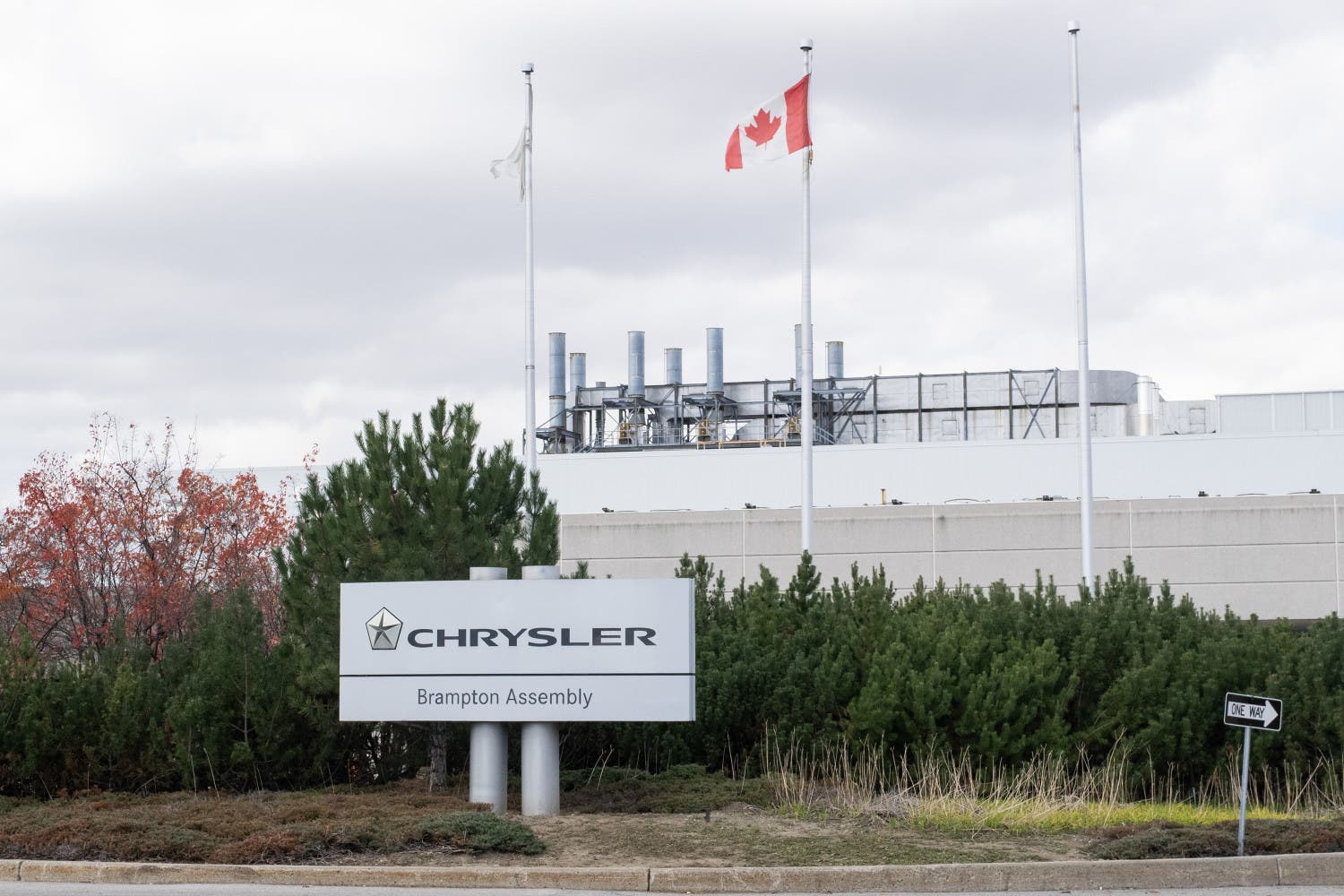
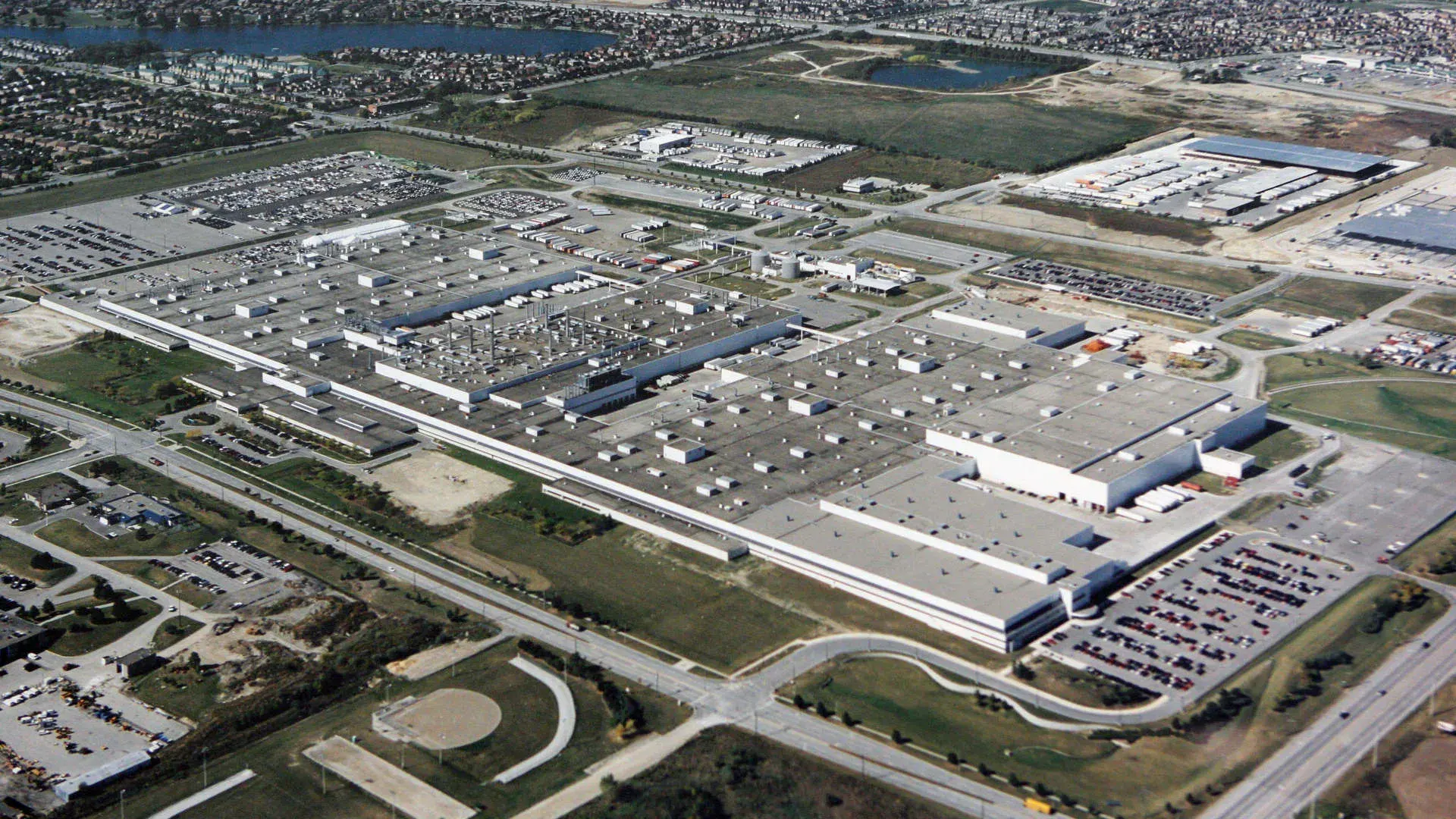
There’s a Stellantis plant in Brampton, Ontario, that’s collecting dust and silence, with thousands of workers idled and assembly lines frozen mid-sentence. Now, according to Bloomberg, that cavernous shell might be getting a second act.
Stellantis is exploring, alongside its Chinese partner Leapmotor, the possibility of assembling electric vehicles at the Brampton facility. On paper, it sounds like a straightforward industrial revival. In practice, it’s one of the most geopolitically tangled plays in the current EV landscape.
In January, Canada signed what’s already being called an important deal, with up to 49,000 Chinese-made electric vehicles entering the country at a 6.1% tariff rate under the most-favored-nation clause, instead of the 100% wall that had been the policy until recently. A sharp pivot. One that didn’t go unnoticed in Washington, where officials have already warned Ottawa, more than once, that if Canada becomes a convenient side entrance for Chinese vehicles heading to the American market, retaliatory tariffs will follow. Whether cars assembled in Brampton could legally cross the border remains, generously speaking, an open question.
On the domestic front, unions and parts suppliers have been equally unambiguous. No CKD kits, no glorified screwdriver operations of the kind Stellantis and Leapmotor are running in Brazil and Malaysia, where vehicles arrive nearly finished from China for a cosmetic final assembly. Canada wants real manufacturing, local labor, local components. Industry Minister Melanie Joly has confirmed the government’s seat at the table, but made clear that conditions apply.
Leapmotor, for its part, is showing up to this negotiation with momentum. March deliveries hit 50,029 units, up nearly 35% year-over-year. The brand crossed 600,000 cumulative deliveries in 2025, posted its first-ever annual profit, and is now targeting one million vehicles in 2026.
Brampton, then, is far more than a factory trying to restart its engines. It’s the exact coordinates where the global EV transition, the US-China trade war, and Canada’s increasingly uncomfortable position between two giants all converge at once.